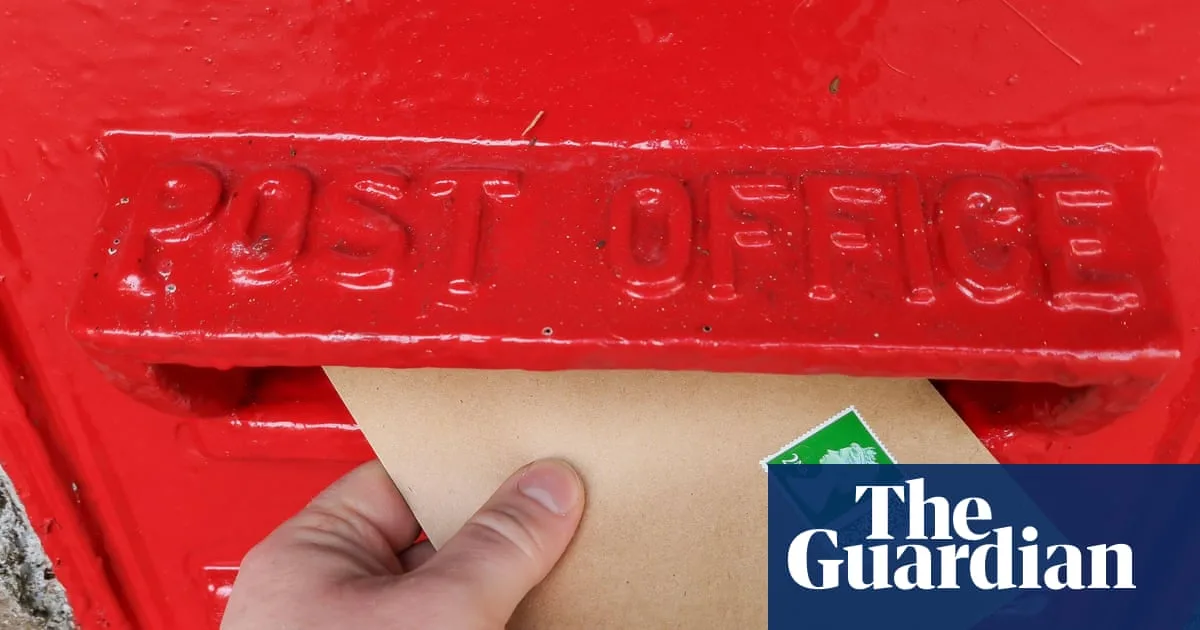
The Last Letter Project: What Britons Would Write in a Final Message
What Britons Would Write in a Final Letter

What would you write if you knew it was your final chance to communicate with the world? A new and deeply moving initiative in the United Kingdom is exploring that very question, uncovering the raw and intimate thoughts people would commit to paper as a last testament.

The Final Word: A Nation's Collective Goodbye

The project, which invites participants to contemplate and compose a 'very last letter', has revealed a powerful tapestry of human emotion. Far from being a morbid exercise, organisers describe it as a profound act of reflection that cuts to the core of what matters most in life. The responses, gathered anonymously, show a remarkable convergence on universal themes, transcending age and background.

Participants are asked to consider what they would want to say, and to whom, if they were facing the end. The results are not filled with grand statements or political manifestos, but with intensely personal communications. Love, gratitude, apology, and reassurance emerge as the dominant threads running through these imagined final words.

Love, Regret, and the Wish for Peace

A significant portion of the letters are addressed to family members—partners, children, parents, and siblings. Many writers express a simple, overwhelming desire for their loved ones to know they were cherished. "I love you" is the most common refrain, often followed by urgent pleas for the recipients not to grieve excessively or to let sadness overshadow their own lives.

Alongside expressions of love, a strong undercurrent of regret and apology is evident. People write to seek forgiveness for past arguments, for not being present enough, or for words left unsaid. There is a palpable yearning to leave relationships in a state of peace, to tidy the emotional loose ends. One contributor noted they would write to a former friend to mend a long-standing rift, stating that a final letter felt like the only place left for such honesty.

Another recurring theme is the offering of practical advice and life lessons. Parents write miniature guides to adulthood for their children, sharing hard-won wisdom about money, heartbreak, and resilience. The letters become vessels for the legacy of experience, a last attempt to guide and protect.

Beyond the Personal: Messages to Society and the Self

While most letters are directed at individuals, a notable number are addressed to wider society or even to the writers' future selves. Some participants compose stark warnings about climate change or political division, framing their final message as a plea for collective action. Others write gentle reminders to the world to be kinder, to slow down, and to appreciate simple pleasures.

A fascinating subset of letters is written to the authors themselves. These messages often serve as a final reckoning or affirmation, a summation of a life lived. They contain expressions of self-forgiveness, acknowledgments of personal struggles, and sometimes, a quiet congratulation for having tried one's best.

The project organisers emphasise that the exercise is not about death, but about clarity. The act of writing a last letter forces a confrontation with one's true priorities, stripping away the trivialities of daily life. It asks a fundamental question: What is so important that it must absolutely be said?

The response from across Britain suggests that, when pressed, our core messages are surprisingly similar. We wish to affirm our connections, to heal old wounds, and to leave behind a whisper of love and guidance. In an age of digital ephemera, the imagined permanence of a final, handwritten letter holds a unique and sobering power, revealing the enduring human need for a meaningful and deliberate farewell.