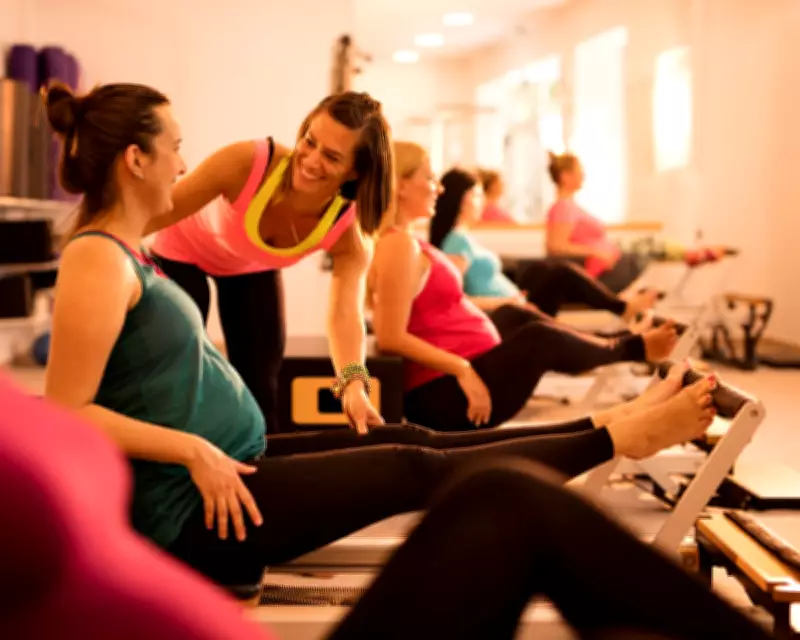
Reformer Pilates: The Fitness Phenomenon Sweeping the UK
In neighbourhoods across London and beyond, a new type of studio is emerging amidst the familiar landscape of nail salons and fast-food outlets. Sleek, opaque-fronted premises dedicated to reformer pilates are popping up everywhere, attracting clusters of devotees, often clad in pink athleisure and carrying oversized Stanley tumblers. This fitness trend, popularised on platforms like TikTok with hashtags such as #pilatesprincess, has become one of the fastest-growing yet most divisive workouts globally.
The Boom in Reformer Pilates Studios
Despite criticisms linking it to narrow ideals of womanhood, reformer pilates shows no signs of slowing down. According to fitness booking app ClassPass, pilates has held the top slot worldwide for three consecutive years, with bookings in 2025 surging by 66% year on year. The UK pilates and yoga market is now valued at £1.1 billion, driven in part by celebrity endorsements from figures like Margot Robbie, Dua Lipa, and Bella Hadid. Reformer pilates, which utilises specialised studio equipment, leads this growth. Data from business insurance provider Protectivity reveals that applications from reformer pilates instructors skyrocketed by 948% between 2024 and 2025, marking the biggest rise across all startup categories.
Kate Manfredi, a former fashion buyer who opened a reformer pilates studio in Nottingham in November, shares her journey. "I discovered mat pilates in my local village hall eight years ago," she says. "It was only when I tried reformer pilates in 2023 that I got truly hooked." Manfredi acknowledges the intimidating appearance of reformer studios, filled with beds featuring straps, pulleys, and bars, but emphasises her goal to create a welcoming space. "I have 100 members, and only three are men. The appeal for women is seeing great results without exercising alongside gym bros," she explains.

Historical Roots and Health Claims
The origins of pilates trace back to Joseph Pilates, a German circus performer and boxer living in the UK during World War I. Interned as an "enemy alien" on the Isle of Man in 1915, he invented "contrology," a system of repetitive movements designed to keep people fit in confined spaces. He created various contraptions, including the reformer machine, allegedly by attaching springs to hospital beds. Pilates claimed his method could transform bodies in as few as 30 sessions, a promise that fuels modern social media challenges.
Megan Macgregor, a studio owner and qualified physiotherapist in Renfrew, Scotland, recalls her first experience in 2000. "As soon as I left the first session, I felt taller. I didn't look different, but I felt different," she says. Macgregor, now on the board of the Pilates Teacher Association (PTA), highlights the method's focus on control and precision, warning against under-qualified instruction. "Many people end up with sore necks or back injuries if not taught properly," she cautions.
Rehabilitation and Real Benefits
Beyond the hype, reformer pilates has proven effective for rehabilitation. Angelina Nizzardi, a health coach from Bedfordshire, turned to it after a severe climbing accident in 2020 left her with multiple leg fractures. "I was told I might not walk normally again, but reformer pilates helped rebuild my strength without weight-bearing exercise," she shares. A 2017 systematic review of 23 studies found pilates beneficial in 19 cases, supporting its role as a rehabilitation tool.
Carolina Are, an academic and professional pole dancer in Hackney, London, uses pilates for injury prevention. "It changed my posture and reduced lower-back pain," she notes. However, Are, who researches social media at the London School of Economics, criticises the online representation. "Algorithms often promote a thin, white ideal, overshadowing diverse practitioners," she explains.

Social Media and Cultural Impact
The aesthetic associated with pilates has sparked controversy, including body-shaming comments in media like Love Is Blind and TikTok videos praising "pilates girls" as "wifey material." Rosey Davidson, a sleep consultant and influencer, blames social media for unrealistic expectations. "Influencers promote myths, like reformer pilates elongating limbs, which isn't biologically accurate," she says.
Professor Stuart Gray of the University of Glasgow offers a balanced perspective. "Reformer pilates can help build muscle and lose fat, but it's not unique. The best exercise is one you stick with," he advises. Meanwhile, the trend evolves, with some studios opting for instructor-less setups where participants follow video modules, raising questions about quality and safety.
As reformer pilates continues to captivate millions, the debate between its transformative potential and social media-driven fad status remains unresolved, highlighting the need for informed practice and inclusive representation.