
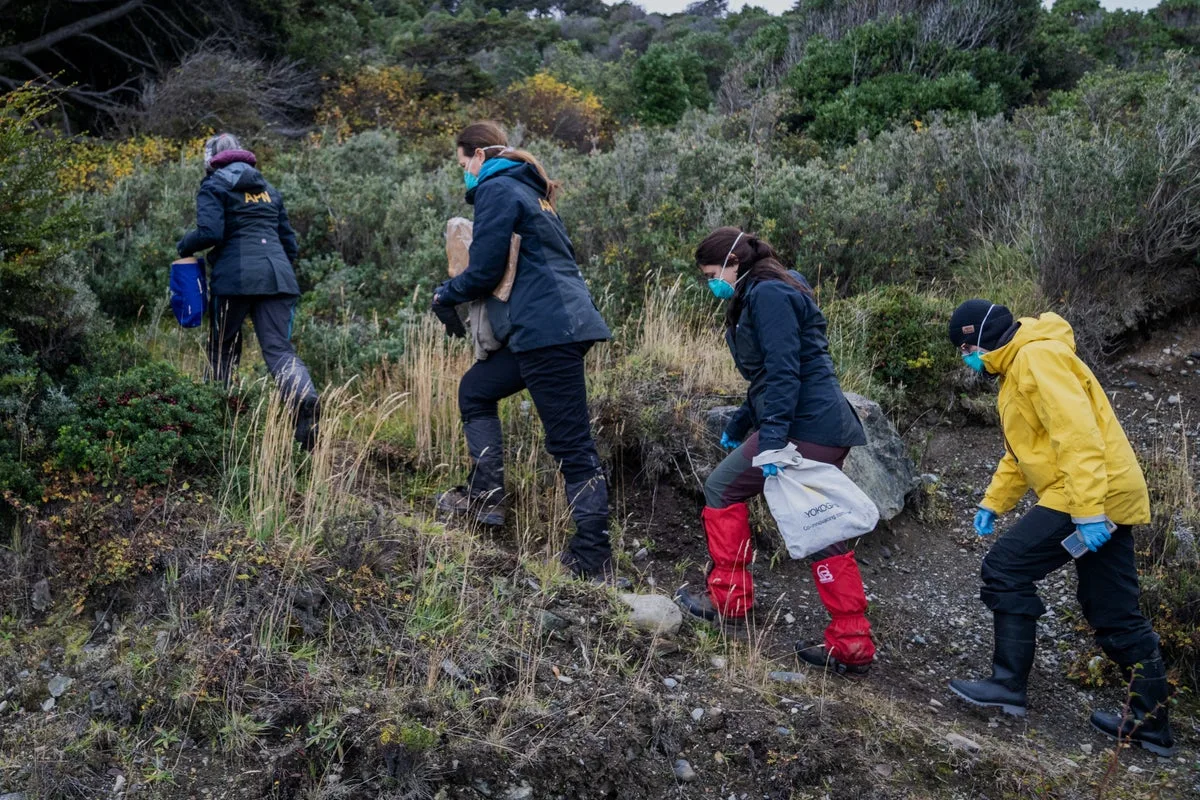
Argentine scientists have begun trapping rodents in forests near Ushuaia, the southernmost city in the country, as part of an investigation into the source of a deadly hantavirus outbreak. The fieldwork aims to detect the virus in an area previously believed to be unaffected.
Researchers, wearing blue gloves and surgical masks, checked 150 box traps set overnight. Dead rats were placed in black plastic bags and transported to a makeshift laboratory for blood sampling. The operation, which started on Tuesday, is the first phase of Argentina's broader inquiry into the contagion's origin.
The outbreak struck the cruise ship MV Hondius last month, resulting in three deaths and several other illnesses, prompting a global effort to trace passengers and their contacts. The state-backed Malbrán Institute, Argentina's leading infectious disease research centre, will repeat the trapping routine for three days before returning samples to its Buenos Aires laboratory for testing, which could take up to one month.
Local health officials have rejected the national government's initial hypothesis that the infection chain began when a Dutch couple visited a landfill in Ushuaia. The couple, both of whom have since died, had been bird-watching and trekking in the area before boarding the ship on 1 April. The hantavirus has never been recorded in Ushuaia or the wider Tierra del Fuego archipelago.
The investigation is also examining whether the long-tailed pygmy rice rat, known as “colilargo,” which carries the Andes virus in northern Patagonia, has a subspecies in Ushuaia that could transmit the virus. Scientists are trapping rats in the national park and wooded hillsides overlooking the main pebble beach. “The province has never done this kind of testing before,” said Martín Alfaro, spokesperson for the local health ministry. “It's important that we rule out the possibility of transmission occurring here.”




