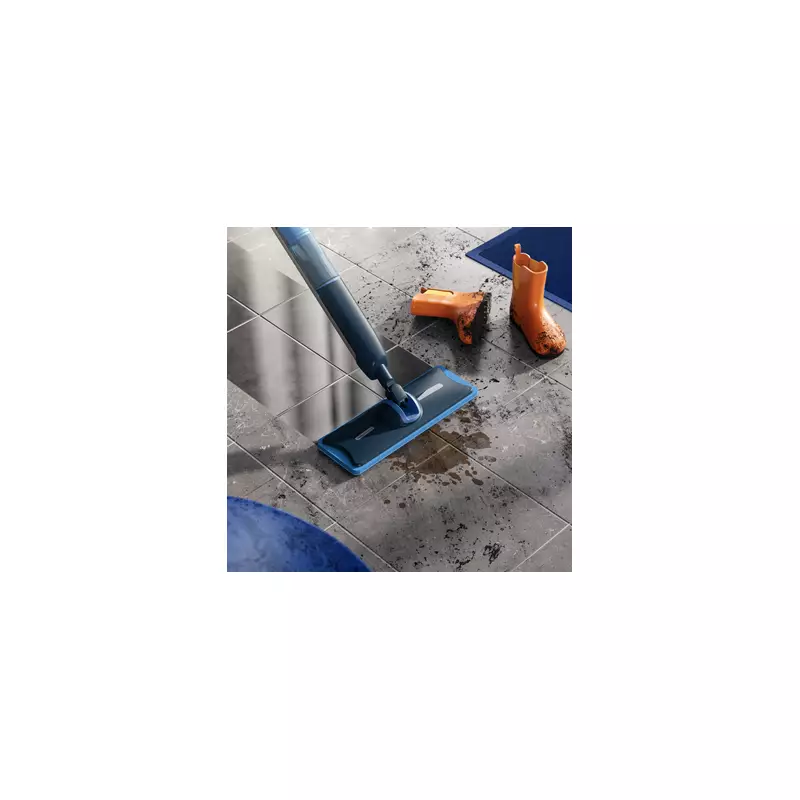
A prominent psychologist has offered crucial guidance to mothers grappling with 'clean envy', a phenomenon fuelled by the relentless stream of pristine homes on social media platforms.
This advice follows new research that uncovers the significant toll constant comparison is taking on women's mental wellbeing across the United Kingdom.
The Pressure of Perfection Online
The nationwide study, commissioned by Philips, delivered striking statistics. It found that 71 percent of British women experience pressure when they encounter immaculately presented homes online. Nearly a third, 31%, report that these unrealistic standards leave them feeling "stressed" or "anxious".

Perhaps most tellingly, the research revealed that a quarter (24%) of women actively avoid inviting friends into their homes because they fear their living spaces are not tidy enough. This highlights a profound social impact stemming from digital trends.
Experts point to the pervasive "clean girl aesthetic" on TikTok and Instagram, which has normalised colour-coordinated storage, flawless surfaces, and constant tidying. This curated content often bears little resemblance to the reality of busy family life, yet it sets a powerful and damaging benchmark.
Expert Advice to Ease the Burden
Dr Eleanor Bryant, Associate Professor of Psychology at the University of Bradford, identifies the rise in clean envy as a growing issue for mothers. She explains that "cleanfluencer" content has transformed tidying into a performance, with envy as a natural consequence.
"Instead of comparing our homes to real life, we are matching ourselves against perfectly staged spaces online," Dr Bryant states. "That can easily make women feel they are falling short and it raises stress levels."
Her singular, powerful tip for alleviating this pressure is straightforward: curate your feed. She advises reducing consumption of polished home content and following creators who showcase authentic, lived-in spaces instead.
"Seeing homes that look like yours helps cut down comparison, lowers anxiety and gives you a healthier sense of what tidy actually needs to be," she concludes.
The Most Dreaded Household Chore
With so many women feeling this heightened pressure to maintain perfect homes, the study also investigated which tasks they find most frustrating. The results showed that one in five (20%) women cite mopping as the chore they dread the most.
Common complaints include streaky floors, the hassle of heavy buckets of water, and difficult-to-reach corners. In response to these findings, Philips has launched its new OneUp electric mop, designed to address these specific pain points.
The device keeps clean and dirty water separate, promising a shine in half the time of manual mopping while using 90 percent less water. The cordless 3000 Series offers a 50-minute runtime, while the premium 5000 Series provides up to 70 minutes of power.
Lisa Stranieri Zafferani, a floor-care expert at Philips, commented: "Social media has created unrealistic expectations - so we designed the new Philips OneUp mop to make cleaning quicker, easier and more satisfying."
The Philips OneUp 5000 series mop is available at Argos for £150.00, and the 3000 series is priced at £100. The research and expert insight collectively underscore a modern social pressure, offering both a psychological and practical path towards a more relaxed relationship with our homes.