
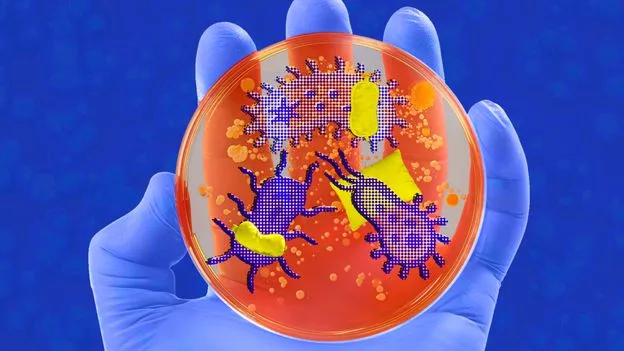
Emerging research indicates that the communities of bacteria, viruses and fungi living in our bodies may influence how well we sleep, offering potential new treatments for sleep disorders. Scientists are exploring whether manipulating the microbiome could help tackle conditions like insomnia and sleep apnoea, moving beyond traditional sleeping pills.
Studies presented at sleep science conferences have found that teenagers and young adults with greater microbial diversity in their mouths tended to have longer sleep duration. Similarly, people with medically diagnosed insomnia show lower bacterial diversity in their guts compared to normal sleepers, a factor linked to poorer immune function and metabolic health.
Research by UK health-tech company Zoe analysed data from individuals with social jetlag—where sleep patterns vary between workdays and weekends—and found they had significantly different gut microbiomes. While diet plays a role, it only partially explains the changes, suggesting direct microbial influences on sleep.
Scientists point to specific bacteria like Firmicutes, which may affect sleep through the production of neurotransmitters such as serotonin, dopamine and GABA. These molecules, along with microbes' role in metabolising tryptophan—a precursor to the sleep hormone melatonin—could directly impact sleep quality and circadian rhythms.
Professor Jennifer Martin of UCLA notes that while sleep disruption has long been thought to harm the microbiome, evidence now suggests a bidirectional relationship. Kenneth Wright of the University of Colorado adds that circadian disruption from shift work or late eating can cause gastrointestinal issues, with a disturbed microbiome potentially playing a part.




