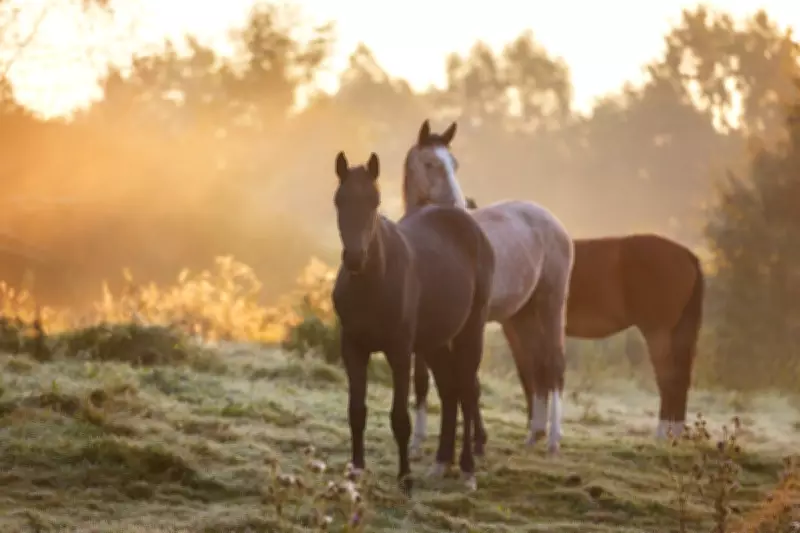
As a wellbeing editor, Emilie Lavinia believed she had mastered mindfulness, but a weekend with therapy horses offered a surprising and profound lesson in taking life less seriously. This experience, set against the backdrop of the Year of the Horse, revealed unexpected insights into living in the moment and breaking free from the pressures of productivity.
A Weekend Retreat with Operation Centaur
Last year, Emilie participated in an equine therapy retreat organised by Operation Centaur, based in the serene surroundings of Richmond Park. The journey began at Bhuti, the wellness centre within the boutique Bingham River House hotel, where she joined a group of strangers for an introductory session. Each participant selected a photograph of a horse that held personal significance, sparking conversations about past experiences with horses, current life demands, and hopes for the retreat.
Emilie reflected on her childhood with horses, recalling the exhilaration of galloping down country lanes and the peaceful sleep that followed days spent caring for them. She had abandoned riding as a teenager, a decision she later regretted, making this retreat a poignant return to her roots.

The Science and History Behind Equine Therapy
Equine assisted psychotherapy has ancient origins, dating back to Hippocrates in Ancient Greece, who recommended horse riding for therapeutic benefits. Today, evidence from the USA, South Africa, Europe, and Australasia supports its positive effects on sleep, cognition, physical recovery, and social skills. Dr Puffin O’Hanlon, a clinical psychologist and retreat leader, explains that horses help individuals tune into their senses, connecting with the body's innate wisdom beyond language.
"Horses invite us to step out of our externally-focused, forward-looking, progress-seeking predator mode and to start to look more fully around us and within us in the here and now," says Dr O’Hanlon. They react to subtle movements and emotions, offering a unique form of communication that bypasses words, making them effective partners in mental health therapy.
An Unanticipated Lesson in Letting Go
Contrary to expectations, the retreat involved no riding; instead, participants spent time observing horses and engaging in forest bathing and silent nature walks. Emilie anticipated a magical connection with a horse, but her chosen golden-toned companion responded by urinating on the ground, prompting laughter rather than frustration.
This moment became a turning point. She realised the horse was unconcerned with her issues or forced connections, embodying a carefree attitude. Watching the same horse roll joyfully on the ground later, she felt her tension ease, embracing a lighter, more comfortable state of mind. The horses' ability to live in the present, without expectations, inspired her to adopt a similar approach.
Reflections on Productivity and Mindfulness
That evening at Bingham Riverhouse, Emilie found herself sitting quietly without the urge to check her phone or catch up on work—a rare occurrence for someone accustomed to optimising every moment. Dr O’Hanlon's insights at dinner highlighted how over-reliance on the rational brain can hinder natural impulses and sensory awareness.
"Horses bring our limbic brains online, activating threat and attachment systems simultaneously," Dr O’Hanlon notes. They mirror inner worlds and relationship patterns, reacting to emotions without the distractions of language, offering a raw and honest form of therapy.
Emilie recognised her tendency to overthink and plan constantly, rarely allowing herself to simply be. While familiar with mindfulness practices like Yoga Nidra and nature walks, the horses demonstrated how to embody this mindset effortlessly. Their unbothered nature encouraged her to lighten up, forget productivity, and go with the flow, significantly easing her stress levels.
Embracing a New Perspective
The equine therapy experience taught Emilie that humans, despite their self-importance, may have lost the joy of simply being. By spending time with horses, she learned to take herself less seriously, fostering a more mindful and stress-free approach to life. This retreat not only provided personal growth but also underscored the therapeutic potential of connecting with animals in natural settings.

The next Project Centaur retreat at Bhuti, Bingham River House is scheduled for spring 2026, offering others the chance to explore similar transformative experiences.