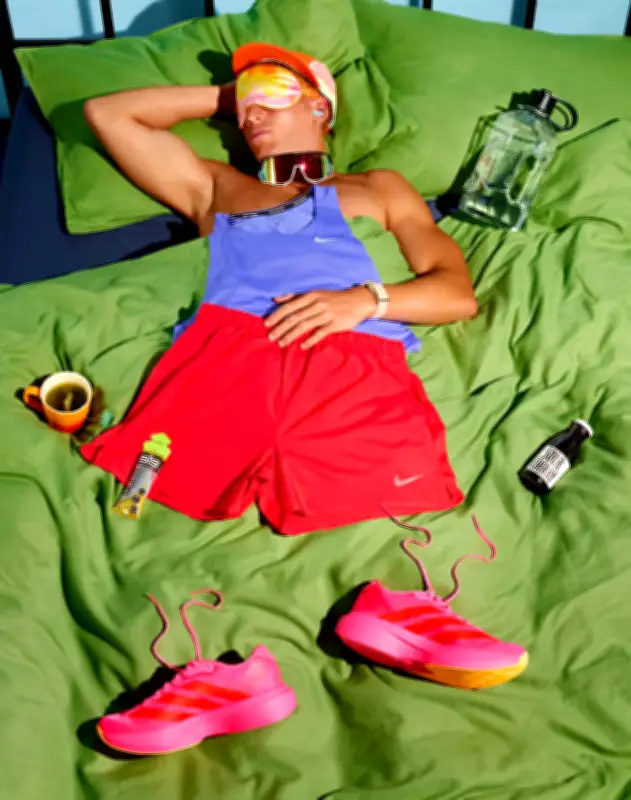
Top athletes from various sports have shared their personal sleep strategies, revealing how they optimize rest for peak performance. From kiwi fruits to WWII history videos, their methods are as diverse as their disciplines.
Katarina Johnson-Thompson: The Heptathlete's Kiwi Trend
Team GB heptathlete Katarina Johnson-Thompson, a two-time world champion and Olympic silver medallist, relies on a fresh head for fine-tuning technical details across seven events. She goes to bed at 10pm and wakes around 7am, but avoids tracking sleep after becoming obsessed with a Whoop band. Her pre-bed ritual includes a kiwi fruit trend she saw online, believed to contain vitamins and antioxidants that improve sleep quality. She uses a satin blue sleep mask from Smug and a weighted blanket to prevent tossing and turning. When travelling, she opens curtains immediately upon arrival to adjust to daylight, noting that the Olympic village is one of the toughest places to sleep due to paper walls and cardboard beds. Before competitions, she banks sleep with 10-11 hours nightly and naps. Her top tip from psychiatrist Steve Peters: settle the worrying voice by scheduling worry time for the next morning.
Adam Peaty: WWII History for Plane Sleep
Olympic gold medalist and world record holder Adam Peaty, 31, prioritizes sleep quality over hours. He goes to bed at 8.30pm and wakes at 6am, wearing a Whoop device to track sleep cycles. His sports science team monitors blood biomarkers including testosterone, melatonin, and magnesium. He eats three hours before bed to avoid processing food while sleeping and keeps a two-litre water bottle nearby. He uses an eye mask and Loop earplugs in London to protect his REM sleep. On planes, he plays six hours of second world war history facts on YouTube to nod off. For competitions, the team takes their own pillows and mattress covers. He emphasizes consistency over perfection, noting he has done incredible sets on four hours' sleep.
Ezri Konsa: Consistency and Adrenaline Management
England defender Ezri Konsa, 28, aims for seven to eight hours of sleep nightly. He uses a Whoop but no special gadgets. When travelling, he stays in hotels before every game and avoids thinking about home time to adjust to jet lag. Late kick-offs are challenging because adrenaline keeps the body wired. His top tip: consistency in bedtime. Preparation throughout the week helps him relax before big matches.
Emily Campbell: The Weightlifter's Mattress Investment
Olympic silver medallist weightlifter Emily Campbell, 32, is in bed by 9.30pm and sleeps until 8am. She fills out a daily questionnaire for her coach on alertness and stress. She drinks peppermint and honey tea before bed and takes vitamins D, glucosamine, and creatine. She invested in a firm mattress with a cooling layer. She avoids going to bed hungry, as proper fuel improves training and sleep.
Henry Pollock: Mint Tea and Phone-Free Wind-Down
Northampton Saints and England rugby player Henry Pollock, 21, goes to bed at 10.30pm and wakes at 7am. He tracks sleep on his Apple Watch. He avoids eating too close to bed and has a protein shake or yoghurt with fruit. He wears earbuds for quiet and an eye mask when away. He winds down by talking with his teammate and picking mint leaves from his herb garden for tea. He turns off his phone half an hour before bed and reads a book.
Amy Jones: Earplugs for Noisy Hotels
Cricketer Amy Jones, one of the most capped players, often finishes matches with aching legs and adrenaline. T20 matches can end late, disrupting routine. Some teammates use sour cherry juice or gel for sleep. She uses the Calm app after late games. In hotels, earplugs are essential due to noise from other guests. She avoids caffeine after 3pm.
Harriet Dart: Baths and Epsom Salts
British tennis player Harriet Dart, 29, goes to bed between 9.30pm and 10pm. She doesn't track sleep but her coach asks how she slept. She drinks mint tea and wears a silk eye mask. She takes baths with epsom salts to de-stress. For jet lag, she trains early and takes 20-minute naps. She wears compression socks to reduce swelling on planes. She tries to compartmentalize stress before competitions, noting some of her best results came with little sleep.
Tom Dean: The 600-Calorie Pre-Bed Snack
Triple Olympic gold medallist swimmer Tom Dean, who trains four hours in the pool and two in the gym daily, has lights out before 10pm and wakes at 6.30am. He tracks sleep with a Polar Loop monitor. He eats a 600-calorie pre-bed meal of full-fat Greek yoghurt with fruit, granola, peanut butter, nuts, and seeds, sometimes adding sour cherry juice. He avoids spending time in his bedroom except for sleep and keeps the room cold. When travelling, he avoids naps for the first three days and uses caffeine in the morning. Before competitions, he sticks to routines like packing his bag and watching The Office. He avoids alcohol and processed foods.
Alex Yee: Audiobooks and Calmness Around Sleep
Triathlete Alex Yee, 28, goes to bed at 11pm and aims for seven and a half hours. He wears a Coros watch and does daily monitoring during competitions. He takes cherry juice for antioxidants and collagen for bone health. He listens to podcasts or audiobooks to fall asleep, a habit from childhood. He avoids fluids 90 minutes before bed. Before races, he maintains calmness around sleep, understanding that two days before a race it won't have much impact. He adapted to early wake-ups at the Paris Olympics due to water pollution concerns, emphasizing response over perfection.