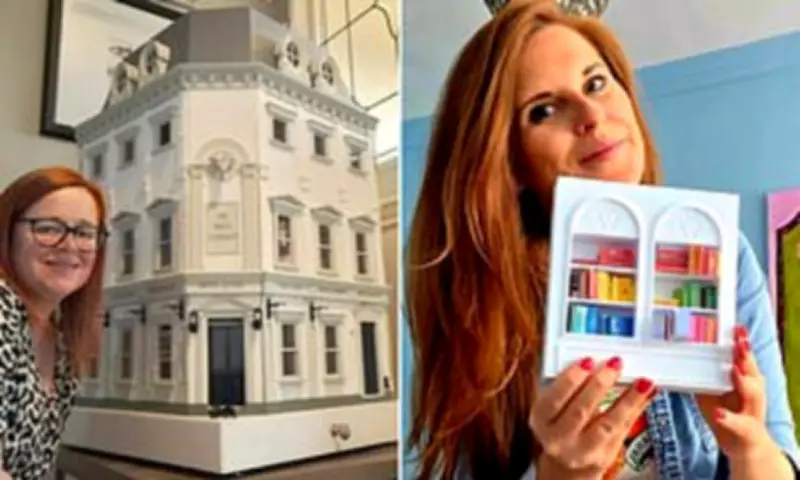
They might sound like a long-forgotten toy from your childhood, but dollhouses are experiencing a revival — except this time around, they're not just for children. A quick scroll on social media reveals numerous midlife, middle-class adults tending to their make-believe houses with the level of care and attention one would pay to their actual abode, fixing lights, painting trinkets, and purchasing crockery.
London Dollshouse Showcase Draws Crowds
An event page bringing the community together, the London Dollshouse Showcase, boasts 31,000 Instagram followers. Given the huge interest, it is hosting two dollhouse shows in the British capital in May. 'We have artists from all corners of the world attending our London shows,' the website reads, continuing: 'These craftsmen specialise in all aspects of miniatures from a grand, fully decorated mansion to a humble clothes peg and everything in between.'
Pandemic Sparked the Trend
According to Country Life, the resurgence initially began during the pandemic, a time when interest in arts and crafts rose as people searched for an escape from daunting reality. But unlike many fads that died as restrictions lifted, dollhouses appear to have stuck. According to hypnotherapist, psychologist, and founder of Thought Reader, Phil Macleod, it's unsurprising.

Speaking to the Daily Mail, Macleod said: 'On the face of it, adults becoming interested in doll's houses again might seem unusual, but psychologically it makes a lot of sense. In a world that is all about digital it is a refreshing escape — offering a tactile, calm, creative and controlled outlet.'
Therapeutic Benefits for Adults
'There's a strong therapeutic element to doll's houses too because they encourage focused attention and mindfulness — helping shift the brain away from anxiety loops and into a calmer state. It's very similar to the benefits people often get from crafts, gardening, or model-making — it definitely helps slow the central nervous system down. It allows you to think about issues from a different, calmer perspective,' Macleod added.
In her article Crafting Small, Thinking Big, Dalia Iskander, Associate Professor of Medical Anthropology at University College London, explored similar themes of how dollhouses and miniature collectables can help individuals process tough times.
Macleod continued: 'For many adults, there's also nostalgia where they let their imagination come into force. Nostalgia itself is psychologically protective and powerful, as it can reduce stress and create emotional comfort during difficult periods of life. In other cases, it can help heal trauma by helping the brain process emotions. The houses could also represent symbolic places and in some cases represent homes that are peaceful and organised.'
Dedication and Cost
But it's by no means a quick and easy feat. Hayley from Northamptonshire spent almost two years on a single room in one of her miniature homes. She wrote on Instagram: 'I started researching this room nearly two years ago, three visits, and a few hundred hours of work later, it's finally finished. I am so pleased with the way it has turned out.' Her hard work paid off: her doll's house looks almost identical to a Georgian home, complete with portraits, turquoise wallpaper, upholstered furniture, and a fireplace.
Others go for lavish homes with a more modern look. With the current cost-of-living crisis, it's the perfect way to enjoy a home unaffordable to most in society. A London-based TikTok account, @littleforestanimals, adopted the style of a New York townhouse for its miniature home.
The hobby is by no means cheap, with miniature furnishings often costing £50 for sofas and other main pieces on Etsy, not to mention the houses themselves, which can cost hundreds. Lianne Kilroy, who is currently renovating her 1930s home in Macclesfield and a dollhouse replica of it, sells miniature furniture on Etsy, where her items range from £1.19 to £44.99 — and with over 7,000 sales, it's been a success.

Psychological Insights
The psychologist continued: 'Activities that help slow the mind down are highly beneficial because with so much digital noise today, the brain simply isn't designed to be permanently switched on. Overall, hobbies like dollhouses in adulthood have an overall theme that they can actually reflect emotional intelligence and self-awareness.'
'In hypnotherapy, it makes complete sense. Calm, focused activities like this help quiet mental overload and give the nervous system a chance to slow down and rebalance. In childhood or adulthood, play and creativity are fundamental to one's mind. This helps the brain become more flexible and improves its ability to work through our daily problems in all shapes and sizes. It also helps us broaden our thinking. These are critical at any age. This also engages reward pathways in the brain, providing satisfaction, motivation, a sense of completion, and joy.'
'This is often referred to in neuroscience as cognitive stimulation, which is associated with helping the brain stay active and adaptable for longer. For older adults, especially those at risk of or living with early cognitive decline, this can be especially beneficial.'
So if you are a miniaturist or other hobbyist, enjoy your bank holiday with the people and things you love. Be proud of what you do and how you do it.