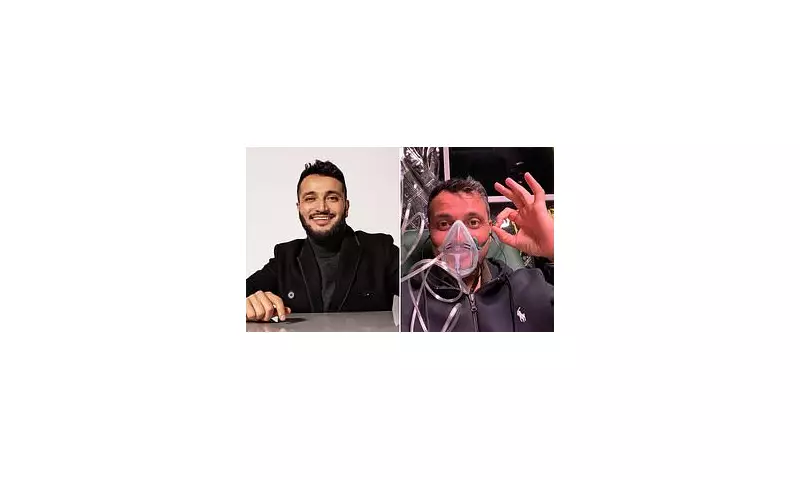
A doctor who says he has reversed his biological age by 17 years has outlined the vital lifestyle changes people should make in their 30s and 40s to dramatically extend their healthspan.
Dr Mohammed Enayat, 41, founder of the HUM2N longevity clinic in South Kensington, asserts that these decades are the 'make-or-break' period for determining how well we age and for staving off chronic diseases later in life.
The Foundation for Longevity: Why Your 40s Are Crucial
Dr Enayat, who claims to have the biological metrics of a 24-year-old, warns that seemingly minor indulgences—like a weekly cigarette, a regular pint, or weekend junk food—become significant liabilities as we mature. 'Once you pass 40, the risk of several chronic health conditions gradually increases,' he told the Daily Mail. 'This decade is essentially the "make-or-break" period that determines how well you’ll age.'

He emphasises that the wear and tear accumulated in midlife sets the stage for health in later decades. 'The reason prevention becomes so crucial at this age is that most diseases that cause problems in our 60s and 70s begin quietly in our 30s and 40s,' he explained.
Actionable Steps for a Healthier, Longer Life
Dr Enayat's blueprint for longevity hinges on proactive, consistent habits rather than extreme measures. The first step is comprehensive self-knowledge through regular health checks.
Key preventative measures include:
- Regular monitoring of blood pressure, cholesterol, and blood sugar levels.
- Keeping track of weight and waist circumference.
- Attending all recommended screening tests, such as mammograms, cervical smears, bowel cancer screenings, and prostate checks.
He also stresses that mental health requires vigilant care, especially with mounting career and family pressures.
The Pillars of Daily Routine: Diet, Movement, and Sleep
For daily habits, Dr Enayat advocates a three-pronged approach focused on nutrition, physical activity, and recovery.
He strongly recommends a Mediterranean-style diet, rich in vegetables, whole grains, olive oil, and fish. 'This approach naturally lowers inflammation, stabilises blood sugar, improves cholesterol and supports gut health,' he said. He advises limiting red meat, sugary snacks, and highly processed foods to occasional treats.
For exercise, a combination is key:
- Cardiovascular activity (brisk walking, cycling, swimming) for heart and lung health.
- Strength training two to three times weekly to preserve muscle mass and bone density.
- Mobility and balance work like yoga or Pilates to maintain flexibility.
For desk-bound workers, he suggests seamlessly integrating movement: 'Walking part of the commute, taking the stairs, or parking further away can add thousands of steps weekly with minimal effort.' Using a standing desk and taking 'micro-workout' breaks are also beneficial.
Prioritising sleep is non-negotiable. 'Poor sleep disrupts immunity, weight regulation, mood and cardiovascular health,' Dr Enayat cautioned. Equally, managing chronic stress through mindfulness or community is vital as it 'accelerates biological ageing.'
By adopting these habits, Dr Enayat believes individuals can 'dramatically lower the risk of premature heart disease, stroke and cancer' and build a robust foundation for long-term health and resilience.