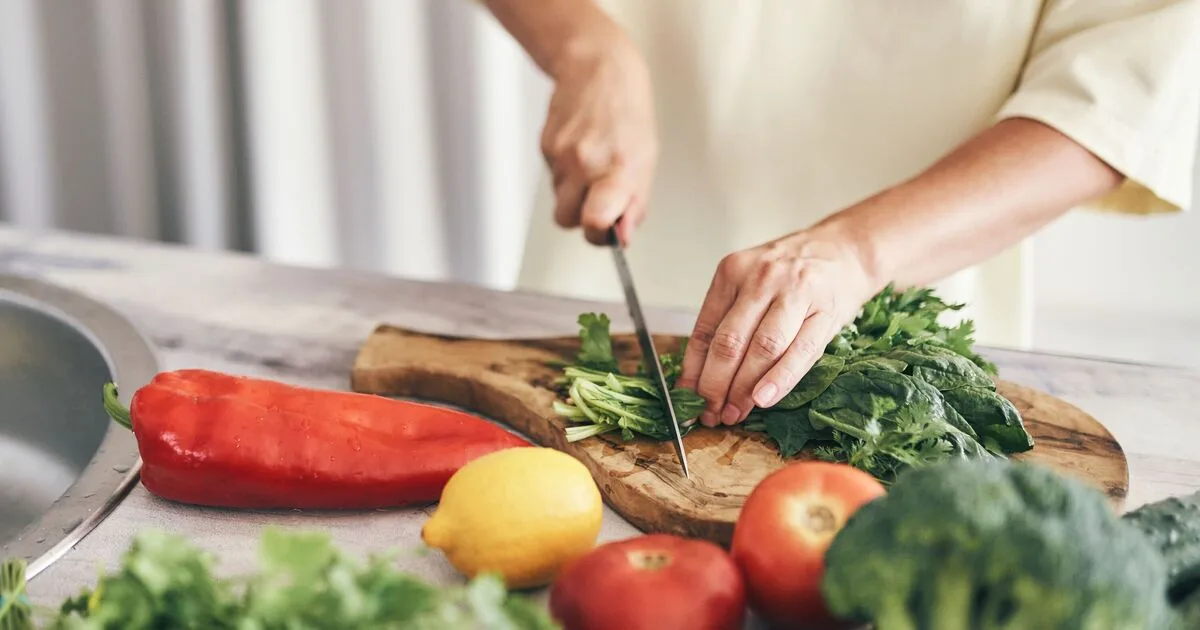
Vegetables are a cornerstone of the diets in the world's five Blue Zones, where residents often live past 100. According to Dan Buettner, who coined the term, the secret to making vegetables appealing lies in three simple ingredients: salt, spices, and olive oil.
Buettner advises using whole foods like fresh garlic, chilli, lemon, and lime juice instead of pre-mixed seasoning blends, which often contain preservatives. He also recommends finishing dishes with olive oil rather than frying in it, to preserve healthy fats.
Beans, a key component of Blue Zone diets, can be enhanced by browning them in the oven with onions, a technique that caramelises the finish. Buettner describes beans as the 'cornerstone' of every Blue Zone diet, with varieties including black beans in Nicoya, lentils in the Mediterranean, and soybeans in Okinawa.

Seasonal eating is another common practice, with communities consuming garden vegetables when in season and pickling or drying surplus produce for off-season use. Buettner's 'best-of-the-best' longevity foods include beans, seasonal fruits and vegetables, and whole grains.