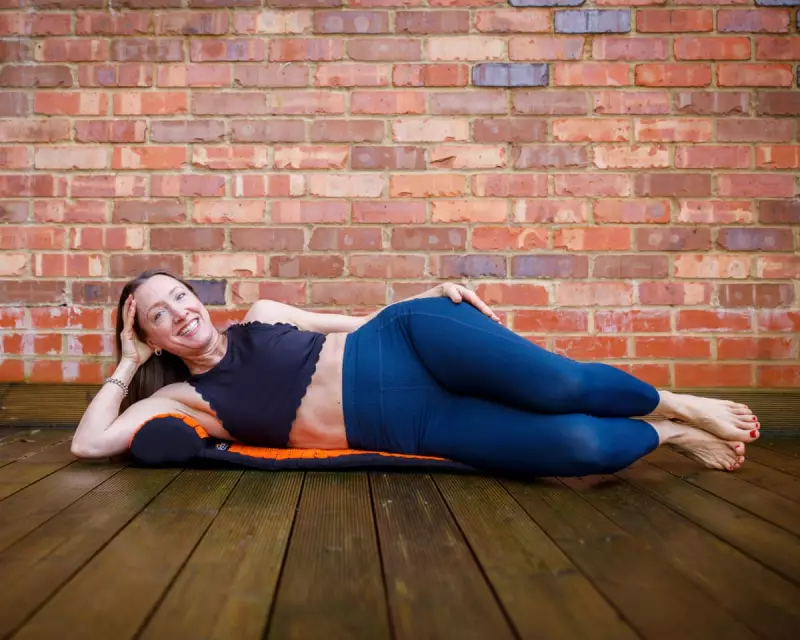
The Rise of Acupressure Mats: Ancient Spiky Therapy in Modern Wellness
In recent years, acupressure mats have surged into the mainstream wellness market, captivating users with promises of alleviating pain, stress, and insomnia. These mats, often studded with tiny plastic spikes, trace their origins back over a millennium to the beds of nails used by Indian gurus for meditation and healing. Today, brands like Shakti Mat offer premium versions priced up to £99, while budget options, such as those from Lidl, can be found for as little as a tenner. Despite their growing popularity, the scientific community remains cautious, with compelling evidence for their benefits still lacking.
Personal Testimonies and Anecdotal Evidence
Many individuals, like Keith from Kansas, have turned to acupressure mats out of desperation. After a car accident left him with chronic back and shoulder pain, Keith found little relief from over-the-counter treatments and was wary of opiates. "Having exhausted everything there was solid science for with no satisfaction, I delved into acupressure," he explains. Using a mat for about 45 minutes at a time, he noticed a reduction in his blood pressure, a valuable bonus given his diabetes and hypertension. However, Keith is quick to emphasise that his experience is purely anecdotal, echoing sentiments from numerous users on platforms like Reddit, where posters describe feeling "relaxed AF" or finding the mats a "magic wand" for stiffness.
The Science Behind the Spikes
Acupressure mats are designed to stimulate specific points on the body, akin to traditional acupuncture. Sahar Hooti, an acupuncturist and author, notes that the mats' numerous spikes likely touch on some acupuncture points, which are strategically placed along nerve pathways. "The 'nails' on the mats are just another road to that healing," she says, "but with added extra strategic, pinpointed benefit when it hits an actual acupuncture point." This stimulation can trigger an injury response, rushing blood to the area and potentially offering temporary rejuvenation. However, Hooti advises moderation, recommending use for no more than five minutes at a time to avoid overstimulation, especially for pregnant individuals.

Empirical Studies and Mixed Findings
In 2023, a study led by Benjamin Schöne, associate professor of psychology at the Norwegian University of Science and Technology, attempted to measure the effects of acupressure mats. The research involved daily use over three weeks, assessing perceived stress, physiological markers like heart rate and blood pressure, and pain tolerance. Unfortunately, the findings were inconclusive. While subjective stress decreased by about 7% and sleep quality improved slightly, there were no significant differences between those using acupressure mats and a control group relaxing on regular mats. Schöne points out that the study only involved healthy participants, suggesting further research with individuals experiencing specific health complaints, such as chronic pain, could yield more definitive results.
Practical Experiences and User Impressions
For many, the initial experience with an acupressure mat is less painful than expected. Users often describe a mild prickle followed by warmth, with some reporting a sense of tension and release. However, the aftermath can include red, dimpled skin and a lingering itchy sensation. Despite this, the mats offer a subtle massage-like effect, which some find helps establish a relaxing evening ritual. As Schöne notes, "From a very personal point of view, these mats are an interesting way to facilitate relaxation." Yet, he has scaled back his own use due to the lack of strong evidence, highlighting the ongoing debate between anecdotal success and scientific scrutiny.

Conclusion: Balancing Hope with Evidence
Acupressure mats represent a fascinating intersection of ancient practice and modern wellness trends. While countless users swear by their benefits for pain relief and stress reduction, the empirical evidence remains sparse. As the market continues to grow, it underscores a broader cultural shift towards alternative therapies in an era marked by high stress and chronic health issues. For now, individuals like Keith and researchers like Schöne agree that, while not a cure-all, these mats may offer a unique, if unproven, path to relaxation and temporary relief.