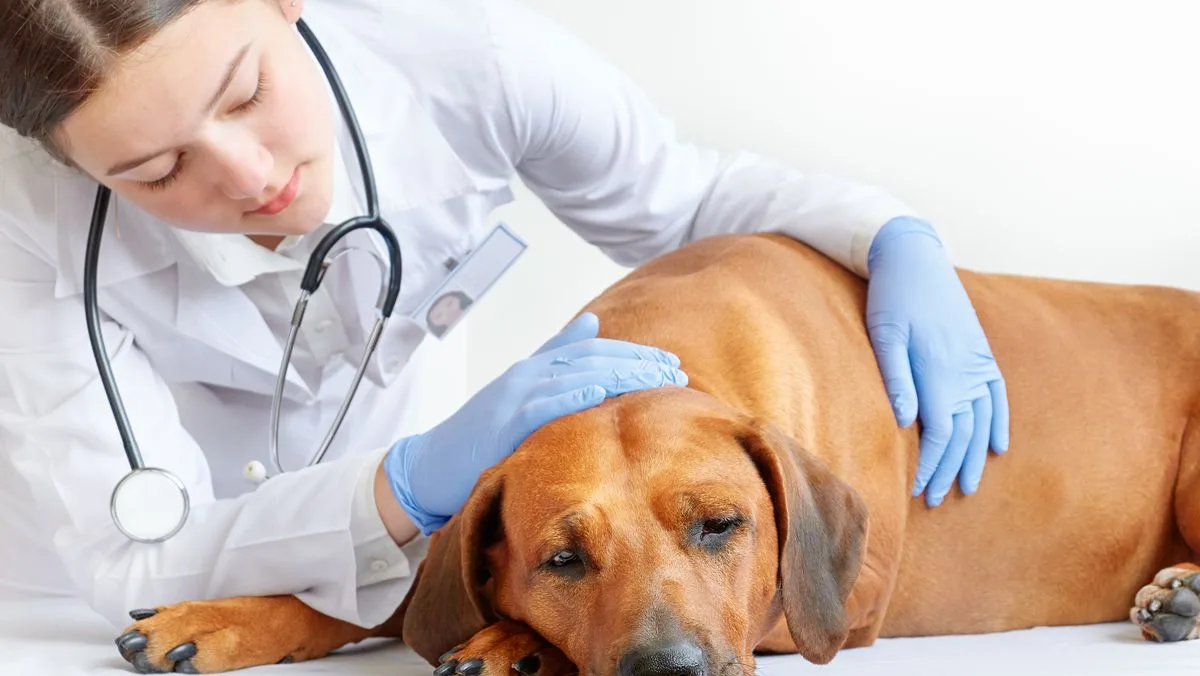
Vet Warns of Eight Fatal Symptoms as Dogs Face Summer Blue-Green Algae Danger
Vet Warns of Eight Fatal Symptoms as Dogs Face Summer Algae Danger

Vets across the UK are issuing an urgent warning to dog owners as cases of blue-green algae poisoning surge ahead of summer. While blue-green algae can cause skin irritation in humans, it can be fatal to dogs if ingested, sometimes within a short time.

What Is Blue-Green Algae?

Sean McCormack, Head Vet at Tails.com, explains: “While blue-green algae sounds the same as green algae, the two are vastly different. Blue-green algae is a form of bacteria called cyanobacteria, and most of the time it cannot be seen by the naked eye. However, when it clumps together and blooms, water often turns a pea-green soup colour. Green algae, on the other hand, is a stringy substance that can be draped over sticks and picked up easily.”

Why Is It Dangerous?

As warmer months approach and more time is spent outdoors, pet parents must be aware of the risks. “Blue-green algae may not look dangerous, but it can be toxic if dogs swim in or drink contaminated water. The blooms produce harmful toxins that can stop a dog’s liver from functioning properly. In some cases, the bacteria can be fatal or cause long-term health problems, depending on how much is consumed and how quickly you get to a vet,” McCormack warns.

Wide Pickt banner — collaborative shopping lists app for Telegram, phone mockup with grocery list

If you plan to take your dog swimming near open water this summer, stay vigilant. “Even if you aren’t sure whether the green stuff in a lake is blue-green algae, it’s better to assume it is. Consider taking your pooch to a dog-friendly pool or lido instead.”

What to Do If Your Dog Encounters Blue-Green Algae

If you suspect your dog has encountered blue-green algae or swallowed contaminated water, call your vet immediately. “There is no antidote for blue-green algae poisoning in dogs, so the sooner treatment begins, the less likely long-term implications will occur,” McCormack says.

Treatment depends on severity. The vet may induce vomiting to remove bacteria before it takes hold. In severe cases where the dog has collapsed or had a seizure, more intensive care is required. “In many cases, blue-green algae can cause fatal liver failure, so avoid any waters you think may be contaminated.”

Eight Signs and Symptoms

Dogs may experience symptoms similar to humans, such as vomiting, but can also have more severe side effects. The most common symptoms include:

  • Vomiting
  • Lack of appetite
  • Diarrhoea
  • Seizures or fitting
  • Weakness, collapse or unconsciousness
  • Confusion or acting disoriented
  • Excessive drooling
  • Difficulty breathing properly

If your dog shows any of these signs after being near water, contact a vet immediately.

Pickt after-article banner — collaborative shopping lists app with family illustration