

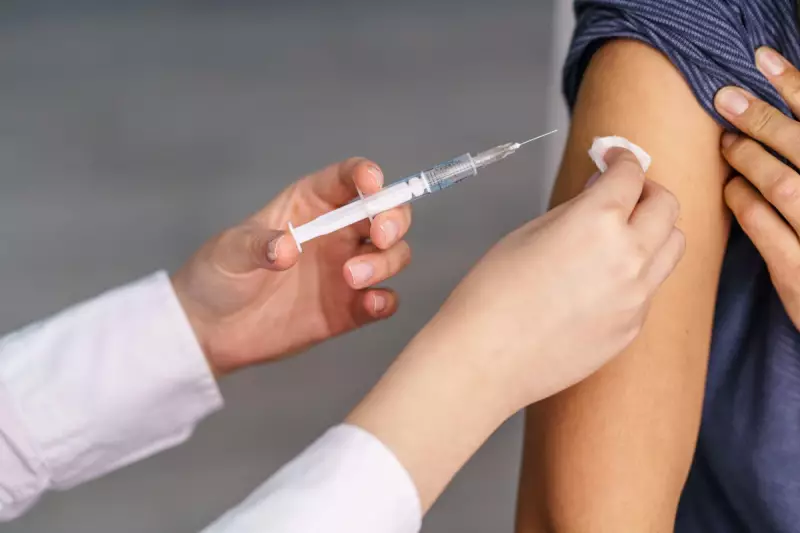
As a potent mix of flu and cold viruses sweeps across the UK, a pressing seasonal question emerges: should young, healthy individuals roll up their sleeves for a flu jab, especially before visiting older family at Christmas?
The 'Superflu' Surge Straining the NHS
The UK is currently grappling with alarmingly high levels of respiratory illness, dubbed a 'superflu' wave. Official figures reveal that an average of 2,660 patients per day were hospitalised with flu last week. This surge has pushed the National Health Service towards a crisis point, with hospitals overcrowded and significant staff absences.
For many, the situation evokes unwelcome memories of recent pandemic winters. The current advice for those feeling unwell to wear masks if they must go outside has only heightened this sense of déjà vu.

A Personal Dilemma: Protecting Vulnerable Loved Ones
The risk calculus changes dramatically when planning festive gatherings. For a healthy young adult, catching flu might mean a miserable few days in bed. However, for an elderly or vulnerable relative, the same virus could have severe, even fatal, consequences.
This is the precise dilemma facing many. Even if an older relative has received their own flu vaccination, the aggressive H3N2 strain currently circulating can still pose a threat. The vaccine significantly reduces the risk of severe illness but does not confer total invincibility.
Expert Advice: Why and When to Get Vaccinated
Dr Nisa Aslam, an NHS GP, offers clear guidance. She advises that even young people without underlying health conditions should seriously consider the flu jab, particularly before festive reunions.
"For most people, it takes around 10 days to two weeks for the protection to kick in," Dr Aslam explains. Her urgent recommendation is to get vaccinated as soon as possible to ensure protection is active by Christmas. Appointments can be booked at local pharmacies like Boots or Superdrug, though availability can be a challenge, with reports of difficulties in areas like south London.
The benefits extend beyond your own family circle. Vaccination also helps protect those in the community who cannot receive the jab themselves, such as some organ transplant recipients or people with specific vaccine allergies.
Practical Measures for a Safer Christmas
Dr Aslam emphasises that vaccination is just one layer of defence. Crucially, you can be infectious 24 hours before symptoms appear and for up to a week afterwards.
If visiting someone who is very frail, undergoing chemotherapy, or is a very young baby, maintaining some distance is wise. Key protective measures include:
- Scrupulous hand hygiene.
- Disposing of used tissues immediately.
- Ventilating rooms where you gather.
Furthermore, wearing a mask in crowded or enclosed spaces can provide a significant additional layer of protection, as these viruses spread through respiratory droplets.
This advice holds true even if everyone present has been vaccinated. The goal is to balance the profound mental health benefits of connection—especially for the estimated million older people facing Christmas alone—with sensible precautions to keep loved ones safe.
With the NHS under intense pressure and flu rates soaring, the message from health professionals is clear: proactive steps, including vaccination for all age groups who can access it, are a responsible way to safeguard the festive season for everyone.






