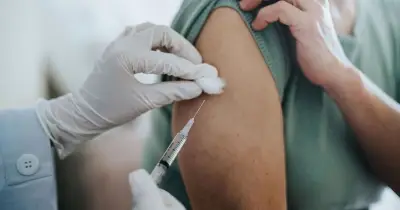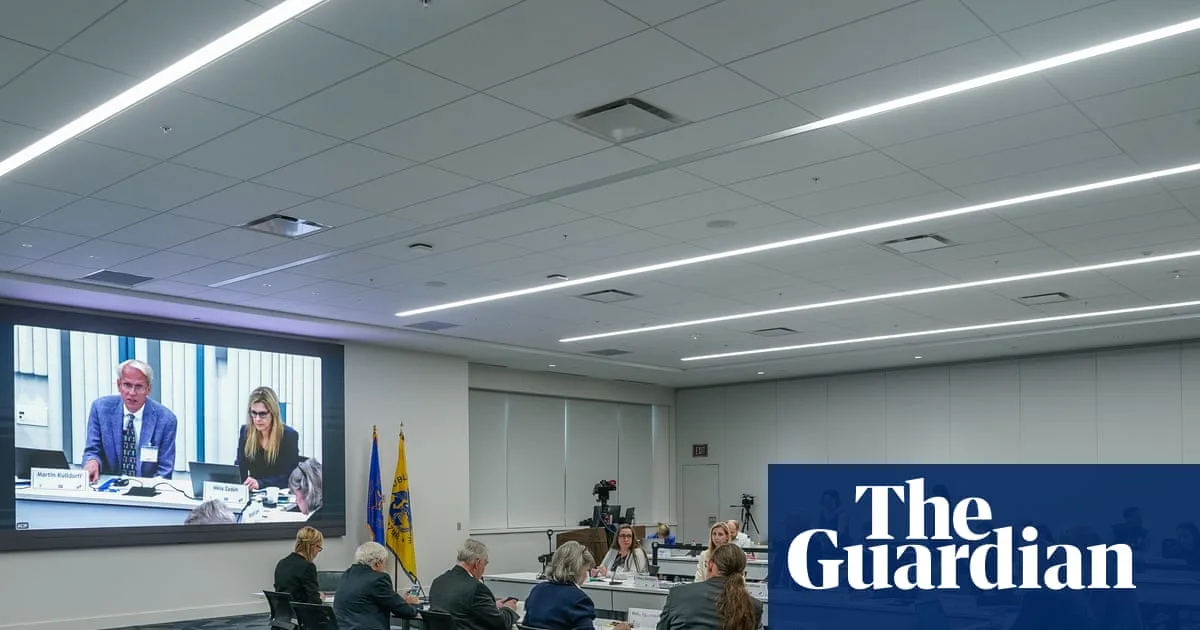
A US vaccine advisory panel reconstituted by Health Secretary Robert F Kennedy Jr has abandoned a planned vote that would have delayed the first hepatitis B vaccine dose for newborns, citing inconsistency in the proposed policy changes. The committee, which advises the Centers for Disease Control and Prevention (CDC), had discussed altering the longstanding recommendation that babies receive the shot at birth—a policy credited with a dramatic decline in disease rates.
During two days of meetings, many committee members initially appeared to support the change, but medical experts and patient advocates warned during public comment that delaying the dose would leave infants vulnerable. On Friday, some members raised new concerns about CDC data and suggested extending the recommended window from one month to two or three months, though the basis for the original one-month criterion had been questioned.
The panel did vote unanimously to recommend universal hepatitis B testing for all pregnant women. However, it remains unclear how it will proceed on the newborn vaccination schedule. The CDC has defended the birth-dose policy, noting that 12% to 16% of pregnant women in the US have no record of hepatitis B testing, leaving newborns at risk of vertical transmission.
Dr Catherine Troisi, an infectious disease epidemiologist at UTHealth Houston, told the meeting that the birth-dose policy drove a 97% decline in acute hepatitis B among Americans under 19. Pediatrician Dr Cody Meissner, a panel member, warned that delaying the dose could “increase the risk of harm based on no evidence of benefit”, adding that “for the newborn hepatitis B vaccine, there is no doubt the protective benefits far outweigh any possible risks”.
The meeting also saw the committee reject the combined measles-mumps-rubella-varicella shot for children under four, citing a small increase in seizure risk, and it will later consider updates to Covid-19 vaccine guidance. The advisory committee on immunization practices (ACIP) was reconstituted this year by Kennedy, who has long promoted claims about vaccine harms that contradict scientific evidence. Under his leadership, the panel has already cut routine Covid-19 shots for children and pregnant women and halted nearly $500m in mRNA projects.