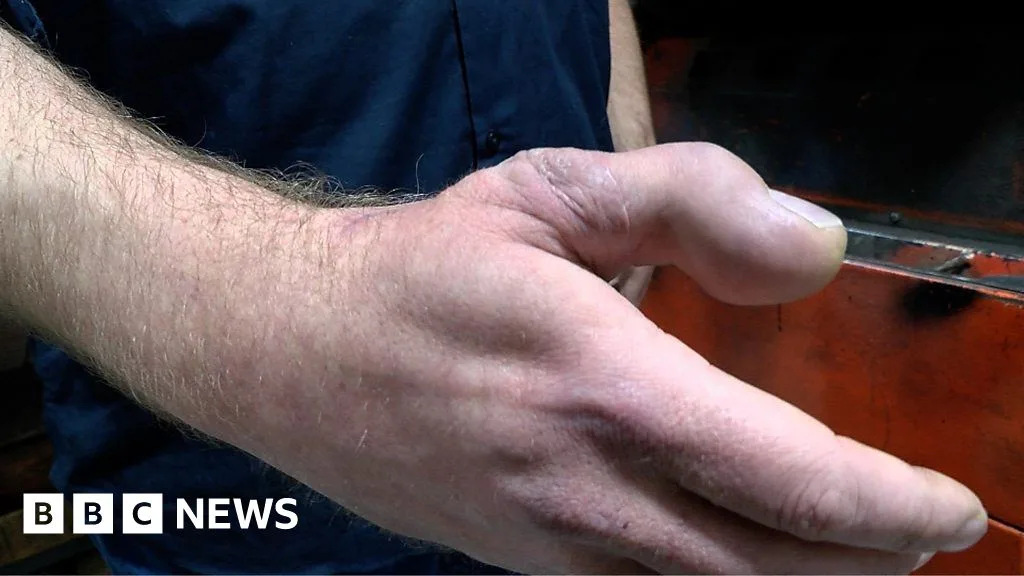
A Nottinghamshire cobbler who lost his thumb in a horrific workplace accident has made an extraordinary recovery after surgeons performed a rare procedure to replace it with one of his big toes. David Lee, from Sutton-in-Ashfield, faced the prospect of losing his livelihood when his thumb was sliced off while repairing shoes in 2019, but innovative surgical techniques have allowed him to return to the trade he loves.
A Sudden Accident Changes Everything
The life-altering incident occurred while Mr Lee was trimming a shoe heel in his shop. His jumper became entangled with the machinery, pulling his hand into the equipment with devastating consequences. "Straight away, I knew how bad it was," Mr Lee recalled. "I just worried that I wouldn't be able to fix shoes again. I cried my eyes out when I thought about it, as I thought I was going to lose my shop."
Remarkably, despite the severity of the injury, Mr Lee reported feeling almost no pain initially. He calmly turned off all the machinery before stepping outside to wait for the ambulance, demonstrating remarkable composure in the face of such a traumatic event.
Innovative Surgical Solution
After initial treatment at King's Mill Hospital in Mansfield, Mr Lee was referred to the specialist Pulvertaft Hand Centre at Royal Derby Hospital. There, surgeons proposed a groundbreaking solution: creating a new thumb using one of his big toes through a procedure known as toe-to-thumb transplantation.
Just five days after the accident, a surgical team led by consultant hand surgeon Jill Arrowsmith spent approximately ten hours performing this complex operation. This sophisticated procedure has been attempted only a handful of times at the hospital and is reserved for specific cases where patients have lost most of their thumb, typically down to near the knuckle.
Specialist Surgical Perspective
Ms Arrowsmith, who recently reunited with Mr Lee on BBC Radio Derby, explained the significance of such operations. "Not having any of the thumb can be very disabling, especially for those who do a manual job," she noted. "This type of injury could mean that these patients are not able to remain at work, so we're delighted to be able to provide this treatment option."
The surgeon praised Mr Lee's determination throughout his recovery journey, describing his progress as "amazingly well." She added: "He's the first master cobbler I've ever met, so it's really nice to hear that he's back doing what he loves to do."
Returning to Normal Life
Now in 2026, Mr Lee has fully returned to working in his shop, demonstrating remarkable adaptation to his new circumstances. The transplanted toe has become an integrated part of his hand, allowing him to continue practicing his craft with minimal disruption.
When asked about potential self-consciousness regarding his appearance, Mr Lee displayed refreshing acceptance. "Maybe people do notice it," he told the BBC, "[but] no-one has ever said anything to me. But now I've got to the stage where, you know what? It's a part of me and I just don't care."
The Only Inconvenience
The cobbler's main practical adjustment has been surprisingly mundane. With characteristic humour, he noted that his only significant inconvenience is needing larger gloves to accommodate his new "thumb." This practical observation highlights how successfully he has adapted to his changed circumstances and returned to normal life.
Mr Lee's story represents a triumph of both medical innovation and personal resilience. His determination to continue his passion for shoe repair, combined with pioneering surgical techniques, has enabled him to overcome what could have been a career-ending injury, serving as an inspiring example of recovery and adaptation.




