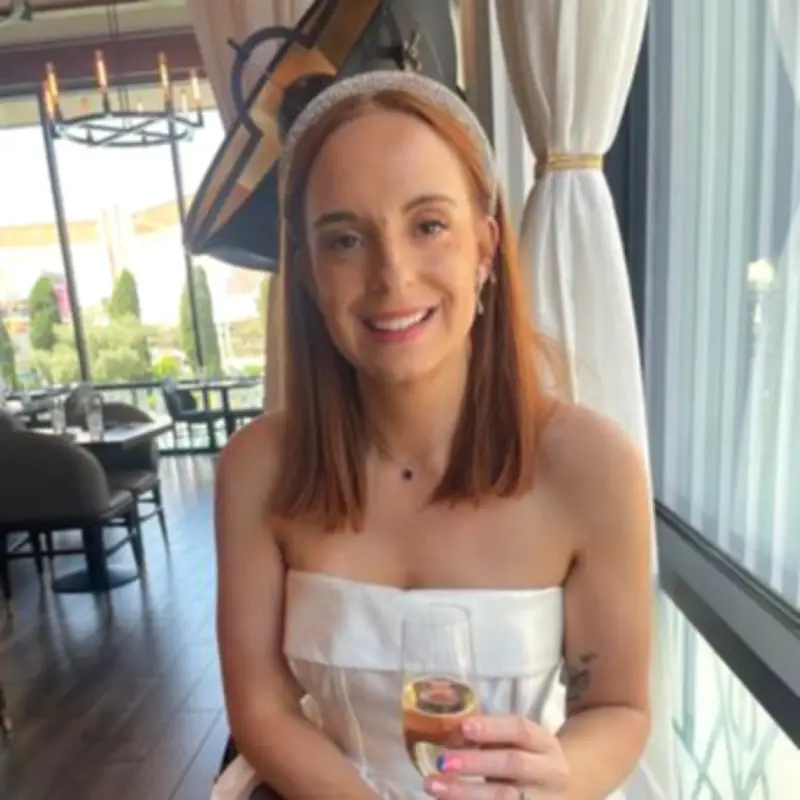
A Stockport woman who lost her leg to cancer as a teenager and received a second devastating diagnosis at just 23 is backing research aimed at preventing the disease before it starts.
Liv Shaw's Cancer Journey
Liv Shaw, 29, from Reddish, has a rare inherited condition called Li-Fraumeni syndrome (LFS). People with this condition have up to a 90 per cent chance of developing cancer during their lifetime.
She was first diagnosed with osteosarcoma, a form of bone cancer, when she was 14 and studying for her GCSEs. After undergoing chemotherapy at Alder Hey Hospital, Liv was told the cancer had spread into the tissue and muscle surrounding her leg bone, and she needed an above-the-knee amputation.
Devastatingly, nearly a decade later, while studying at Manchester Metropolitan University, Liv faced cancer for a second time. After breaking a rib in early 2020, she discovered a lump by chance. Scans revealed a tumour, initially thought to be benign after surgery, but further tests later confirmed it was cancerous. She underwent another operation to remove additional tissue, though doctors determined the cancer was so slow-growing that she did not require further treatment.
Genetic Discovery and Family Impact
Following her second diagnosis and a history of cancer on her mother's side, Liv underwent genetic testing and discovered she carries Li-Fraumeni syndrome. Her mother and two IVF triplet siblings tested negative for the condition.
It is now thought Liv may have inherited the faulty gene from the sperm donor used in her conception, although doctors cannot rule out the possibility that the mutation began with her.
Liv, an operations manager, said: "I stay positive and keep things as 'normal' as I can. But I'm only in my twenties and I've already been through two different cancers. My care is all about detecting cancer early, not preventing it in the first place. There's no cure for LFS."
A Positive Turn
From her testing times came one positive story. Liv married fellow two-time cancer survivor Sam in Las Vegas last year after meeting him through charity fundraising work. Now, she is supporting research into ways of preventing cancer in people with LFS.
Scientists funded by Cancer Research UK are currently testing whether metformin, a drug commonly used to treat diabetes, could delay or prevent cancer in people with the condition. The clinical trial, called MILI, will investigate whether the drug can change how cells use energy and make it harder for cancer to grow.
Liv added: "People like me urgently need more, and less invasive, ways to help reduce our cancer risk. That's why research like the MILI trial is so vital – along with the donations that make it possible."
Proactive Measures
In 2023, Liv took the difficult decision to undergo a double mastectomy to reduce her risk of developing breast cancer. She now faces regular check-ups and will be closely monitored for the rest of her life.
Despite facing multiple cancer diagnoses and major surgery, Liv says she refuses to ask "why me?" She said: "Although I feel frustrated at times, rather than thinking 'why me', instead I think 'why not me?'. Using my voice to make a positive difference gives me strength, and knowing that there could be a better outlook for people like me with LFS on the horizon spurs me on."
"Being able to stop cancer in its tracks would change everything, so I hope supporters will give what they can so that more people can benefit from the life-changing advances Cancer Research UK scientists are driving forward."
The MILI Trial
In the MILI trial, people with LFS are offered metformin tablets alongside standard hospital checks to see if this reduces their chance of cancer. If this common 'wonder drug' is shown to help suppress tumours, harnessing its potential could offer a lifeline to thousands.
Cancer Research UK spokesperson for the North West, Jane Bullock, said: "From understanding cancer's triggers to developing world-first vaccines and testing anti-cancer drugs, we're developing more personalised, precise and powerful prevention techniques to stop cancers before they start. But stories like Liv's bring home the need to fuel faster progress."
"By preventing the disease, we're helping to protect people like her from the challenges of a diagnosis, treatment and what follows, so they can focus on the moments that matter. That's why we're urging people to donate and help us create a future where fewer people hear the words, 'You have cancer.'"