Doctor Amir Khan has explained why weight-loss pills might be better than injections for those who are eligible. He discussed some of the differences between GLP-1 medications on a recent episode of his podcast.
GLP-1 (glucagon-like peptide-1) is a naturally occurring gut hormone that regulates blood sugar levels and appetite. The use of GLP-1 inhibitors, or receptor agonists, has soared in popularity in recent years due to their demonstrated effectiveness in managing blood sugar levels in diabetic patients and aiding weight loss.
Tablets vs Injections
These medications, which were initially only available as injections, can be prescribed through the NHS or bought privately. The UK's first GLP-1 receptor agonist tablet for weight loss and weight management received approval from the Medicines and Healthcare products Regulatory Agency (MHRA) last month.
This latest development means that patients now have the choice of taking a tablet instead of having an injection. Speaking on his podcast, No Appointment Necessary, Dr Amir was asked by his co-host Cherry Healey: “Recently, they released a weight loss pill. How is that different to the injections, and do you think it's a good thing? And will it mean that there's more access to the drug to the people who really need it?”
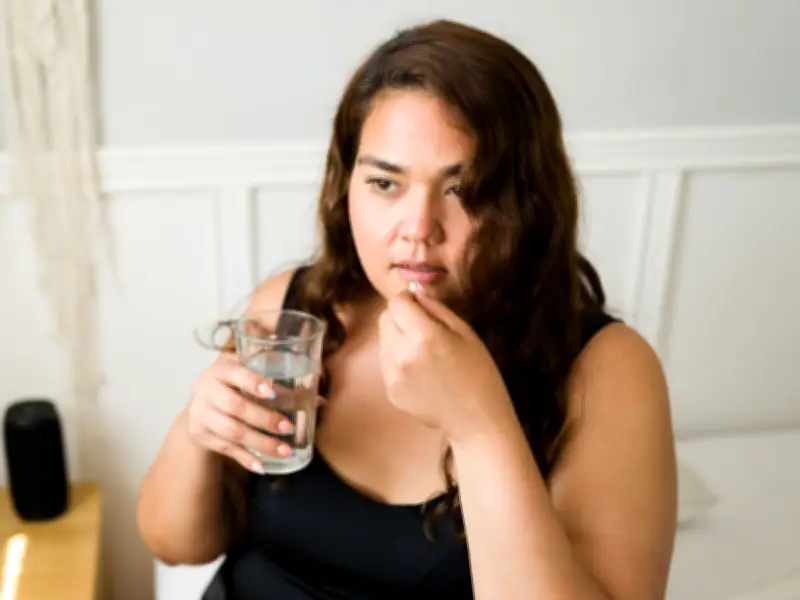
He replied, explaining that the pill is semaglutide, which is the same as the injectable drug. The main difference is that the pill must be taken daily, while the injection is given once a week. Dr Amir said: “It's that one GLP-1 hormone in there. It's a daily pill you have to take it first thing in the morning on an empty stomach with a full glass of water [official guidelines state a 120ml of water] so it goes all the way down and you are not allowed to eat for about half an hour afterwards. So that's the kind of the mechanics of it all. Works in very much the same way as the jabs.”
Accessibility Benefits
However, he admitted that the pill might be more accessible to certain people. He continued: “In terms of accessibility, it might make it more accessible to people who are needlephobic. It might make it more accessible to people who find it difficult to store the injections in the fridge - they have to be stored in the fridge at all times otherwise the drug breaks down in room temperature. And so perhaps if you're going on holiday for two or three weeks you can take the pills instead of the jabs. So from that point of view it's more accessible and acceptable, I think.”
Who Could Get the Pill
Two groups of people could be eligible for the pill through the NHS. These include adults in the UK who are: living with obesity with a Body Mass Index (BMI) of 30 or above, or overweight with a BMI between 27 and 30 and at least one weight-related comorbidity.
How to Take the Wegovy Pill
Guidance supplied by Superdrug says you must: take the Wegovy pill first thing in the morning when you wake up on an empty stomach and before eating, drinking, or taking any other medication; swallow one Wegovy pill whole with 120ml of water. Do not take the pill with any other drink, such as tea, coffee, or juice. It must only be taken with plain water; wait at least 30 minutes before eating, drinking, or taking any other oral medication. You can wait longer, but 30 minutes is the minimum. If you do not wait 30 minutes, the active ingredients in the Wegovy pill may not reach your bloodstream and will not be effective.
Side Effects
On GOV.UK, the MHRA said: “Common gastrointestinal side-effects of GLP-1RAs treatment (including nausea, vomiting, diarrhoea and constipation) can persist for several days and may affect more than one in 10 patients. This may result in dehydration, which if severe may lead to other serious health complications such as kidney damage resulting in hospitalisation. Throughout treatment stay well hydrated by drinking plenty of fluids (such as water) to avoid dehydration, which can sometimes occur after experiencing gastrointestinal side-effects including vomiting and diarrhoea. Other serious but less common side-effects of GLP-1RAs include acute gallstone disease, pancreatitis, and serious allergic reactions.” If side effects become severe, persist, or prevent you from eating and drinking normally, you should contact your doctor for advice.