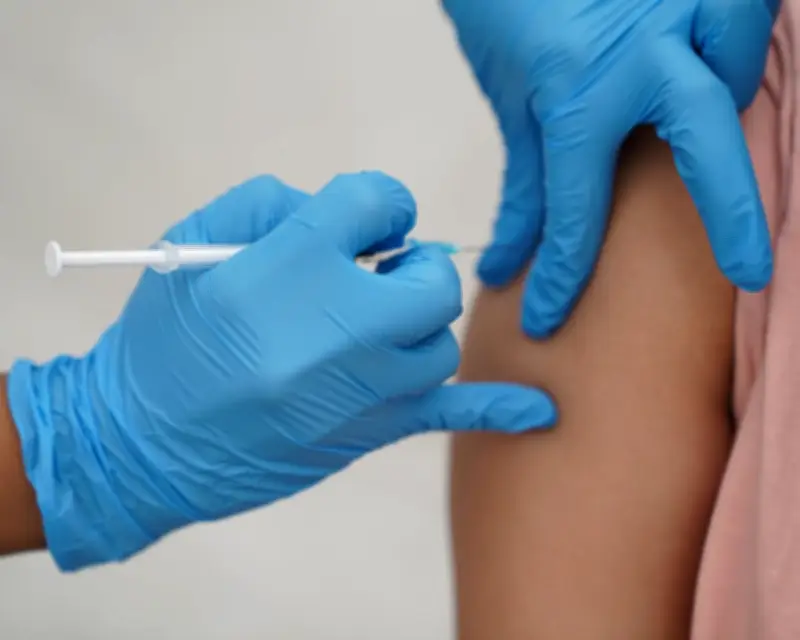
A groundbreaking study reveals that women who received the HPV vaccine in early adolescence have virtually zero risk of dying from cervical cancer before age 30. However, experts warn that declining vaccination rates could lead to a resurgence of avoidable deaths.
Study Findings
Researchers from Queen Mary University of London (QMUL) analyzed official cancer mortality and vaccination data for women aged 20 to 34. The study, funded by Cancer Research UK and published in The Lancet, found substantial reductions in cervical cancer mortality among those offered vaccination after the jab's introduction in 2008.
For vaccinated women aged 30-34, the relative risk of death from cervical cancer is 63% lower. Notably, for the first time in recorded history, no women aged 20 to 24 died from cervical cancer in England between 2020 and 2024. The authors estimate the HPV vaccine has saved hundreds of lives.
Expert Commentary
Lead author Professor Peter Sasieni stated: "We estimate that since its introduction, HPV vaccination has prevented nearly 200 young women from dying from cervical cancer in England." He added that with close to 90% uptake in women born between 1995 and 2004, thousands of deaths could be prevented in the coming years.
However, Sasieni cautioned: "The falling HPV vaccine uptake – now just 75% nationally and 60% in London – means that without swift efforts to increase uptake, we could see a reversal of these trends." He warned of 15-25 avoidable deaths each year in young women if uptake does not improve.
Call to Action
Michelle Mitchell, chief executive of Cancer Research UK, urged the UK government to take targeted action in communities with lowest uptake. Helen Hyndman of The Eve Appeal emphasized that cervical cancer elimination requires improved vaccination and screening rates.
Dr. Alison Wright of the Royal College of Obstetricians and Gynaecologists called the data "exciting and powerful," noting that the vaccine could lead to fewer diagnoses and deaths. Caroline Temmink, NHS Director of Vaccination, highlighted the vaccine's life-saving impact and the NHS ambition to eliminate cervical cancer by 2040.
A Department of Health and Social Care spokesperson said: "We are boosting vaccine uptake – including catch-up campaigns via community pharmacies and making cervical screening more accessible."