
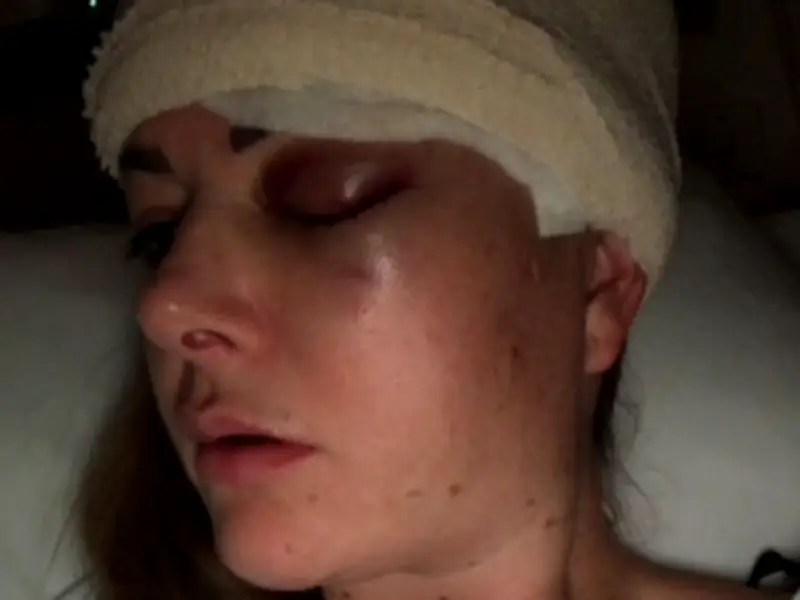
Women who suffered brain tumors, bulging eyes, and sight loss after using the contraceptive injection Depo-Provera are calling for an immediate change to NHS Scotland's side-effect guidance. They argue that the current wording, which states there is a "small chance" of developing a meningioma tumor with frequent use, is dangerously misleading.
Study Shows Fivefold Increased Risk
A study published in the British Medical Journal in 2024 found that women who used the injection were five times more likely to be diagnosed with meningiomas than those who never used it. Despite this, NHS guidance has not been updated. Currently, 150 Scottish women are represented by Thompsons Solicitors in their fight for damages against drug manufacturer Pfizer, as reported by the Daily Record.
Victims Speak Out
Tammy Croston, 47, from Cupar in Fife, runs an online support group for women who suspect their tumors are linked to Depo-Provera. The group has 400 members, with numbers "tenfolding." After surgery to remove one of her four meningiomas, Croston lost the use of one eye. She said: "This guidance needs to be changed immediately. There are 150 known victims in Scotland but across the UK, support groups are being formed with hundreds, if not thousands, of women. It is irresponsible for the NHS to continue to keep this guidance when women are popping up everywhere with tumors after taking Depo for years."
Trish Saunders, 45, from Aberdeen, used Depo-Provera from 1999 to 2016 for heavy periods. She was diagnosed with a 5mm meningioma in 2013 after her eye became swollen. Surgery left her with a half-paralyzed face. She said: "There is no 'small chance'; the chance of developing a tumor after taking Depo-Provera is extremely likely. We are living proof of that."
Growing Number of Cases
Kirsty McCord, 52, from Biggar, South Lanarkshire, started Depo-Provera at age 18. She was diagnosed with a meningioma the size of a tangerine after a seizure last year. She said: "This wording needs to be changed to remove 'small risk' – I am living proof that that's not the case. It's reckless to suggest there is a small risk."
Kirsty Moore, 37, from Dundee, underwent brain surgery and radiotherapy to shrink a tumor after using the injection for over 20 years. She has a bulging eye due to the tumor's location. She said: "The wording needs to be changed immediately. There are loads of young girls out there who will be taking Depo because of how easy and convenient it is. In years to come, some of them may develop meningiomas when they aren't aware of the full facts."
Legal and Political Action
In 2024, major lawsuits were filed against Pfizer in the US after the scientific link was established. Last month, women took their cases to Holyrood, demanding a public inquiry into the injection's use in the UK. This came days after Pfizer agreed to settle over 5,000 lawsuits in America.
Emma Bruce, a solicitor at Thompsons representing the women, said: "No woman should be prescribed Depo‑Provera without first being fully informed of the increased risk of developing a meningioma. The devastating consequences suffered by our clients must be fully acknowledged. The risks must not be minimised, downplayed, or dismissed."
Government and Pfizer Response
Public Health Minister Maree Todd said: "I have the utmost sympathy for women who may have been harmed by Depo Provera. I met with some of the women and have agreed a series of actions, including issuing a letter directly to healthcare professionals in Scotland. The regulation of medicines is reserved to the UK Government, meaning any further investigation would be a matter for the MHRA."
A Pfizer spokesperson said: "Patient safety is our top priority. Depo-Provera has been approved in more than 60 countries over the last 30 years, has a well-established efficacy and safety profile, and has been a treatment option for millions of patients. People should talk to their doctor if they have any concerns."




