
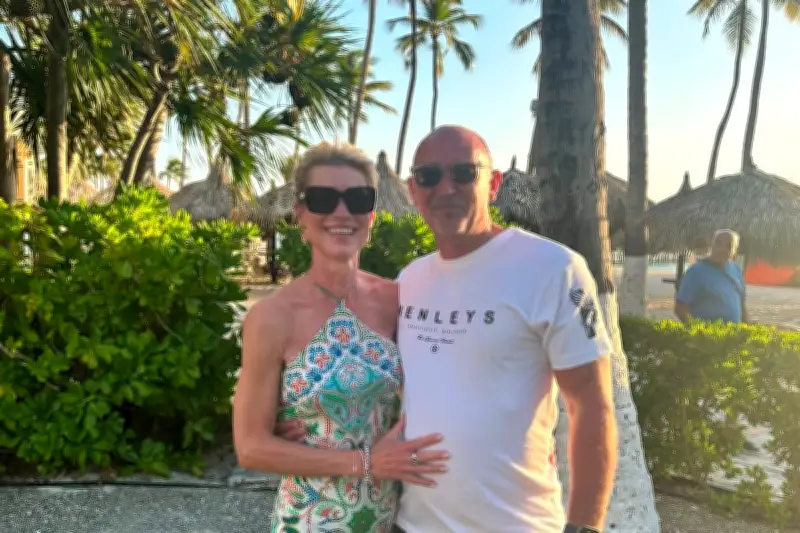
Jo Fuller, a 51-year-old dyslexia specialist from East Leake, Nottinghamshire, sold her house to pay for potentially life-extending treatment for glioblastoma, an aggressive brain cancer not routinely funded by the NHS. She described it as one of the hardest decisions of her life but her only hope for more time.
Diagnosis and collapse in Australia
Almost two years ago, while on holiday in Australia with her husband Wayne, Fuller collapsed on Boxing Day after suffering a seizure. She had been shopping for a family barbecue and woke up on the dining room floor surrounded by paramedics. She was diagnosed with glioblastoma and underwent brain surgery in Australia, an experience she called terrifying.
Treatment and financial burden
After standard treatments failed, Fuller opted for hyperthermia, which heats tumour tissue to 42-43°C to make cancer cells more vulnerable to radiotherapy and chemotherapy. This treatment is not routinely funded by the NHS and is considered experimental for brain tumours. She also pays for consultations with an alternative oncologist, repurposed medication, and nutritional supplements, costing hundreds of pounds monthly. She has set aside funds for potential future treatments, including IOZK immunotherapy in Germany, which is unlicensed in the UK.
Impact on life and family
Fuller and her husband brought forward their planned handfasting ceremony after being advised not to delay important milestones. Her first post-treatment scan showed the tumour had grown aggressively and spread across her brain. She said, 'I've always told myself I'll be part of the 1% of long-term survivors. I refuse to let glioblastoma decide my future.'
Statistics and charity response
About 3,200 people are diagnosed with glioblastoma each year in the UK, with only a third surviving beyond a year and just 4% beyond five years. Dr Karen Noble, director of research, policy and innovation at Brain Tumour Research, said, 'Jo's story reflects the devastating reality faced by so many patients and families. With few options, some patients turn to treatments abroad, often unavailable in the UK and without any guarantee of better outcomes.' The charity urges the Government to increase investment in research and expand access to clinical trials.
Government statement
A Department of Health and Social Care spokesperson said, 'Our deepest sympathies are with Jo Fuller. Improving cancer research and care is a priority. As part of our National Cancer Plan, we will bring the latest scientific breakthroughs into the NHS faster. Through the NIHR, we are supporting groundbreaking trials to transform outcomes for people living with brain tumours.'




