
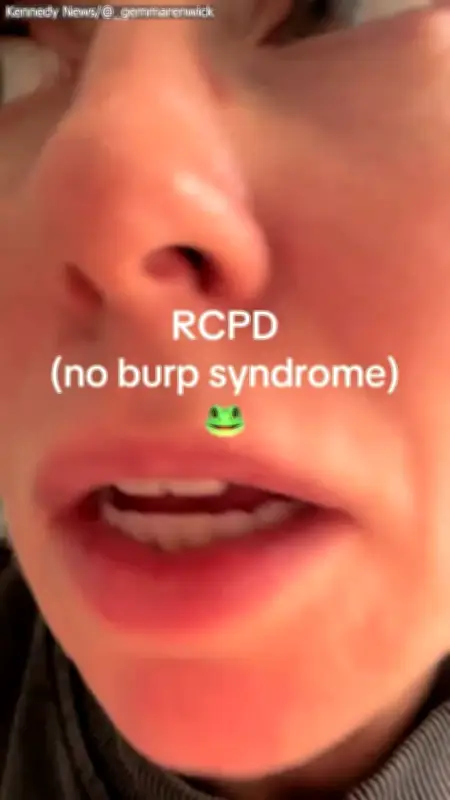
Gemma Renwick, a 43-year-old mother of two from Eastleigh, Hampshire, endured years of frog-like croaking and extreme bloating due to an inability to burp. She finally achieved her first belch after paying £925 for a Botox injection, a treatment not currently available on the NHS.
Decades of Discomfort and Embarrassment
Since her teenage years, Renwick experienced loud gurgling and croaking noises from her throat, along with severe bloating and chest pain. The trapped air caused her to feel breathless and unable to eat or drink. She often had to leave events early to lie down for relief, which left her anxious about social situations. At school, she was known as 'the girl that makes the funny noises,' and as an adult, she tried to laugh off the sounds during professional calls and client meetings.
Despite visiting her GP repeatedly since age 21, she was prescribed IBS tablets or advised to change her diet for possible allergies. The NHS could not offer a diagnosis or treatment.
Self-Diagnosis via TikTok
In 2024, Renwick stumbled upon a TikTok video describing symptoms identical to hers. She self-diagnosed with Retrograde Cricopharyngeal Dysfunction (RCPD), also known as 'no burp syndrome.' This condition occurs when the cricopharyngeus muscle at the back of the throat fails to relax, preventing burping and causing trapped gas, bloating, flatulence, nausea, and gurgling noises.
After private consultation, she opted for a Botox injection on May 28, where the muscle relaxant is injected into the throat muscle to enable burping. The procedure cost £925.
Life-Changing Results
Renwick described the treatment as 'utterly life-changing.' Within days, she began burping, and after five weeks, she experienced no bloating or flatulence. She now drinks fizzy drinks to encourage burping and performs neck exercises, hoping the effect becomes permanent. She said: 'It feels amazing and I haven't had any bloating for five weeks... I just think that it should be available on the NHS. We shouldn't have to pay nearly £1,000 to get that done.'
She has started a petition urging the government to review NHS treatment for RCPD, aiming to raise awareness so GPs can recognize the condition and include it in medical training.




