
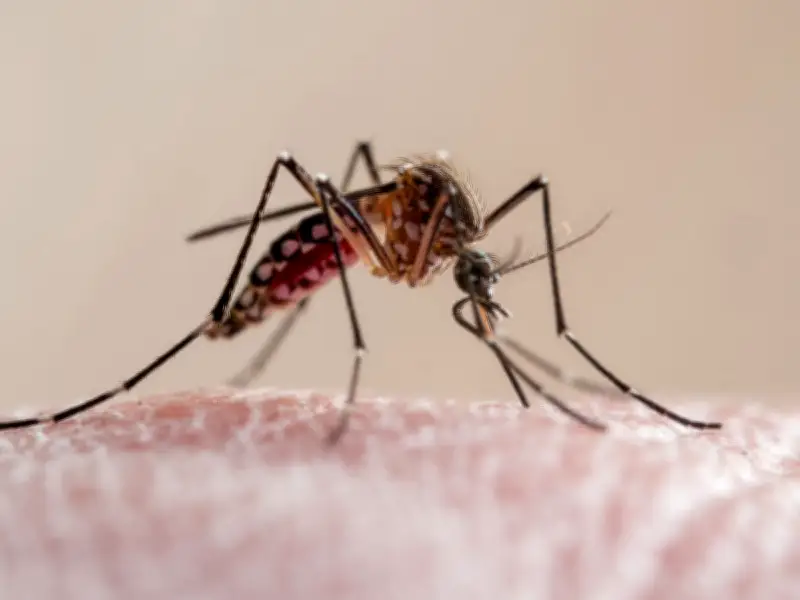
The UK Health Security Agency has issued an urgent warning to Brits after a sharp spike in holidaymakers bringing back potentially deadly mosquito-borne diseases from overseas hotspots. More than 750 travel-acquired cases of four mosquito-spread illnesses have already been logged across England, Wales, and Northern Ireland since the start of the year.
Malaria Remains the Biggest Threat
Between January and May 2026, there were 557 malaria cases, up from 548 over the same period last year. Officials warned that malaria can be rapidly fatal if not treated, with symptoms including severe fever, vomiting, and intense muscle pain.
Dengue and Chikungunya Cases Surge
Dengue fever is also surging, with 137 cases recorded between January and June 2026. UKHSA data shows the highest risk zones were concentrated in South East Asia and South Asia, with 27 infections linked to trips to Thailand and 19 connected to holidays in the Maldives. Dengue can cause crippling joint pain, headaches, and high fever.
Chikungunya, which can leave sufferers battling extreme muscle aches, rashes, and long-lasting joint swelling, accounted for 59 cases. Of those, 18 infections were tied to travellers returning from Sri Lanka.
Zika Virus Cases Already Exceed 2025 Total
There were also eight cases of Zika virus in the first six months of 2026, already higher than the total of seven recorded across the whole of 2025. Half of the new cases, four, were caught in Indonesia. While Zika is mild for most adults, health chiefs warned it can be devastating for pregnant women, linked to miscarriage and severe birth defects including microcephaly.
Experts Warn of Complacency
Experts say the surge is being driven by the bounce back of global tourism, with more Brits taking long-haul trips without checking local infection levels. UKHSA also warned against the myth of “natural protection”, saying some people visiting friends and family abroad wrongly believe they have built-in immunity.
Dr Hilary Kirkbride, consultant epidemiologist and head of travel health at UKHSA, stressed that temporary visitors do not have the same defences as long-term residents and must take precautions. Because most of these viral infections have no standard vaccine, UKHSA says prevention is all about avoiding bites.
Prevention Advice
Travellers are urged to use high-strength DEET repellent, cover up with loose long sleeves and trousers especially at dawn and dusk, and sleep under insecticide-treated bed nets if rooms are not sealed or air conditioned. They also urged people to check NHS Travel Health advice in advance for malaria tablets and any recommended travel jabs.




