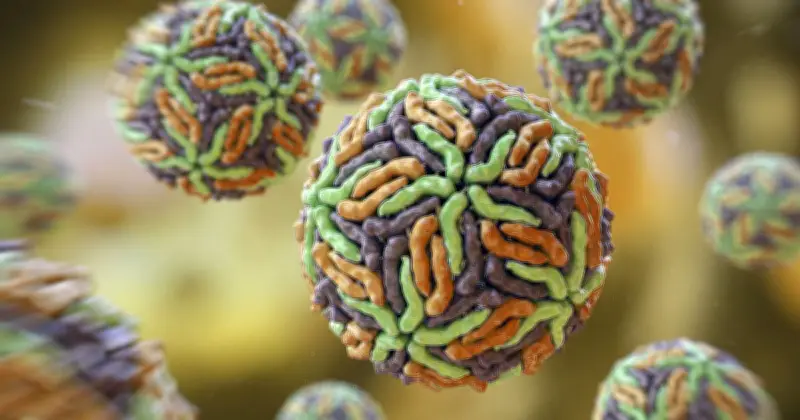
The UK Health Security Agency (UKHSA) has issued a warning to holidaymakers, urging them to take four key precautions to protect themselves from mosquito-borne viruses after new data revealed a rise in imported infections. The agency highlighted that diseases such as dengue fever, Zika virus, chikungunya, and malaria can cause serious health issues, particularly for vulnerable groups like pregnant women.
Four Essential Precautions for Travellers
The UKHSA advised travellers to reduce the risk of mosquito bites by applying insect repellent, covering arms and legs with clothing, using insecticide-treated mosquito nets where appropriate, and ensuring travel vaccinations are up to date. Additionally, they should check if anti-malaria medication is recommended for their destination. Dr Hilary Kirkbride, consultant epidemiologist and head of travel health at UKHSA, said: “Summer is a popular time to travel – don’t let illness spoil your holidays. Good preparation and planning is important for a safe and enjoyable trip.”
Rising Cases of Imported Infections
Data from January to June 2026 shows an increase in several mosquito-borne diseases. Eight Zika virus cases were reported, already exceeding the seven cases in all of 2025, with four linked to Indonesia. Dengue fever cases reached 137, with South-East Asia and South Asia being the most common regions; 27 cases were tied to Thailand and 19 to the Maldives. For comparison, 161 cases were reported by the end of June 2025. Chikungunya cases totalled 59, with Sri Lanka accounting for 18, down from 73 in the same period last year. Malaria cases in England, Wales, and Northern Ireland from January to May 2026 were 557, slightly up from 548 in 2025.
Symptoms and Risks of Mosquito-Borne Illnesses
Dengue fever symptoms resemble flu, including high temperature, severe headache, pain behind the eyes, muscle and joint pain, and nausea. Chikungunya causes fever, joint pain, headache, muscle pain, joint swelling, and rash. Zika typically results in mild illness but poses serious risks during pregnancy, including stillbirth, miscarriage, developmental issues, and microcephaly. Malaria can be fatal, with symptoms such as fever, vomiting, and pain.
Additional Health Advice
Beyond mosquito-borne diseases, 287 cases of typhoid and paratyphoid fever were reported from January to June 2026, caused by Salmonella bacteria spread through contaminated food or water. Dr Kirkbride emphasised: “Even if you have visited a country before, you do not have the same level of natural protection against infections as permanent residents, so it is important to take precautions every time you travel. And if you are pregnant or trying to conceive, there are special precautions you should take, so please speak to a doctor, nurse or local travel clinic before planning your trip.”
Choosing Effective Insect Repellents
Natalie Hitchins, Which? head of home products and services, advised travellers to check repellent effectiveness: “Which? tests found that while some repellents provided effective protection for almost 10 hours, some trendy alternatives failed to prevent bites for longer than a few minutes. Look for products containing active ingredients such as Deet, Icaridin (picaridin) or PMD, rather than relying on marketing claims alone. Insect repellent can help protect against mosquito bites, but it should be used alongside – never as a replacement for – any vaccinations or medications recommended by a healthcare professional.”