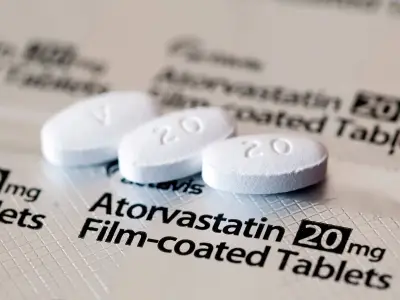
The UK is facing shortages of vital blood pressure and cancer medications, according to the Independent Pharmacies Association (IPA), which represents 5,000 pharmacies across England and Wales. The organisation says the ongoing conflict in the Middle East and the blockade on the Strait of Hormuz have led to various critical drugs running low.
Medications currently on shortage lists include Propranolol, a beta-blocker dispensed over 7.5 million times by the NHS every year, and painkillers for cancer. Britain imports around 75% of its medicines, with the majority of generic drugs coming from India and China.
Impact of Middle East conflict on supply chains
Maritime blockades and airspace closures across the Middle East are adding between 10 and 14 days of transit times to medications, creating delivery backlogs and shortages of certain drugs. Longer shipping routes and geopolitical instability caused by the war have increased overheads, directly inflating the cost of importing medications.
Other basic medical supplies and the base raw materials of drugs also depend heavily on Middle East oil and gas infrastructure.
Pharmacies under financial strain
Dr Leyla Hannbeck, boss of the IPA, told The Telegraph: "Medicine shortages are not improving, and with winter approaching, it is vital that the Government takes this issue seriously before the situation deteriorates further. The conflict in Iran and uncertainty over shipping routes through the Strait of Hormuz have added to concerns about medicine supply chains."
She added: "Pharmacies across the UK are already struggling to access medicines their patients desperately need, while rising prices are putting them under further financial pressure. Too often, pharmacies are left having to source medicines at a loss, placing even greater strain on already stretched businesses."
Calls for prescription flexibility
The Royal College of GPs (RCGP) previously described the shortages as some of the "most severe" health leaders have ever seen, warning that the crisis poses a serious risk to patient safety. In June, the RCGP backed calls to give pharmacists flexibility to alter prescriptions when a medicine is unavailable. Current rules mean patients are forced to return to their GP to get a rewritten note if a certain drug is out of stock.
Professor Victoria Tzortziou Brown, president of the RCGP, said: "Medicine shortages can be frustrating for patients, GPs and pharmacists alike, especially when patients have to endure lots of back and forth to acquire a suitable alternative. At a time when GPs and pharmacists are working under significant pressures, medicine shortages only add to this.
"With appropriate safeguards in place, the college is supportive of pharmacists being able to make limited changes to prescriptions when a medicine is unavailable and a safe, clinically appropriate alternative is available within agreed prescribing guidance. We would also support systems that enable timely communication between pharmacists and GP practices when shortages arise, without creating unnecessary administrative burden.
"The most important thing is that patients are able to access the medication they need safely and without delay. More widely, it's essential that when shortages occur, the underlying causes are quickly identified and resolved."
Drugs currently in shortage in the UK
According to MediWatch, the following drugs are currently in shortage in the UK:
- Propranolol 80mg + 160mg MR capsules
- Venlafaxine 75mg immediate-release tablets
- Ramipril 1.25mg, 2.5mg, 5mg and 10mg capsules
- Lansoprazole 15mg + 30mg orodispersible tablets
- Estradot 25 / 50 / 75 / 100 mcg patches
- Creon 10000 gastro-resistant capsules
- Creon 25000 gastro-resistant capsules
- Diamorphine 5mg, 10mg, 100mg injection
- Genotropin (somatropin) 5.3mg / 12mg reusable pen device
- Co-codamol 30mg/500mg tablets
- Co-trimoxazole oral suspension