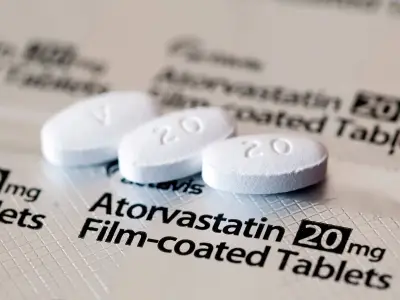
A finger-prick test that measures cholesterol in under seven minutes is available at participating pharmacies and can help identify people at increased risk of a heart attack or stroke, according to a GP. The advice follows a study led by Barts Health NHS Trust, which delivered more than 1,200 tests between January 2025 and February 2026 and found that around one in five people assessed were at high risk of a heart attack or stroke over the next 10 years.
Why cholesterol checks matter
Nearly 170,000 people die in the UK each year of heart and circulatory diseases, which is about 460 deaths per day or one every three minutes, according to the British Heart Foundation. Raised cholesterol, a major cause of heart issues, often remains hidden because it has few symptoms.
GP Dr Asiya Maula, who works at The Health Suite, is urging people to get their cholesterol checked, warning that understanding overall cardiovascular risk is about more than a single number. She says the problem can go unnoticed for years because raised cholesterol does not usually cause symptoms.
Cholesterol is only part of the picture
Dr Maula says the findings highlight the value of looking beyond cholesterol alone. She says: "Cholesterol is an important piece of the puzzle, but it doesn’t tell us everything about someone’s cardiovascular health. We also need to consider blood pressure, family history, lifestyle and other medical conditions."
She adds: "Two people can have the same cholesterol level but very different cardiovascular risks. A check can be a useful starting point for understanding your overall health and deciding whether anything needs further investigation."
The pilot's one-in-five finding relates to the wider cardiovascular risk assessment, not the cholesterol test alone. The broader assessment considers factors including blood pressure and other relevant health information. Depending on the results, pharmacists can offer advice, arrange treatment where appropriate or refer people to their GP.
What a raised reading means
The latest Health Survey for England found that 48 per cent of adults had raised cholesterol in 2024. NHS England also reported that high cholesterol was the fifth most-viewed health condition on its website in 2025, attracting 1.7 million views. However, a raised reading does not automatically mean someone will have a heart attack or stroke; it needs to be considered alongside other risk factors.
Dr Maula said: "If your cholesterol is raised, it’s worth asking what might be contributing to it and whether other aspects of your health need checking. Diet and lifestyle can influence cholesterol, but genetics and other medical conditions can play a role, too. Some inherited conditions, such as familial hypercholesterolaemia, can cause particularly high cholesterol levels and increase cardiovascular risk."
Dr Maula says the next step should be to understand the result rather than make assumptions. She says: "Some people may benefit from changes to their diet and lifestyle, while others may need medication. The important thing is to speak to a healthcare professional who can assess your overall risk and advise on the right approach for you."
People aged 40 to 84 who meet the scheme's eligibility criteria may be able to access a check at participating pharmacies. Availability varies, so check with your local pharmacy before visiting.