
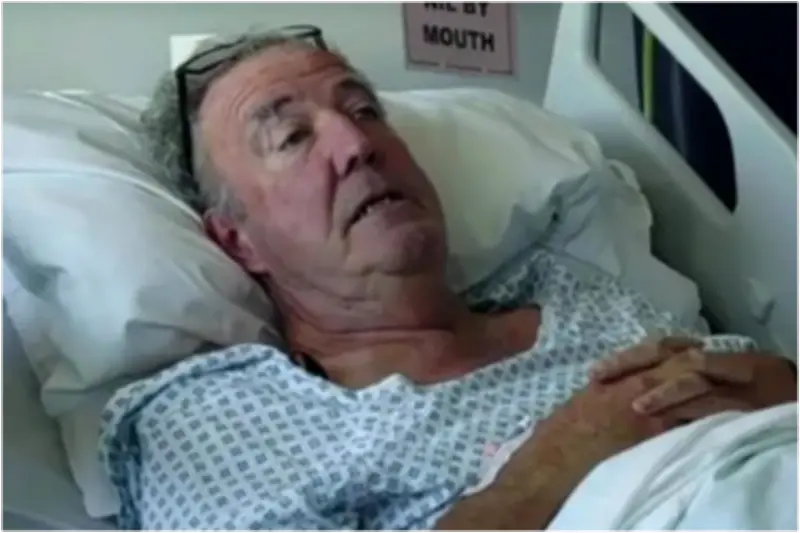
Jeremy Clarkson has revealed he has been diagnosed with an aggressive form of cancer. He disclosed on his series, filmed from late 2024 to September 2025, that he was diagnosed in May last year. He told farmhand Kaleb that ten per cent of his prostate, where the cancer is located, is dead. This news has brought attention to prostate cancer, its symptoms, and treatment options.
What is Prostate Cancer?
Prostate cancer is the most common cancer affecting men and typically develops slowly over many years. Cancer cells begin to grow in the prostate, a small gland located just below the bladder that helps produce semen. Symptoms usually do not appear until the prostate enlarges enough to affect the urethra, the tube that carries urine from the bladder out of the penis. In 2022, 50,751 men were diagnosed with prostate cancer in England.
What are the Symptoms of Prostate Cancer?
The most common symptoms include needing to urinate more frequently and straining to pee. Men may also feel that their bladder has not emptied completely. These symptoms are common and do not necessarily indicate cancer, but they should be checked by a GP.
What Causes Prostate Cancer?
The exact causes of prostate cancer are unknown, but certain factors increase the risk. The likelihood of developing prostate cancer increases with age, with most cases occurring in men over 50. Family history also plays a role; men whose fathers or brothers had the disease are at higher risk. For reasons not yet understood, prostate cancer is more common in black men and less common in Asian men. Obesity is also linked to prostate cancer.
How is Prostate Cancer Diagnosed?
Doctors use several tests to diagnose prostate cancer, including a digital rectal examination (DRE), blood tests, biopsies, and MRI scans. Men may be offered a prostate-specific antigen (PSA) test to check for markers in the blood. High PSA levels may indicate a prostate condition, such as an enlarged prostate or prostate cancer. The PSA test is not used for routine NHS screening because it is not yet reliable enough to detect prostate cancer that requires treatment. However, men over 50 can request a PSA test from their GP.
How is Prostate Cancer Treated?
If prostate cancer is at an early stage and not causing symptoms, doctors may recommend watchful waiting or active surveillance, which involves close monitoring to see if the cancer progresses. Treatments can have side effects, such as erectile dysfunction and increased urination frequency, so slow-growing cancers may simply be monitored. Other treatments include surgical removal of the prostate, radiotherapy alone or with hormone therapy. If the cancer has spread to other parts of the body, such as bones or lymph nodes, it cannot be cured, but treatment can help manage it. This may include hormone therapy to stop testosterone production or prevent it from reaching cancer cells, as prostate cancer usually needs testosterone to grow. External beam radiotherapy may also be used to help some men live longer when combined with other treatments. Drug plans are tailored to each patient, so men should discuss the best options with their doctor.




