
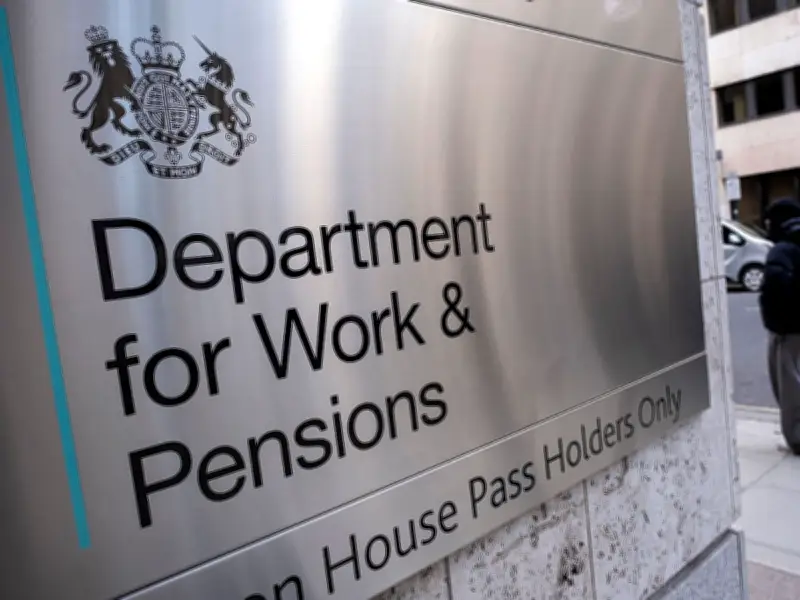
The first full review of Personal Independence Payment (PIP) since its introduction in 2013 has concluded that the disability benefit is 'not fit for purpose', with claimants describing the process as 'dehumanising' and 'degrading'. The Timms Review, based on responses from more than 38,000 people, found that PIP is failing to keep pace with changes in disability, health, and work over the past decade.
PIP: A Benefit Under Scrutiny
PIP is a disability benefit paid by the Department for Work and Pensions (DWP) to help with extra costs caused by long-term disability, ill-health, or when people are approaching the end of their life due to a progressive disease. As of April 2026, more than four million people claim the benefit, which supports those who need help with daily living tasks, particularly people of State Pension age who want to maintain their independence at home.
The interim report, published on Thursday (July 9), is part of the first comprehensive review of PIP since the benefit was introduced in 2013. The review carried out workshops and engagement with disabled people, their organisations, and experts, making it one of the largest co-produced reviews delivered by the government, according to the DWP.
Negative Experiences Overwhelmingly Reported
The report found that while PIP is widely valued as a cash benefit, it is not working as intended for disabled people or wider society. Many disabled people say PIP is vital in helping them meet the extra costs of disability and participate in everyday life. However, others stated that PIP creates barriers to participating fully in work, social, and community life – particularly for people with fluctuating conditions, less visible conditions, or multiple conditions.
The process of claiming was viewed negatively by 90% of respondents and described as at times 'dehumanising', 'degrading', and 'stressful'. The use of supporting evidence was too often inconsistent. Only 5% of responses about the process were positive. The report also revealed low levels of trust in the system and the need for it to be rebuilt for disabled people, those with long-term conditions, and the taxpayer.
Quotes from Review Co-Chairs
Sharon Brennan, co-chair of the Review, said: 'Improving trust in the system – both from the public and those going through the system – is vital if PIP is to be fit and fair for the future. Of those that responded to the steering group’s Call for Evidence, over 90% described negative experiences of the process of claiming PIP, with concerns raised around all aspects of the process from application through to assessment and appeals.'
Dr Clenton Farquharson CBE, co-chair of the Review, added: 'PIP should contribute to disabled people meeting the extra costs of disability and participate in everyday life. What we have heard through this Review is that, while PIP is a lifeline for many people, the system too often fails to understand the reality of people’s lives.'
Sir Stephen Timms, Minister for Social Security and Disability and co-chair of the Review, said: 'This interim report delivers a clear message: while PIP is widely valued as a benefit, it is not working as intended and needs fundamental change.'
Next Steps
The information gathered by the Timms Review will be used to advise the Government on reforming the system – a move due later this year. The Review launched last October with the aim of making sure PIP is fair and fit for the future in a changing world and helps support disabled people to achieve better health, higher living standards, and greater independence, including through employment. The final report is expected to be delivered in the autumn.




