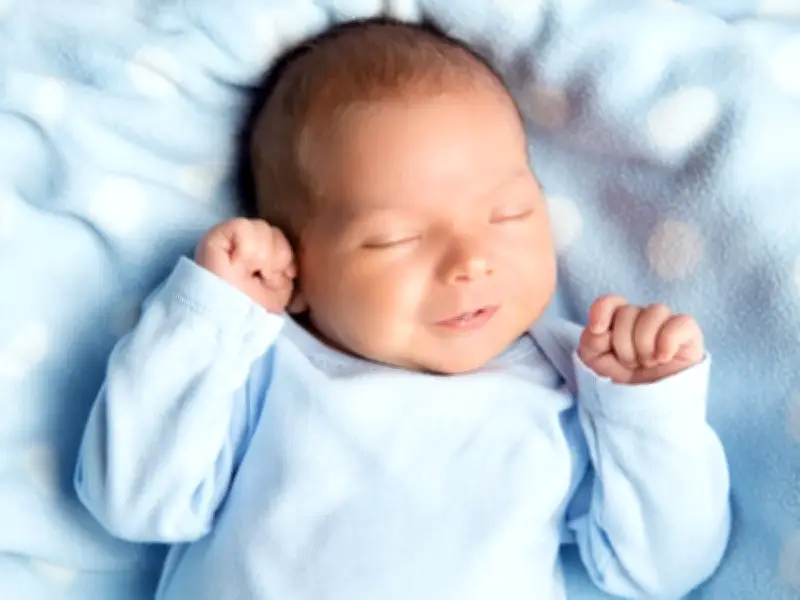
Parents are being urged to follow safe sleep guidelines after a wave of AI-promoted baby travel products, including pillow-like beds and modified breastfeeding cushions, flooded the UK market. These products, often shown in videos featuring AI-generated parents and babies, are designed to hold a baby while a parent sleeps on a plane, but they may increase the risk of Sudden Infant Death Syndrome (SIDS).
Health visitor's urgent warning
In a video shared on Instagram, health visitor Ruth warned: "Guys, we have more AI slop. These videos are all AI; they're not real people, they're not real babies. They are encouraging you to buy something that increases the risk of Sudden Infant Death Syndrome (SIDS) when used exactly as advertised."
She explained that the videos show "AI parents on planes with very young babies, encouraging you to use these [cushions] to put your baby to sleep while you sleep on the plane. This is not conducive to safe sleep." Ruth advised parents to research products thoroughly, follow instructions, and adhere to safe sleep guidelines.
Safe sleep guidance and travel tips
According to The Lullaby Trust, planning ahead is vital for creating a safe sleep environment on the go. A traditional cot, travel cot, or Moses basket is always the safest option. For flights, Ruth suggested: "For a lot of long-haul airlines, you can pre-book a bassinet that sits right in front of you, providing a safe, firm, flat, waterproof place for your baby to sleep."
She stressed the dangers of falling asleep while holding a baby on a flight, noting that both the NHS and The Lullaby Trust state that sleeping with a baby on a sofa or armchair increases SIDS risk by up to 50 times, and a plane seat poses the same hazard. Ruth added: "The risk of SIDS is very high if you fall asleep sitting in a plane seat with your baby on you."
Official NHS and Lullaby Trust advice
The NHS advises against using sleeping pods, nests, or soft cocoons, as padded edges and non-flat materials trap body heat and hinder temperature regulation, a known SIDS risk factor. The Lullaby Trust echoes this, warning that soft, cushioned sides and non-flat surfaces restrict airflow and can be fatal.
The NHS recommends babies always sleep on their back on a firm, flat, waterproof mattress in a clear cot or Moses basket. It adds: "Keep the sleep area completely free of pillows, duvets, bumpers, soft toys, and loose bedding. If using a sleeping bag, ensure it fits properly around the shoulders so the baby's head cannot slip down inside."
For car seats, UK guidelines advise the "two-hour rule," as a baby's semi-upright position can restrict airways. Ruth suggested tag-teaming with a companion or pre-ordering a bassinet as safer alternatives for flights.