
A legionnaires' disease outbreak that has sickened dozens of people in New York City has claimed its first life, health officials said Friday. Officials did not release additional information about the person's identity, age, or details on when and how they fell ill.
Outbreak Details and Investigation
Investigators are still trying to pinpoint the source of the outbreak on Manhattan's Upper East Side that has infected at least 67 people and hospitalized dozens, according to city health department data. Much of the scrutiny has focused on the air-conditioning systems atop many large buildings, which can release water vapor carrying the bacteria.
City officials began tracking the current outbreak on 2 July, after two people were infected in the area. The city says tests have identified either living or dead Legionella bacteria – the microorganisms that cause the disease – in cooling towers on more than 75 Upper East Side buildings. They include prominent museums, private schools, and pricey apartment houses.
Buildings Affected and Response
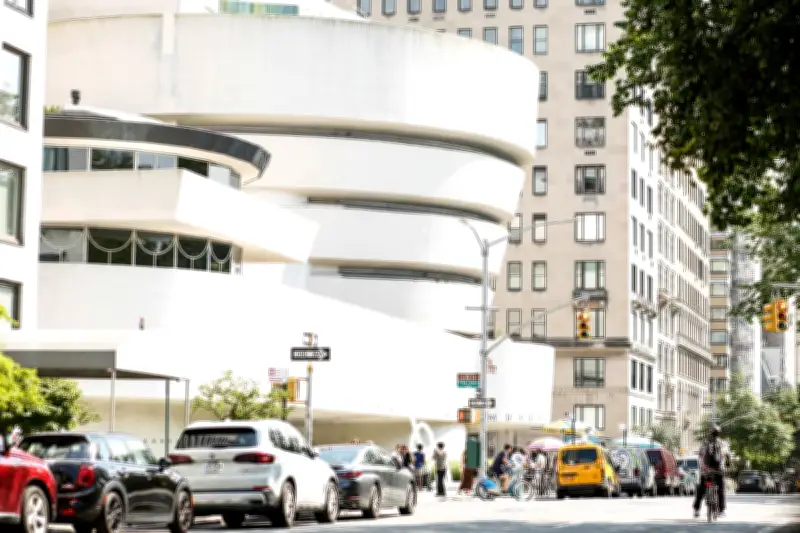
It is not yet clear which, if any, of them contributed to the outbreak, but all the buildings were ordered to clean, drain, and disinfect the cooling towers, which are devices sometimes used to cool large buildings. The Guggenheim Museum was among 31 buildings on the Upper East Side whose cooling towers tested positive for Legionella bacteria.
Legionnaires' Disease Facts
Legionnaires' disease, a form of pneumonia, is treatable but kills about 10% of patients, according to the US Centers for Disease Control and Prevention. Last year, seven people died and more than 100 were sickened during an outbreak in New York's Harlem neighborhood. Legionella bacteria grow in warm water and can spread in cooling towers, hot tubs, and showerheads. In many cases, people contract the disease by inhaling tiny droplets of contaminated water. Legionnaires' disease does not spread person to person.




