
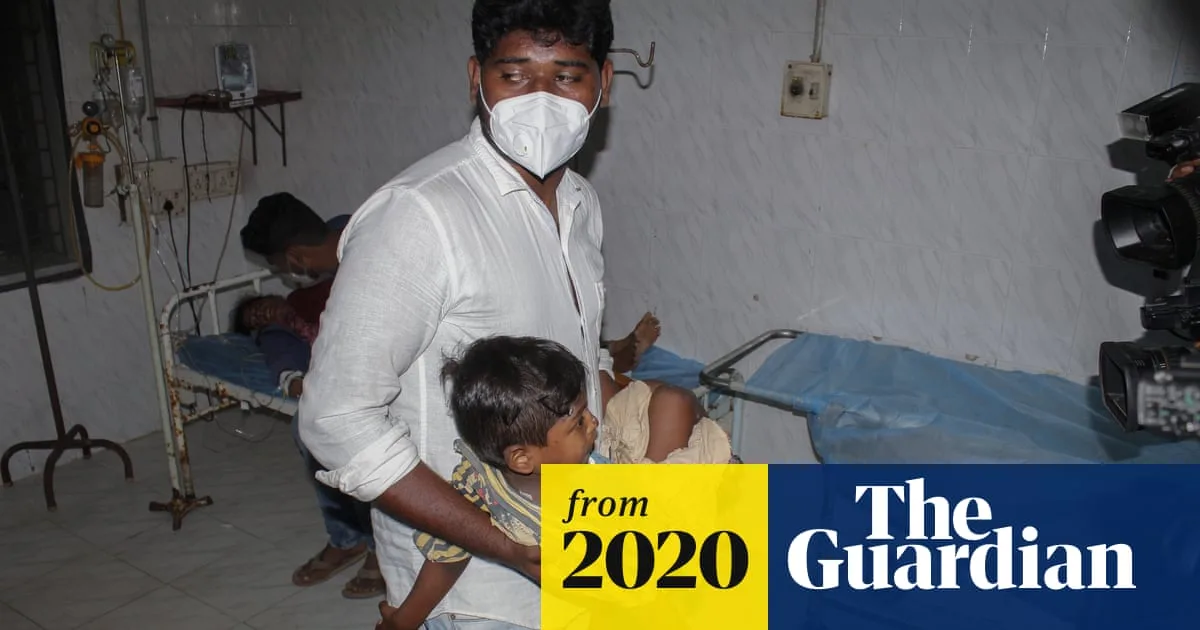
An outbreak of a mystery illness in early December in the south Indian city of Eluru saw more than 560 people hospitalised, most of them children, with symptoms similar to epilepsy. The Andhra Pradesh state government later attributed the illness to pesticide residue in water, but also found high heavy metal content in local milk and dangerous levels of mercury in surface water.
Lead poisoning in India is a longstanding public health issue, with a study by Unicef and NGO Pure Earth finding India to be the most affected country. Dr Ipsita Mazumdar from Kolkata's KPC Medical College tested popular spices including turmeric, chilli, cumin, curry powder, garam masala and chat masala, and found that lead chromate was added to turmeric to brighten its colour and lead oxide to chilli powders for a rich red hue.
Lead exposure is particularly harmful to children under five, who absorb 4–5 times more of the toxic metal than adults, causing long-term physical, cognitive and neurological damage. In urban areas, improper recycling of lead acid car batteries also causes toxic material to leach into the ground, with Pure Earth identifying over 700 potentially toxic sites in India.
India's high goods and services tax of 28% on batteries is one reason they end up with small scrap dealers who lack safe processing means. Experts call for greater awareness and regulation to address this hidden hazard.




