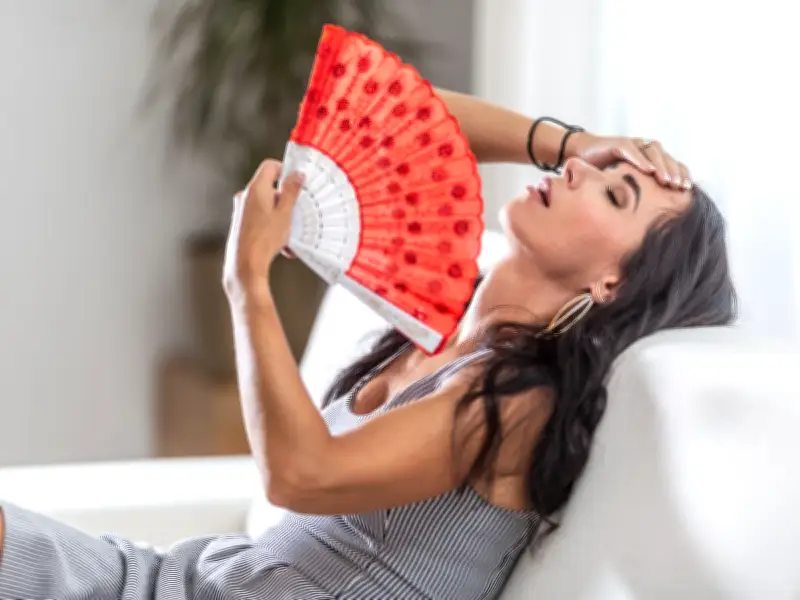
As the UK endures an unprecedented heatwave with temperatures forecast to reach 40°C on Wednesday, June 24, the Met Office has issued a rare red weather warning covering large parts of the country until 11pm on Thursday, June 25. In response, social media has been flooded with viral cooling hacks, most notably the suggestion to tape aluminium foil to windows to reflect heat. But does this trick actually work? And what about the advice to keep windows closed during the day? We put these claims to the test.
Does tin foil on windows really keep heat out?
Express.co.uk reporter Alex Evans decided to try the tin foil hack himself. He taped kitchen foil to the windows of his home office at night, in preparation for the scorching heat the next day. Comparing the temperature in that room to other areas of his home, he observed a "noticeable difference."
"I walked into this room at about midday and honestly, it was a noticeable difference. No lie, it's definitely the coolest part of the house," Evans said. "For a little cross comparison, I put the thermostat in the unfoiled dining room downstairs and within 30 minutes it said 36°C. I brought it back upstairs and put it in the office and it dropped instantly to 31°C in here. It's definitely a bit cooler in there than it would have been without the foil."
Experts recommend taping the foil to the outside of windows rather than the inside, to prevent the glass from overheating and potentially cracking.
Should windows be kept open or closed during a heatwave?
Contrary to instinct, keeping windows closed during the hottest part of the day can help keep your home cooler. Angus Struthers, Managing Director at heating and cooling specialists BOXT, explains: "Opening windows at the wrong time can actually make your home hotter. A lot of people throw every window open the second it gets hot, but if the air outside is warmer than the air inside, you're just letting more heat into the house. It's better to keep windows shut throughout the hottest part of the day and then open them up later in the evening once things cool down."
British Gas engineer Peter Knowles echoes this advice: "Keep windows closed during the day. It might feel contradictory, but during the daytime, it's best to keep windows closed to prevent warm air from entering your home. If you've got light-coloured curtains or blinds in heavier fabrics, they can also be effective at blocking heat, if they're kept closed."
Common heatwave mistakes people make
Beyond window management, several common mistakes can inadvertently raise indoor temperatures. One major error is using heat-generating appliances during the hottest hours. Struthers warns: "Everyday appliances quietly raise indoor temperatures. Obviously, we've all still got households to run during a heatwave, but appliances like tumble dryers, dishwashers, ovens and even gaming PCs generate extra heat, which can really add up, especially in smaller homes or flats. It's worth avoiding these kinds of heat producing appliances during the hottest part of the afternoon."
Another mistake is relying on fans incorrectly. "Fans don't lower room temperature. They may make you feel cooler, but they don't actually lower the temperature of the room," Struthers says. "If the room is already really hot and there's no airflow, a fan will just end up pushing warm air around and making you even more flustered. If you try using it alongside proper ventilation, like near an open window in the evening, it will help pull cooler air inside once temperatures outside start to drop."
Real-world test: Keeping windows closed
Our own writer tested the closed-window method. With a floor-to-ceiling window in the living room, she closed the windows and drew the blinds from morning onwards, relying on a cooling tower fan for air circulation. She reports that the room remained noticeably cooler than on previous days when windows were left open. However, she notes that this method may be less effective without a fan or other means of air movement.
Jason Peterkin, CEO and founder of 247 Blinds, adds: "My top tip is to start by managing how much heat enters your home during the day. By closing your windows, which does sound slightly bizarre, and keeping your blinds drawn during the hottest part of the day, it helps prevent warm air and direct sunlight from raising a room's temperature."
In summary, both tin foil on windows and keeping windows closed during the day can help reduce indoor temperatures during a heatwave, especially when combined with other measures like using fans strategically and avoiding heat-producing appliances.