
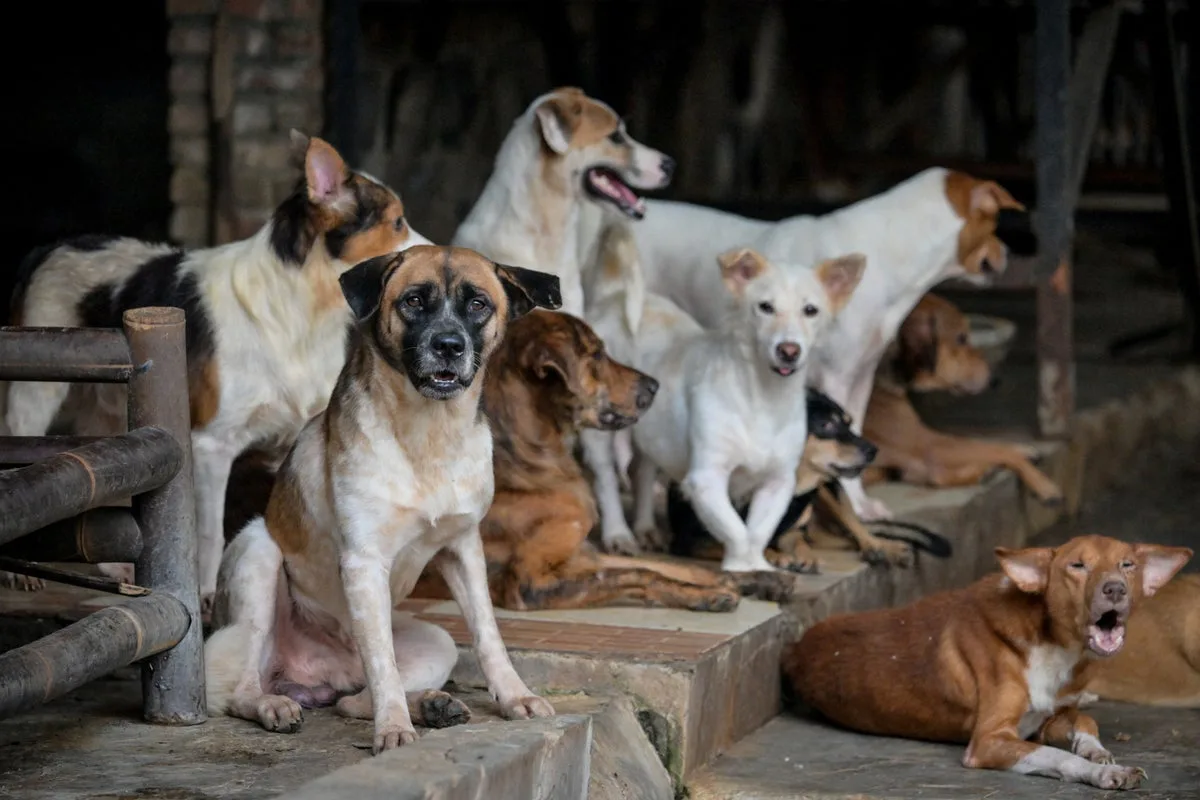
Jakarta has outlawed the sale and consumption of dog, cat, and bat meat, introducing one of Indonesia’s most comprehensive measures to combat rabies and regulate its controversial meat trade. Governor Pramono Anung signed the prohibition into force on 24 November, with officials later confirming the ban is now active.
The new regulation bars the sale of any rabies-transmitting animals for food, including dogs, cats, monkeys, bats, civets, and similar species. It covers live animals, carcasses, and raw or processed products. Mr Anung said the measure fulfilled a commitment to animal welfare activists who petitioned him in October, prompting him to act swiftly.
The ban introduces a graduated enforcement system. First-time offenders receive a written warning, and any animals or meat found are seized for observation, particularly if rabies signs are present. A second breach triggers full confiscation, continued violations can lead to business closures, and further non-compliance may result in permanent licence revocation. A six-month grace period applies before active enforcement begins, allowing businesses to adjust.
Indonesia remains one of the few countries where dog or cat meat is still sold, though public opposition has grown. Dogs are considered unclean under mainstream Islamic teaching, but dog meat persists as a delicacy in some communities. Rabies remains a significant public health concern, with dozens of deaths annually. The Jakarta administration says the regulation strengthens public health safeguards and reduces virus spread.
Animal rights groups hailed the move as a major breakthrough. Dog Meat Free Indonesia told AFP the policy “aligns with the mandate of the constitution to protect all Indonesian people and to become a just and civilised nation”. The governor stated on Instagram: “I hope this helps protect and improve the health of Jakarta residents.”




