
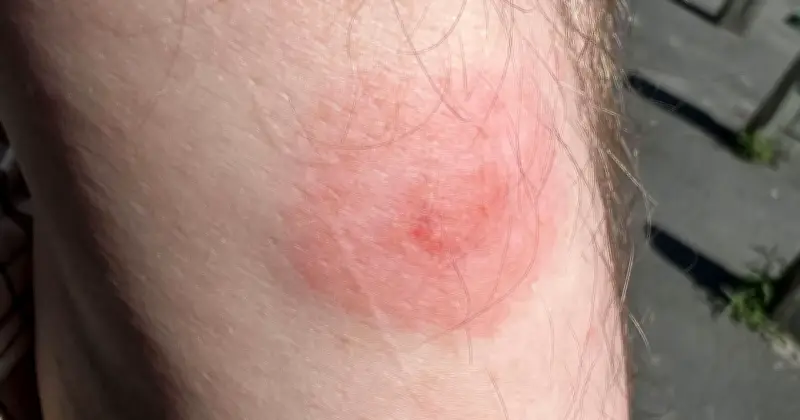
A GP has warned Brits to be vigilant over one thing this summer, as warm temperatures and frequent rain are leading to the perfect conditions for ticks to thrive. Lyme disease, caused by tick bites, could become more common in the UK during summer 2026 due to the weather.
While the UK is relatively safe regarding insect-borne diseases, experts are issuing fresh warnings. The UK Health Security Agency (UKHSA) states that Lyme disease remains the most common vector-borne disease in England, with over 1,000 cases recorded last year.
When Brits are out and about, especially near long grass and forested areas, they should be aware of ticks and the potential diseases they carry.
GP Advice on Tick Bites
Dr Suzanne Wylie told The Metro: "Higher temperatures and spells of rain create the damp conditions ticks need to survive and remain active. So, people may be more likely to encounter ticks in long grass, woodland, heathland and other green spaces."
"The good news is that the overall risk of developing Lyme disease remains relatively low, and not every tick carries the bacteria responsible for the infection," she added. "However, it's important not to dismiss symptoms if they develop after a bite."
Symptoms of Lyme Disease
According to the NHS, Lyme disease is easier to treat if identified early. The most obvious early symptom can be a circular or oval-shaped rash around a tick bite, appearing within one to four weeks, but can take up to three months.
The rash may have a darker or lighter area in the centre and might gradually spread. On white skin, it looks pink, red, or purple; on darker skin, it may appear as a bruise.
Other symptoms include:
- Flu-like symptoms such as a high temperature, feeling hot, cold, or shivery
- Headache
- Muscle and joint pain
- Tiredness and loss of energy
More severe symptoms that may develop if Lyme disease is left untreated for months or years include:
- Pain and swelling in joints
- Nerve problems such as pain or numbness
- Heart problems
- Trouble with memory or concentration
How to Remove a Tick
If you have been bitten by a tick, follow these steps:
- Use fine-tipped tweezers or a tick-removal tool.
- Grasp the tick as close to the skin as possible.
- Slowly pull upwards, taking care not to squeeze or crush the tick.
- Clean the bite with antiseptic or soap and water.




