
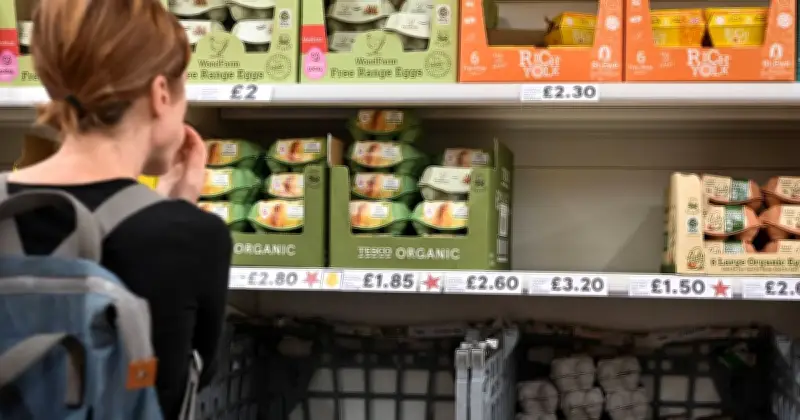
The debate over whether eggs should be stored in the fridge has been settled by experts from the BBC and the UK Food Standards Agency (FSA). Many people leave eggs on the kitchen counter in their carton, especially since supermarkets often display them on shelves rather than in chilled cabinets. However, this practice is not recommended for home storage.
Official Guidance on Egg Storage
The BBC Good Food website states: "In the UK, eggs are often found on supermarket shelves rather than in chilled cabinets. At home, however, it's best to store eggs in the fridge to maintain a consistent temperature and reduce the risk of salmonella. Keep them in their original box or in a separate covered fridge compartment to protect them from absorbing strong odours and flavours from other foods."
The UK Food Standards Agency echoes this advice: "Store raw eggs in the fridge below or separately to ready-to-eat food until you use them. Storing eggs at a constant cool temperature will help to keep them safe." The FSA also reminds consumers to use eggs within their 'best before' date and to freeze them if needed for later use.
Benefits of Refrigeration
- Safety: A constant temperature prevents the growth of Salmonella bacteria.
- Freshness: Cold temperatures slow down natural deterioration, keeping eggs fresher longer.
- Consistency: Kitchen temperatures fluctuate due to cooking and heating, which can degrade egg quality.
Best Practices for Storing Eggs
- Keep them in the box: The original carton protects eggs from strong odours and prevents moisture loss.
- Use the fridge body: Store eggs on the middle or lower shelf where the temperature is most stable, not in the door.
- Avoid temperature shock: If baking, take eggs out about 30 minutes before use to bring them to room temperature.
Other Fridge Dilemmas: Condiments
BBC Good Food also addresses whether sauces like ketchup, mayonnaise, and soy sauce need refrigeration. "You may think that every sauce should head straight to the fridge after opening, but not all condiments are created equal. Some sauces, like mayonnaise, do require refrigeration once opened. Others, such as many vinegars, soy sauce and some hot sauces, are perfectly happy in the cupboard thanks to their high acidity or salt content. Always check the label for storage instructions – if it says ‘refrigerate after opening’, follow that advice. Otherwise, a cool, dark cupboard is often sufficient."




