
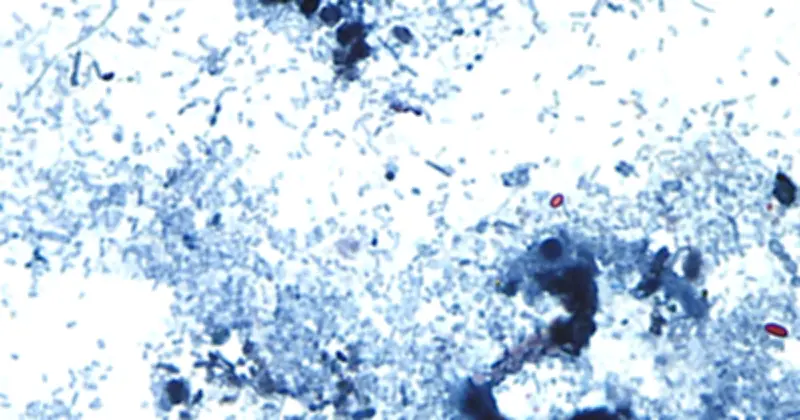
The US Centers for Disease Control and Prevention (CDC) has confirmed 843 domestic cases of cyclosporiasis across 31 states since May 1, 2026, with 86 hospitalizations and no fatalities reported as of July 10. The illness, caused by the microscopic parasite Cyclospora, typically results in watery diarrhea with frequent and sometimes explosive bowel movements, according to the agency.
Outbreak Details and Hospitalizations
In an update on July 10, the CDC reported that an additional 1,500 cases require further analysis to confirm domestically acquired cyclosporiasis. Among the confirmed cases, 86 people were hospitalized, but no deaths have been recorded. Furthermore, 343 cases across 32 states were linked to travel outside the US within 14 days before symptom onset; 18 of those travelers were hospitalized, with no deaths.
Michigan is the worst-hit state, with 572 cases reported as of July 4. The Michigan Department of Health and Human Services warned that while cyclosporiasis is not normally life-threatening, dehydration from frequent diarrhea can cause severe illness, particularly in young children, older adults, and immunocompromised individuals.
Transmission and Prevention
Cyclospora is transmitted through food or water contaminated with feces from an infected person. The CDC notes that routine chemical disinfection or sanitization of food or water is unlikely to kill the parasite, especially in endemic tropical and subtropical regions. Safe food handling practices, such as thorough washing of fresh produce, are recommended to reduce risk.
Previous outbreaks in the US and Canada have been linked to green onions, fresh basil, raspberries, snow peas, cilantro, and bagged salad mixes. The parasite can hide in crevices of fresh produce, so careful cleaning is advised.
Investigations and Travel Advice
State and federal partners are investigating several outbreaks to identify sources of illness. The CDC advises travelers to cyclosporiasis-endemic areas to avoid potentially contaminated food and water. The UK's National Health Service notes that Cyclospora is not found in the UK but poses a risk during travel to certain regions.




