
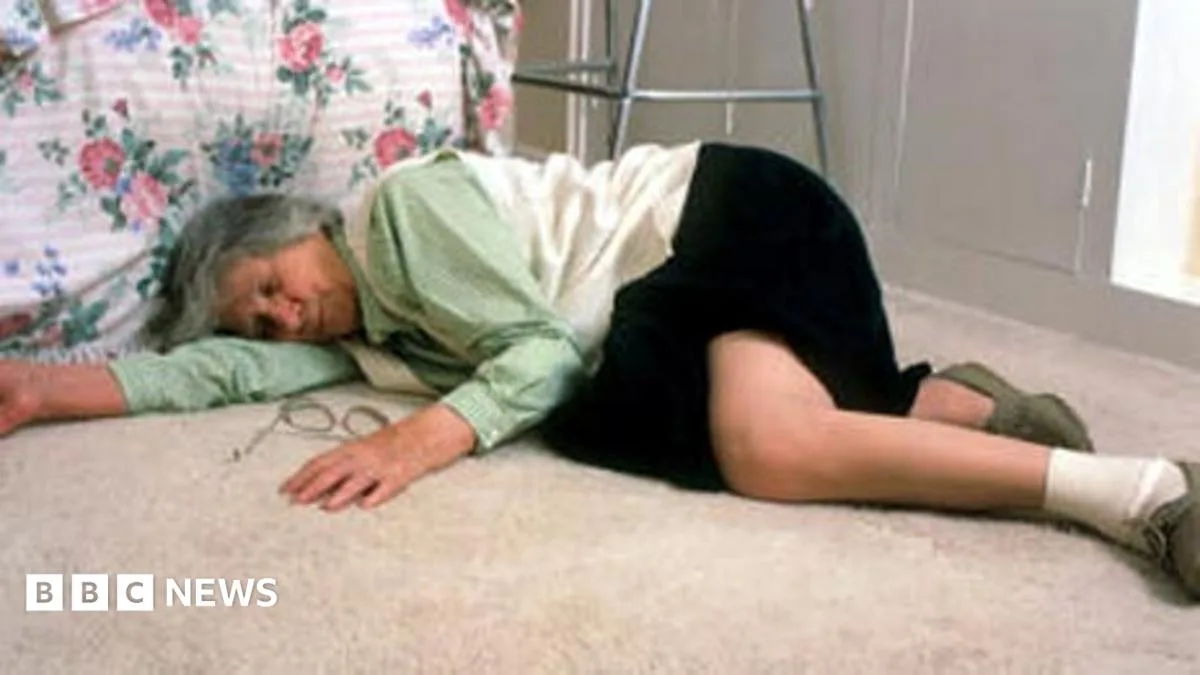
Elderly people with dementia are three times more likely to suffer falls resulting in injury if they are prescribed selective serotonin re-uptake inhibitors (SSRIs), according to a study published in the British Journal of Clinical Pharmacology.
Researchers from Erasmus University Medical Center in Rotterdam monitored 248 nursing home residents with an average age of 82 over two years. Of these, 152 residents experienced a total of 683 falls, with 220 falls causing injuries such as hip fractures and other broken bones. One resident died following a fall.
The study found that the risk of an injury-causing fall was three times higher in those taking SSRIs compared with non-users. The risk increased further when patients were also given sedative drugs. Lead researcher Dr Carolyn Sterke advised caution: 'Physicians should be cautious in prescribing SSRIs to older people with dementia, even at low doses.'
Professor Clive Ballard from the Alzheimer's Society described the findings as 'worrying' and called for more research into alternative treatments for depression in dementia patients. 'One in three people over 65 will die with dementia yet research into the condition continues to be drastically underfunded. We must invest now,' he said.




