
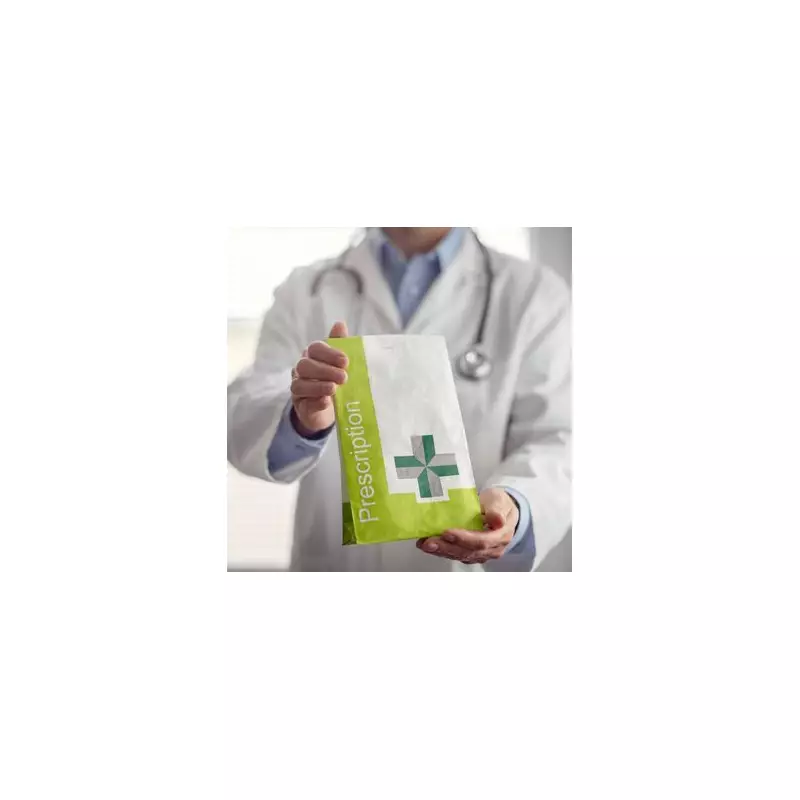
Struggling to secure a timely appointment with your doctor? The NHS is now directing patients with several common health complaints to their local pharmacy instead, in a major push to free up GP waiting lists.
What is the Pharmacy First Scheme?
Launched in 2024, Pharmacy First is a flagship NHS England service that empowers community pharmacists to manage treatment for a selection of common conditions. The initiative is designed to reduce demand on general practitioners for less urgent cases, offering the public quicker and easier access to safe, high-quality care.
In a recent social media alert, the NHS urged people to reconsider their first port of call for medical help. "Your pharmacist can provide treatment or some prescription medicine, if needed, for seven common conditions - without you seeing a GP," the health service stated. "Think pharmacy first and get seen by your local community pharmacy team."
The Seven Conditions Covered
The scheme specifically covers the following seven ailments, which can now be assessed and treated directly by a qualified pharmacist:
- Sinusitis
- Sore throat
- Earache
- Infected insect bite
- Impetigo (a bacterial skin infection)
- Shingles
- Uncomplicated urinary tract infections (UTIs) in women
It is crucial to be aware that treatment options can depend on your age. For instance, under the current Pharmacy First rules, shingles treatment is only available for adults aged 18 and over, though age criteria may differ for other conditions on the list.
How to Access the Service
Accessing treatment is straightforward. The Department of Health and Social Care clarified in 2024 that you can walk into a participating pharmacy or contact them virtually. Furthermore, GP receptionists, the NHS 111 helpline, and emergency care providers have been instructed to direct suitable patients to pharmacies offering the service.
During a consultation, the pharmacist will be able to speak with you privately, often in a separate room. They may conduct a brief examination and, with your consent, access relevant parts of your medical records to inform their decision.
Based on an individual assessment, the pharmacist can recommend the best course of action, which includes issuing prescriptions for antibiotics or antivirals where clinically necessary.
It is important to note that similar Pharmacy First schemes operate in Scotland, Wales, and Northern Ireland, each with potentially slightly different parameters.
Other Avenues for NHS Advice
For other health concerns, the NHS 111 service remains available 24 hours a day, 365 days a year, including Christmas and Boxing Day. Contact is typically free from both landlines and mobiles, and the service can also be accessed online via the NHS website or app.
After an assessment, 111 professionals can connect you to a nurse, doctor, or paramedic, and may direct you to an urgent treatment centre, an out-of-hours GP, or A&E if required. However, the service cannot issue fit notes or manage appointments elsewhere in the NHS.
The NHS emphasises that for life-threatening emergencies such as suspected strokes, heart attacks, or serious accidents, the public should always dial 999 immediately.
By utilising community pharmacies for these seven specific conditions, patients can receive faster treatment while helping the NHS manage precious GP resources more effectively.




