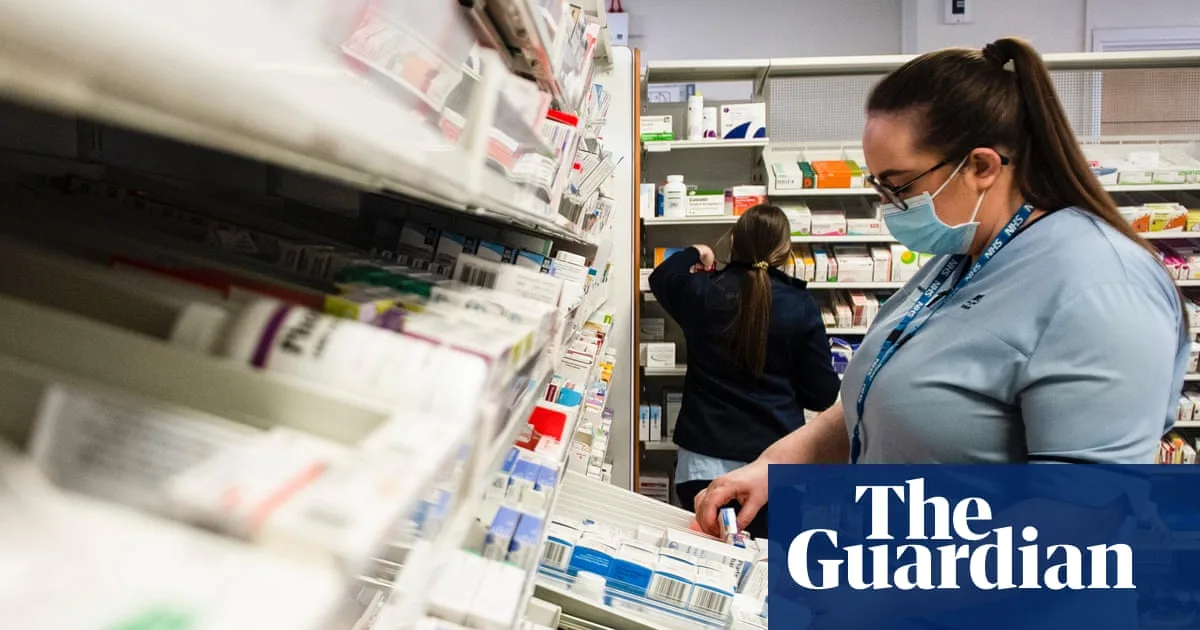
Ministers are preparing to raise the amount the NHS pays pharmaceutical firms for medicines by up to 25% after weeks of intensive talks with the Donald Trump administration and drugmakers. Labour has drawn up fresh proposals to end a standoff with the industry over drug pricing, including changing the cost-effectiveness thresholds under which new medications are assessed for use on the NHS, according to industry sources.
The row has been cited as one of the reasons why big companies in the sector, including MSD (known as Merck in the US) and AstraZeneca, have cancelled or paused investments in the UK in recent weeks, while ramping up investments in the US. The Department of Health and Social Care is in a standoff with the Treasury and No 10 on how to fund the deal, with Downing Street resisting pressure to commit new funds for medicines in next month’s budget.
The main element of the plan is thought to include raising the National Institute for Health and Care Excellence (Nice) cost-effectiveness threshold by 25%, which has been unchanged since 1999. Under current rules, Nice considers a medicine costing between £20,000 and £30,000 for every extra year of good-quality life it provides a patient to represent good value for money for the NHS. The Association of the British Pharmaceutical Industry has reiterated its call for “urgent action” on drug pricing, saying the Nice threshold should be increased as soon as possible in line with inflation to between £40,000 and £50,000, and index-linked thereafter.

In talks over the summer, Wes Streeting, the health secretary, proposed a deal that would save the pharmaceutical industry £1bn over three years, with billions more promised over the coming decade. But the industry argued that it was forecast to make repayments totalling £13.5bn over the same period and has been demanding about £2.5bn a year extra. A government source said ministers were prepared to spend more on medicines as they increasingly became more innovative and preventive.
The Liberal Democrats immediately criticised the move, first reported by Politico, asking how much it would cost and whether it would lead to cuts elsewhere in the NHS. The patient-led campaign group Just Treatment called it “deeply troubling news for patients and the NHS”, adding: “We are at risk of importing America’s disastrous drug pricing crisis.” The NHS spent £20.6bn on medicines and medical devices in 2023-24, up from £19.2bn the year before.