A stark financial disclosure from the world's largest pharmaceutical company has thrown fresh fuel on the fiery debate over exorbitant medicine costs in the United States. In 2024, the American drug giant Pfizer allocated a mere 18% of its total revenue to internal research and development. In a striking contrast, 27% of its revenue was funnelled to shareholders through dividends and debt repayment.
Trump's Misplaced Blame on Foreign Allies
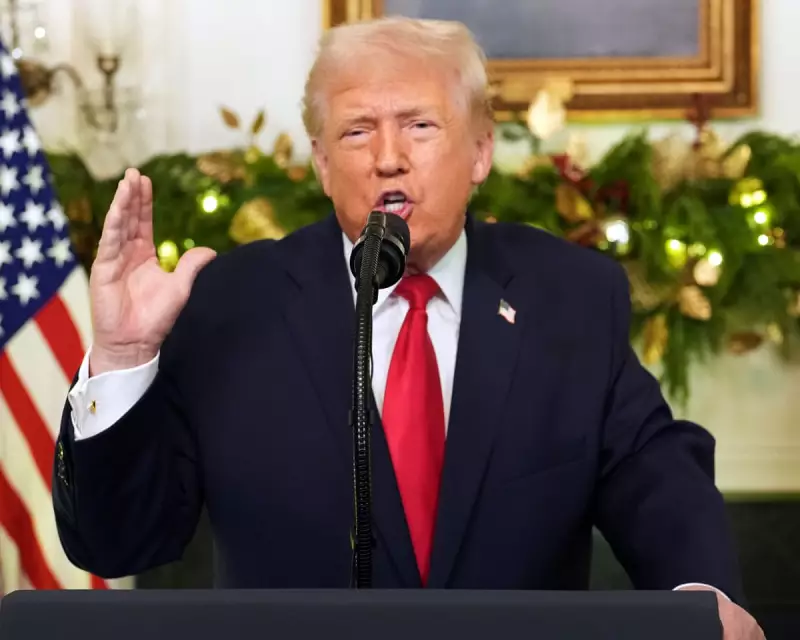
The figures emerge amidst a renewed political focus on healthcare affordability. Former President Donald Trump, speaking in December, claimed Americans pay too much for drugs because countries like France, Germany, and Japan secure cheaper deals, effectively freeloading on US innovation. He promised nonsensical price cuts while threatening to strong-arm allies into paying more.
While Trump correctly identifies the US system as a public health failure—with millions struggling to afford essentials like insulin—experts argue his diagnosis is fundamentally flawed. The high prices are not a subsidy for the world but a result of a system that allows pharmaceutical companies to charge what the market will bear, prioritising investor returns.

The Global Patent System and Its Profiteers
The current model was cemented in the 1990s through stringent global intellectual property rules, notably the TRIPS agreement. This framework, championed by wealthy nations, created a patent regime that delivered huge profits for pharmaceutical investors—over $1.5 trillion between 2000 and 2018—while restricting access and driving up prices worldwide.
Today, that model is showing cracks. Innovation judged by experts as truly transformative is rarer, with companies increasingly focusing on ultra-expensive treatments for niche patient groups. Simultaneously, the share of revenue dedicated to R&D is falling as payouts to investors rise, as Pfizer's 2024 breakdown clearly demonstrates.
The Rise of New Competitors and a Peak in Profits?
Challenges are also coming from outside the traditional Western-dominated system. China has built a formidable state-backed pharmaceutical industry, producing 3.4 billion Covid-19 vaccine doses in 2021-2022 alone without relying on Western patents. Even nations like Cuba developed their own vaccines through state-controlled biotech.
From Washington's perspective, this suggests pharmaceutical profits may have peaked. Facing such pressure, US industry seeks others to pay, with Trump's rhetoric targeting allied governments rather than corporate boardrooms. His proposed solution—forcing Europe and Asia to pay more while lowering US prices—protects corporate interests and exports the problem to allies with limited power to resist.
This strategy places governments in Europe and Japan in a difficult bind. Their domestic drug firms have long lobbied for US-style prices, which would swiftly overwhelm public healthcare systems and provoke voter backlash. Ultimately, the debate highlighted by Pfizer's spending priorities isn't about global fairness but about a political economy that prioritises shareholder returns over both medical innovation and public health.