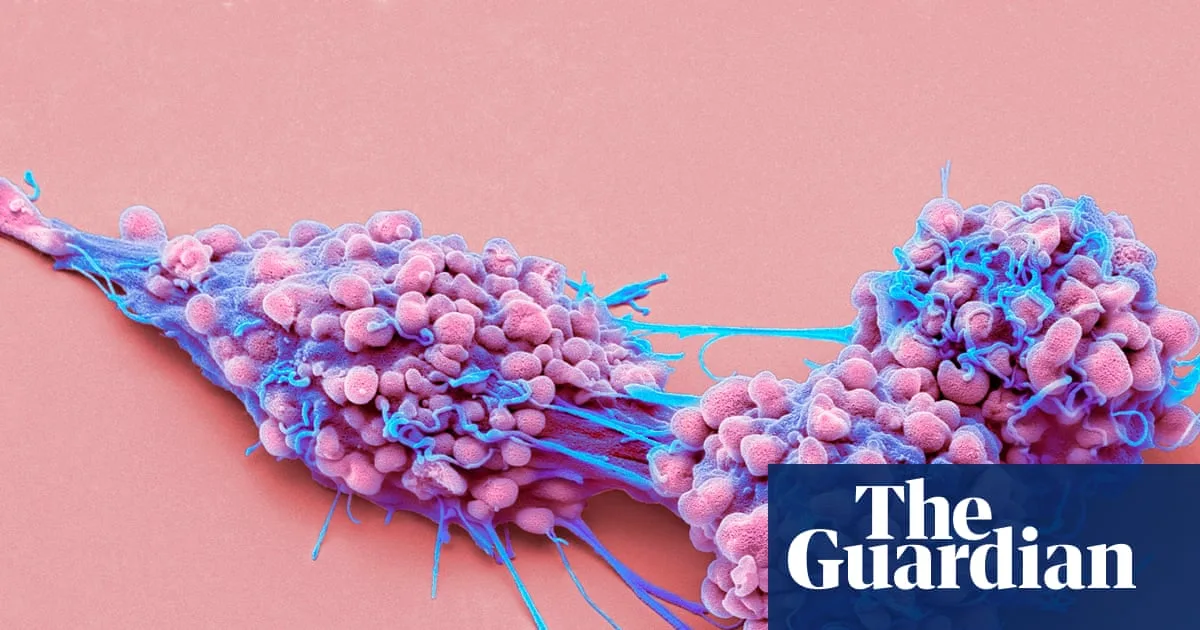
Hundreds of women in England with hard-to-treat ovarian cancer are set to benefit from a new drug, Elahere (mirvetuximab soravtansine), which has been approved by the National Institute for Health and Care Excellence (Nice) for NHS use. This is the first new treatment for chemotherapy-resistant ovarian cancer to be approved in over 20 years.
Ovarian cancer is the 18th most common cancer globally, affecting more than 300,000 women annually. Over three-quarters of patients are diagnosed at an advanced stage, and about 80% of those with advanced disease eventually develop resistance to standard chemotherapy. Until now, patients with folate receptor-alpha-positive platinum-resistant epithelial cancers have had limited options.
Elahere is administered intravenously every three weeks and targets the FRα protein found on the surface of cancer cells. Clinical trials involving eight NHS hospitals showed that the drug delayed cancer progression and prolonged survival by an average of four months compared to chemotherapy alone, with more manageable side effects. Tumours shrank by at least 30% in 37% of patients, versus 16% with chemotherapy.
NHS England estimates that up to 400 women per year could benefit from the treatment. Professor Ruth Plummer, NHS England’s national clinical lead for cancer drugs, described the approval as “the most significant breakthrough in NHS treatment for these hard-to-treat ovarian cancers in over two decades.”
Charities have welcomed the decision. Rachel Downing of Target Ovarian Cancer called it “a hugely important moment,” while Victoria Clare of Ovacome said it “marks a landmark moment” offering hope at a critical stage of the disease. Nice’s Helen Knight noted that the approval followed a robust process and a new commercial arrangement with manufacturer AbbVie.