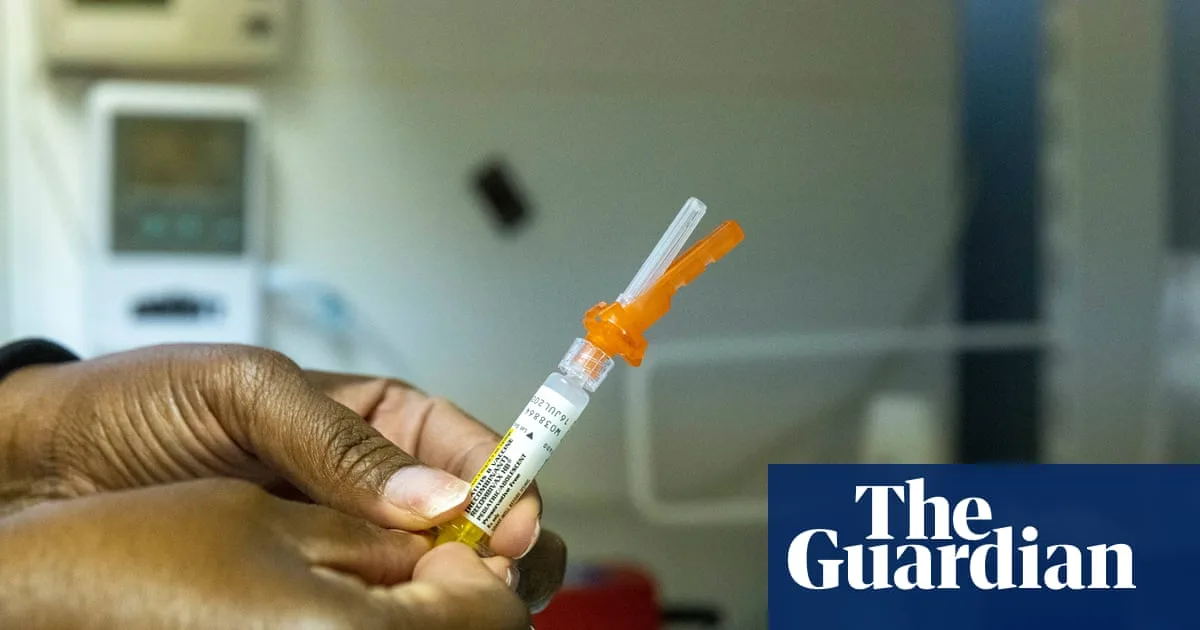
Guinea-Bissau's health minister, Quinhin Nantote, has confirmed the suspension of a US-funded hepatitis B vaccine study, citing inadequate scientific review. The trial, led by Danish researchers, aimed to compare vaccination at birth versus at six weeks in 14,000 infants, but drew criticism for withholding the vaccine from a control group.
The Africa Centres for Disease Control and Prevention (Africa CDC) will send experts to assist Guinea-Bissau's review. Director-General Jean Kaseya emphasised national sovereignty, stating: 'It's the sovereignty of the country.' He added that the final decision rests with Guinea-Bissau's health ministry.
US health officials, however, dispute the suspension. Andrew Nixon of the Department of Health and Human Services said the trial would proceed as planned, calling the Africa CDC's claims a 'public-relations campaign'. The Africa CDC rejected this, highlighting its role in outbreak response.
The study has sparked broader ethical debates. Nigerian researcher Abdulhammad Babatunde criticised the design, comparing it to the Tuskegee syphilis study, and argued that control groups should receive the standard of care. The World Health Organization recommends hepatitis B vaccination within 24 hours of birth, but Guinea-Bissau currently administers it at six weeks due to funding constraints.
Babatunde urged African nations to support Guinea-Bissau in maintaining sovereignty and protecting children. Duke University's Gavin Yamey stressed that the health ministry's voice is paramount in deciding the study's future.