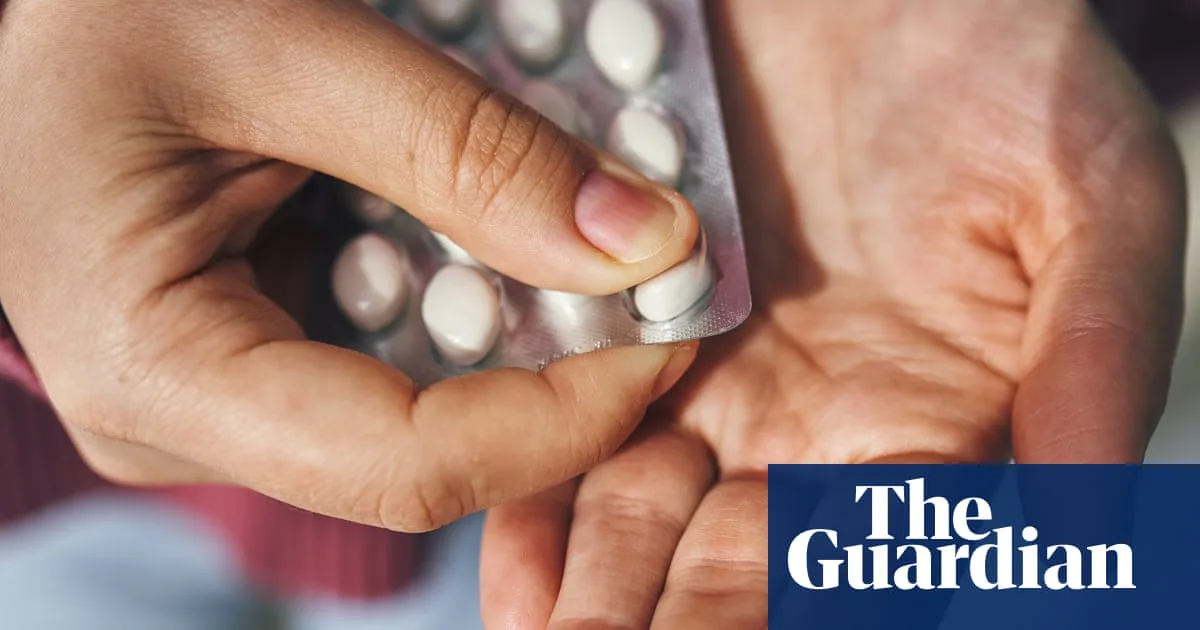
A new daily pill for type 2 diabetes has shown greater weight loss than existing oral semaglutide in a clinical trial, potentially offering a more effective non-injection alternative to popular GLP-1 drugs like Wegovy and Mounjaro. The drug, orforglipron, manufactured by Eli Lilly, targets the same GLP-1 receptors as semaglutide but does not need to be taken on an empty stomach.
The phase 3 Achieve-3 trial, funded by Eli Lilly, involved over 1,500 adults with type 2 diabetes across 131 centres in Argentina, China, Japan, Mexico, and the US. Participants received either 12mg or 36mg of orforglipron, or 7mg or 14mg of oral semaglutide, over a year. Those on orforglipron lost an average of 6-8% of their body weight, compared to 4-5% on semaglutide, and also achieved lower average blood sugar levels.
However, discontinuation rates due to side effects were higher with orforglipron: 9-10% of participants stopped treatment, mainly due to gastrointestinal issues, versus 4-5% on semaglutide. Experts caution that tolerability and long-term safety remain key considerations.
Tam Fry, chair of the National Obesity Forum, called orforglipron a potential “treatment of choice for the very obese diabetic” but stressed the need for strict controls. Dr Marie Spreckley of the University of Cambridge highlighted that longer-term data on safety and cardiovascular outcomes are still needed. Professor Naveed Sattar of the University of Glasgow noted that more effective oral medicines could become first-line treatments for type 2 diabetes within a decade.