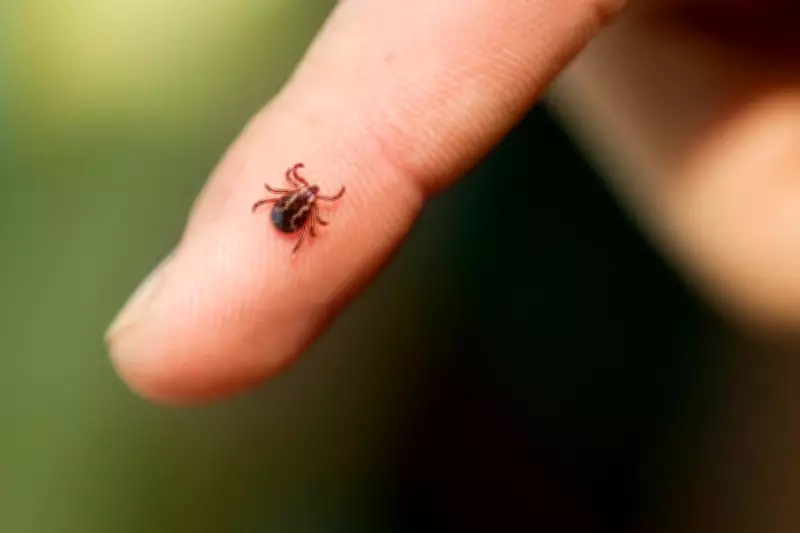
Spring's warmer weather is drawing people outdoors, increasing the risk of tick bites that can lead to Lyme disease. The 2026 tick season is already surging, with the Centers for Disease Control and Prevention warning on April 23 that emergency room visits for tick bites have reached their highest level since 2017. This could signal a particularly severe season for Lyme disease and other tick-borne illnesses.
Lyme Disease Cases on the Rise
State health departments reported over 89,000 Lyme disease cases in 2023, the most recent year with complete data. However, public health experts estimate that nearly 500,000 people in the U.S. contract Lyme disease annually. As an infectious disease doctor who treats long-term outcomes of this infection, I know Lyme disease can be tricky because people often miss tick bites and overlook early symptoms. Left untreated, it can cause serious, lingering, or even permanent health issues.
What Causes Lyme Disease?
Lyme disease, named after the Connecticut town where it was first identified in 1975, is caused by Borrelia bacteria, most commonly Borrelia burgdorferi. Deer ticks, also known as black-legged ticks (Ixodes), transmit the disease after feeding on infected animals like birds, mice, or deer. When they bite a person, they can transfer the bacteria into the bloodstream. Typically, the tick must remain attached for 24–48 hours to transmit the bacteria.

Where and When Does Lyme Disease Occur?
Lyme disease can occur in most regions where deer ticks live. These ticks are most active from late spring to fall, usually April to November, emerging when temperatures rise above freezing. In years with shorter winters, ticks appear earlier, and they may remain active year-round in areas with rare freezing temperatures. About 90% of U.S. cases come from the Northeast, mid-Atlantic (from Virginia to eastern Canada), and Upper Midwest (Wisconsin, Michigan, Minnesota). Occasional cases appear in California, Oregon, and Washington.
Since 1995, Lyme disease incidence in the U.S. has nearly doubled. Warmer weather and changing rainfall patterns allow ticks to survive in new regions and for longer periods. Even in established areas, Lyme disease has become more common due to rising deer populations. As woodland areas are developed, deer and mouse habitats move closer to people, increasing transmission risk.
Lyme Disease Symptoms to Watch For
Early symptoms—fever, muscle aches, and fatigue—typically appear within 3–30 days after a tick bite. A classic sign in the first month is a target or bull's-eye rash at the bite site, occurring in about 70–80% of cases. Other rashes may result from bite irritation rather than infection. If you know you've had a tick bite and experience flu-like symptoms, or if you see a bull's-eye rash (even without known bite), consult your healthcare provider about antibiotic treatment.
A blood test for antibodies can confirm infection but may yield false negatives, especially in the first two weeks. In most people, the rash resolves on its own, but treatment can shorten its duration and prevent other symptoms. A 2–4 week course of antibiotics generally treats Lyme disease; severe cases may require intravenous antibiotics.
A promising new Lyme disease vaccine is being tested. In March 2026, Pfizer announced that in a late-stage study, the vaccine prevented disease in 70% of recipients.
Later Lyme Symptoms
If untreated, the bacteria can spread, causing longer-term issues. About 60% of untreated Lyme disease patients develop arthritis. In rare cases, it can affect the heart and nervous system, causing brain inflammation, headaches, neck pain, balance issues, memory changes, or nerve damage leading to numbness, tingling, and muscle weakness. These symptoms may appear immediately or months to years after infection. In late-stage cases, symptoms can persist even after antibiotics kill the bacteria.
Scientists are still studying why. One study found that bacterial cell wall particles can leak into joints and persist, spurring inflammation and arthritis. Lyme disease can also trigger autoimmune reactions. Because the nervous system is sensitive to bacterial damage and inflammation, healing may take a long time, and some damage may be permanent.

Preventing Lyme Disease
Until a vaccine is widely available, take these steps to protect yourself and your family:
- Use tick repellents like DEET and picaridin on skin, and permethrin on clothing (which withstands several washes).
- Wear long-sleeved shirts and pants when gardening, hiking, or walking through grass or woods. Light-colored clothes make ticks more visible. Tuck pants into socks to prevent ticks from reaching your skin.
- Remove outdoor clothes immediately. Wash and dry them at high heat to kill any ticks. Shower soon after being outdoors to wash off unattached ticks.
- Perform daily tick checks, focusing on warm areas like armpits, neck, ears, and underwear line. If you find an attached tick, remove it with tweezers held perpendicular to the skin.
- If a tick may have been attached for over 36 hours, ask your healthcare provider about preventive antibiotics, ideally given within 72 hours of the bite.
Lakshmi Chauhan is an Associate Professor of Infectious Disease Medicine at the University of Colorado Anschutz Medical Campus. This article was first published by The Conversation and is republished under a Creative Commons licence. Read the original article.