
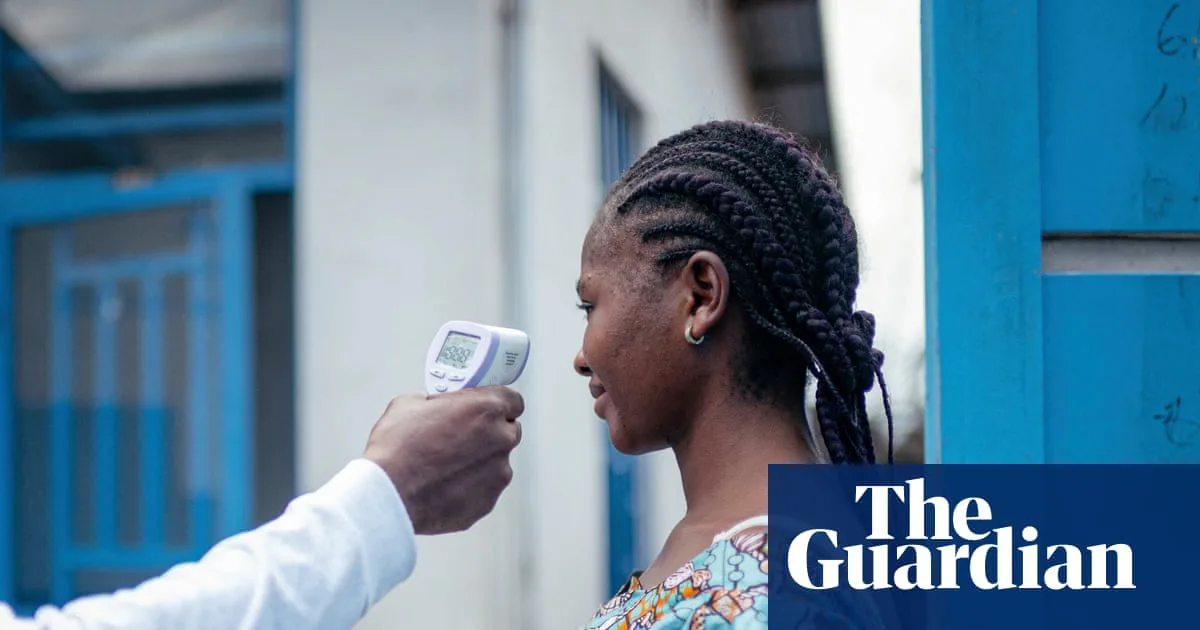
The World Health Organization has declared an Ebola outbreak in the Democratic Republic of the Congo and Uganda a public health emergency of international concern, following 88 deaths and more than 300 suspected cases linked to the Bundibugyo virus.
The declaration was made on Sunday by Dr Tedros Adhanom Ghebreyesus, the WHO director general, before convening a formal emergency committee. Experts said the speed reflected the gravity of the situation. The outbreak has prompted Africa's top health official, Dr Jean Kaseya of the Africa Centres for Disease Control and Prevention, to say he was "on panic mode", noting the lack of medicines and vaccines.
The Bundibugyo virus is one of three strains that cause Ebola virus disease and is the least common. There are no approved vaccines or treatments for this strain, nor specific tests. Ebola spreads through bodily fluids and has a high fatality rate, particularly in low-resourced settings. The WHO said there were significant uncertainties about the true number of infected people and geographic spread, with signs pointing to a potentially much larger outbreak.
In the DRC's Ituri province, there have been 80 suspected deaths, eight laboratory-confirmed cases and 246 suspected cases. Uganda has reported two cases, including one death, in Kampala, in people who travelled from the DRC. A suspected case in Kinshasa tested negative for the virus. The US Centers for Disease Control and Prevention said it was supporting the safe withdrawal of a small number of Americans affected and had activated its emergency response centre.




