

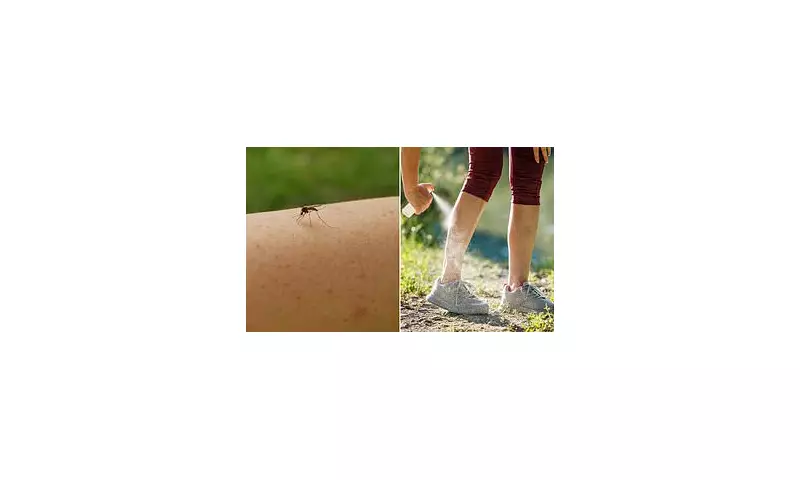
Health authorities in New South Wales have issued an urgent public health alert following the concerningly early detection of two dangerous mosquito-borne viruses in the community this season.
Early Virus Detection Raises Alarm
The first discovery of Japanese Encephalitis (JE) virus in mosquitoes for the 2025-2026 season was confirmed last week. Samples were collected from the Horsham Rural City Council region in Victoria, marking the virus's first appearance in Australia this season. Simultaneously, the Kunjin virus was identified in western NSW at Cowra, detected through a sentinel chicken blood sample on 20 November 2025.
Dr Stephen Conaty, NSW Health's Director of Health Protection, stated that these detections so early in the warm season are a significant concern. "Mosquito numbers will likely increase with warmer weather," Dr Conaty warned. He emphasised the need for all NSW residents to take proactive steps to guard against bites, which can transmit diseases including Japanese Encephalitis, Murray Valley Encephalitis, Kunjin virus, Ross River virus, and Barmah Forest virus.

High-Risk Areas and Free Vaccine Rollout
The situation has led NSW Health to designate 60 Local Government Areas (LGAs) as being at higher risk for Japanese Encephalitis. Residents and travellers in these regions are advised to be especially vigilant and to consider vaccination.
"There is a safe, effective and free vaccine for Japanese Encephalitis," Dr Conaty confirmed. The vaccine is available at no cost to individuals living or routinely working in the 60 LGAs west of the dividing range and in northern NSW, as well as for those in certain high-risk occupations. It can be accessed through General Practitioners, Aboriginal health services, and pharmacists.
Eligible people are encouraged to book an appointment in advance, informing the provider the jab is for JE. A consultation fee may apply. A booster dose may be advised one to two years after the initial course for those with ongoing exposure risk. Notably, there are no specific vaccines or treatments for Kunjin virus or other mosquito-borne diseases in Australia.
Public Response and Health Recommendations
The warning from NSW Health quickly garnered hundreds of responses from concerned citizens online. One person commented on the "really important message for the warmer months," while another declared, "I'm buying all the mosquito coils and DEET spray I can find."
Authorities are collaborating with local councils to treat mosquito breeding sites, focusing on mitigating the JE virus threat. While most infections are asymptomatic or mild, severe cases can lead to serious brain inflammation (encephalitis), permanent neurological damage, or death. Symptoms, which can emerge up to two weeks after a bite, include fever, headache, and vomiting, escalating to confusion, seizures, and paralysis in critical instances.
The virus is transmitted solely via mosquitoes and cannot spread between people. Australia has recorded at least 15 JE fatalities, including two in NSW earlier this year. Prior to a major 2022 outbreak that spread to multiple states via domestic pigs, JE cases were largely confined to northern Australia.
NSW Health's key recommendations to prevent mosquito bites include:

- Applying repellent containing DEET, picaridin, or oil of lemon eucalyptus to exposed skin. Reapply regularly, especially after swimming. Apply sunscreen first.
- Wearing light, loose-fitting long-sleeved shirts, long pants, socks, and covered shoes.
- Avoiding outdoor activity during peak mosquito times at dawn and dusk.
- Using insecticide sprays, vapour units, and mosquito coils (coils outdoors only).
- Installing insect screens on windows and doors and removing water-holding debris from around homes to eliminate breeding sites.
- Using repellents safe for children (most are suitable from three months) and protecting infants under three months with netted carriers.
- Using tents with fly screens or mosquito nets while camping.





