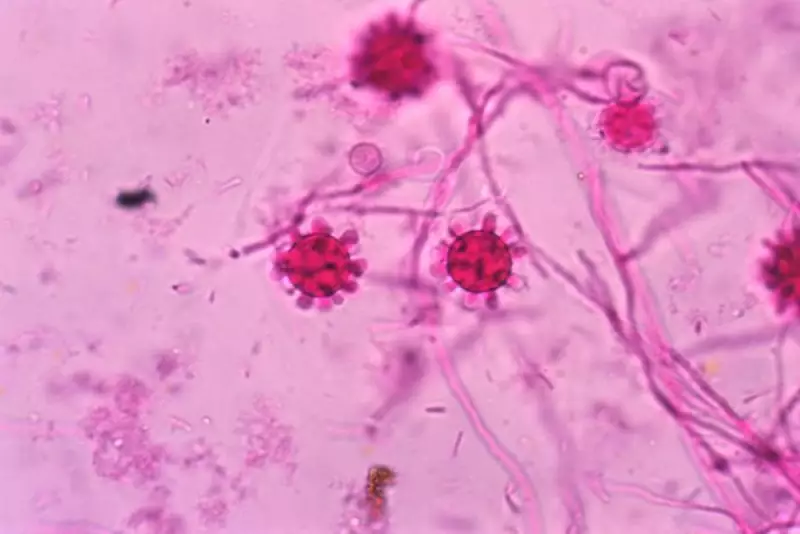
Tennessee Fungal Outbreak Claims Life as Health Officials Race to Contain Infections
A concerning outbreak of a rare fungal disease in Tennessee has resulted in one confirmed death and left dozens of people sick, prompting urgent public health action. Health officials are working diligently to contain the spread of Histoplasmosis, an infection caused by the Histoplasma Capsulatum fungus, which poses particular risks to vulnerable populations.
Rising Case Numbers Across Two Counties
According to the Tennessee Department of Health, at least 35 individuals across the neighbouring Maury and Williamson Counties have been diagnosed with Histoplasmosis infections since the outbreak was first officially confirmed in December 2025. The department's initial statement indicated 18 confirmed cases dating back to September 2025, but figures obtained by The New York Times reveal that this number has continued to climb steadily.
The outbreak has already claimed one life, with Amity Brown alleging to The New York Times that her sister, Alyssia, died from the infection. Brown believes her sister was exposed while driving through areas with significant construction activity, as the disease typically spreads through inhalation of soil contaminated with bird and bat droppings that become airborne during excavation work.

Diagnostic Challenges and Key Symptoms
Histoplasmosis presents significant diagnostic challenges for medical professionals, as there is currently no vaccine available and the disease often goes undetected until later stages due to symptoms that closely mimic other common illnesses. According to the Mayo Clinic, key symptoms that typically accompany an infection include:
- Fever and chills
- Headache and muscle aches
- Dry cough and chest pain
- Persistent tiredness and fatigue
Kimberly Shelton, Alyssia's friend and roommate, revealed to Fox 17 that the victim's symptoms began subtly with a mild cough that persisted for an extended period. "After we moved into this house in like October, she started developing a little bit of a cough," Shelton explained. "It really didn't seem like very much at first, it was just a cough that lasted for a long time."
Family's Struggle for Diagnosis and Treatment
Alyssia's mother, Gwendolyn, recounted how she became the first person to suspect her daughter might have been infected after reading the symptom list aloud. "She goes, 'Mom, that's literally every single symptom that I have,'" Gwendolyn told Fox 17. Despite this realisation, Alyssia initially received treatment for bronchitis when taken to the emergency room, with her condition continuing to deteriorate.
Shelton described the family's frustration in convincing medical professionals to test for Histoplasmosis: "When we went in, they didn't even want to test her. I had to tell them like, 'there's this thing going around, can you please just test her for it?'" The test was eventually conducted on December 13, but Alyssia died just two days later. Results confirming the Histoplasma Capsulatum infection came back on December 18, with the family still awaiting autopsy confirmation regarding whether the fungus directly caused her death.
Risk Factors and Protective Measures
While most Histoplasmosis cases are not fatal and can even be asymptomatic, medical experts emphasise the importance of prompt attention for those who believe they may have been exposed. Dr Zaid Fadul, CEO of Bespoke Concierge MD in California, told Fox News Digital that individuals with compromised immune systems face the greatest risk from this fungal infection.
Dr Fadul also noted that people who regularly work outdoors or in dusty environments may be more susceptible to contracting the disease. "It is very healthy to be outside," he advised, "but if it is dusty or you will be outside for a prolonged time, you should be wearing some kind of mask to limit any spores you might breathe in." This precautionary measure could prove crucial in preventing further infections as health authorities continue their containment efforts across affected Tennessee communities.