Nipah Virus Outbreak in West Bengal: India's Urgent Containment Response
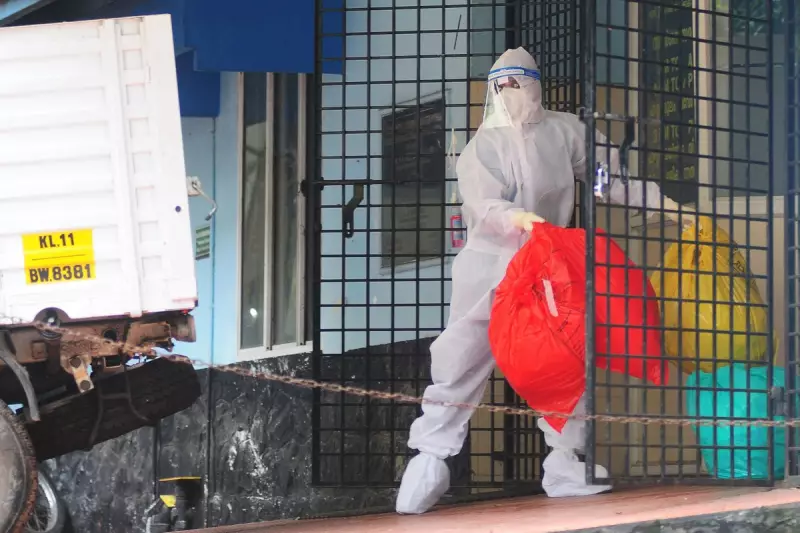
Health authorities in India are mobilising rapidly to contain a concerning outbreak of the deadly Nipah virus in the eastern state of West Bengal. The situation has escalated with five confirmed cases reported, including infections among healthcare professionals such as doctors and nurses who were exposed while treating patients.
According to local media reports, nearly 100 individuals have been instructed to quarantine at home as a precautionary measure. Infected patients are currently receiving treatment in hospitals in and around Kolkata, the state capital, with at least one patient reported to be in a critical condition.
Understanding the Nipah Virus: A High-Risk Pathogen
The Nipah virus represents a significant global health threat, classified by the World Health Organization as a high-risk pathogen with no approved vaccine or specific cure available. This zoonotic virus, which can jump from animals to humans, has caused periodic outbreaks across South Asia since its initial identification.

Human infections remain relatively rare but typically occur when the virus spills over from its natural reservoir – fruit bats – often through contaminated food sources. The current West Bengal outbreak has prompted renewed attention to this dangerous pathogen and its potential consequences.
Recognising Nipah Virus Symptoms: From Flu-Like Signs to Neurological Complications
Early detection of Nipah virus infection presents considerable challenges because initial symptoms are often non-specific. According to guidance from the US Centers for Disease Control and Prevention, the incubation period typically ranges from four to 21 days, though longer delays have been documented in rare instances during previous outbreaks.
Patients usually develop a sudden flu-like illness characterised by:
- Fever and headaches
- Muscle pain and general fatigue
- Respiratory symptoms including cough and shortness of breath
- Potential development of pneumonia
The most serious complication emerges as encephalitis – inflammation of the brain – which typically develops several days to weeks after initial symptoms appear. Neurological manifestations may include:
- Confusion and altered consciousness
- Seizures or convulsions
- Potential progression to coma
- Some patients may develop meningitis
Mortality Rates and Long-Term Effects of Nipah Infection
Nipah virus carries a disturbingly high fatality rate, with reported mortality levels ranging between 40 and 75 percent depending on the specific outbreak and viral strain involved. Survivors frequently experience long-term neurological consequences that can persist long after the acute infection has resolved.
According to updates from the UK Health Security Agency, these may include:
- Persistent seizure disorders
- Personality changes and cognitive impairment
- In rare cases, recurrence of encephalitis months or years after initial infection
Transmission Pathways: From Bats to Human-to-Human Spread
The World Health Organization confirms that Nipah virus is a zoonotic pathogen capable of multiple transmission routes. The primary natural carriers are fruit bats (Pteropus species), with human infection occurring through:
Direct animal contact: Exposure to infected bats or other animals
Contaminated food: Consuming products contaminated with bat saliva, urine or faeces
Human-to-human transmission: Particularly through close contact with bodily fluids of infected individuals
This last transmission route has been documented among family members and healthcare workers caring for infected patients, highlighting the importance of strict infection control measures during outbreaks.

Historical Context: From Malaysia to South Asia
Nipah virus was first identified in 1999 following an outbreak of encephalitis and respiratory illness among pig farmers in Malaysia and Singapore. This initial episode established NiV as a serious zoonotic pathogen capable of crossing from animals to humans with devastating consequences.
Since that initial identification, repeated outbreaks have been recorded across South Asia:
- Bangladesh has experienced outbreaks almost annually since 2001
- Northeast India has reported multiple cases over the years
- Kerala in southern India recorded its first outbreak in 2018 with sporadic cases since
- Infections have also been reported in the Philippines
Scientific research has identified fruit bats as the natural reservoir, with the virus detected in bat populations across Asia and parts of Africa. Despite this wide animal distribution, confirmed human outbreaks have remained concentrated in South and Southeast Asia, typically occurring in rural or semi-rural settings where contact between humans, bats and domestic animals is more frequent.
Treatment Options and Prevention Strategies
Currently, there is no proven targeted treatment for Nipah virus infection and no approved vaccine for prevention. Patient care remains largely supportive, focusing on managing symptoms and complications as they develop. The virus is listed by WHO as a priority pathogen under its Research and Development Blueprint, highlighting the urgent need for therapeutic advances.
With no vaccine available, prevention relies on awareness and protective measures:
Preventing bat-to-human transmission:
Avoid consuming raw date palm sap or fruits potentially contaminated by bats. Boiling fresh date palm juice and thoroughly washing or peeling fruits can reduce risk. Any fruit showing signs of bat bites should be discarded immediately.
Preventing animal-to-human transmission:
Those handling sick animals or their tissues should wear appropriate protective equipment including gloves. Contact with infected pigs should be minimised, and pig farms in areas with fruit bats should implement measures to protect feed and enclosures from bat contamination.
Preventing human-to-human transmission:
Avoid close, unprotected contact with people infected with Nipah virus. Regular hand washing after caring for or visiting sick individuals is essential to interrupt transmission chains.
Cultural Impact: Nipah Virus in Popular Media
The 2011 film Contagion, which depicts a rapidly spreading global pandemic, drew partial inspiration from real-life pathogens including the Nipah virus. According to global health organisation Path, filmmakers used Nipah as a model for how a zoonotic virus could trigger a pandemic scenario, incorporating its high fatality rate, outbreak potential, and lack of vaccine into the film's realistic crisis narrative.
As India continues its containment efforts in West Bengal, global health authorities monitor the situation closely, recognising that outbreaks of pathogens like Nipah virus require swift, coordinated responses to prevent wider spread and protect vulnerable populations.