Nipah Virus Outbreak Prompts Extensive Bat Testing at Kolkata Zoo and Asian Travel Restrictions
Health authorities in India are conducting urgent testing on bats at Kolkata's historic Alipore Zoo as part of efforts to contain a deadly Nipah virus outbreak that has infected five people in West Bengal. The situation has triggered alarm across Asia, with multiple nations implementing Covid-style screening measures at airports and border crossings.
Comprehensive Surveillance Operation Underway
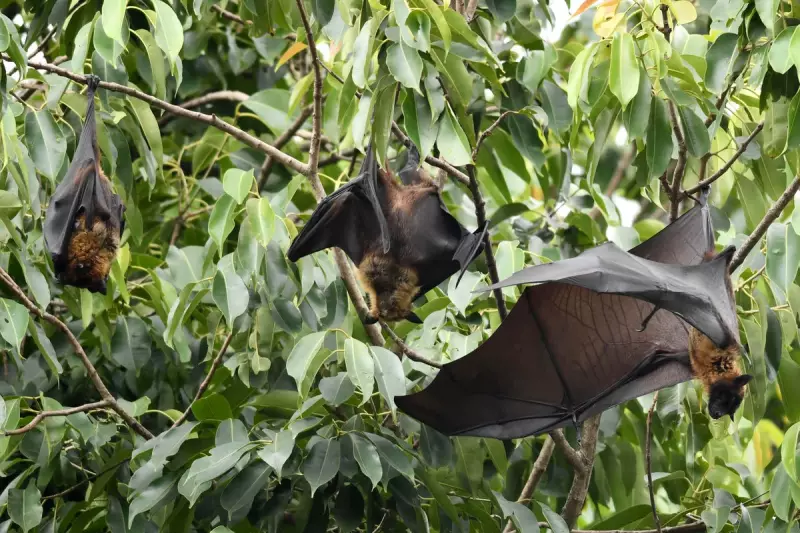
State officials confirmed that reverse transcription polymerase chain reaction (RT-PCR) tests are being performed on bats at Alipore Zoo and several other locations across West Bengal. According to a senior official from the State Forest Department, medical researchers collected blood and swab samples from bats at the zoo over two days last week.
Alipore Zoo was specifically targeted for testing because it represents Kolkata's only facility housing bats in captivity. Zoo director Tripti Sah emphasized that all sampling procedures followed established safety protocols, stating: "The team collected swab samples from the bats and followed all procedures during the process."

Multi-Agency Response to Deadly Pathogen
The surveillance operation represents a coordinated effort involving India's National Institute of Virology and the Indian Council of Medical Research, operating under State Health Department supervision with logistical support from the Forest Department. West Bengal's chief wildlife warden, Sandeep Sundriyal, confirmed that all necessary permissions had been obtained before sampling began.
"Catching bats require prior permission from the Forest Department. The Health Department sought approval, which we granted," Mr Sundriyal explained. "Expert teams are visiting areas where bats are present across the State and collecting samples. The same process was followed at Alipore Zoo."
Outbreak Details and Regional Impact
The Nipah virus outbreak was first detected earlier this month when two nursing staff members at a private hospital in Barasat, approximately 24 kilometers from Kolkata, tested positive. Three additional cases were subsequently identified in Purba Bardhaman district, about 100 kilometers from the state capital, involving a doctor, a nurse, and another health worker.
Nipah virus represents a particularly concerning zoonotic pathogen transmitted by fruit bats. Classified as a notifiable disease in India requiring immediate reporting to central authorities, the virus carries significant mortality risk with no available vaccine or cure. The World Health Organization categorizes Nipah as a high-risk pathogen of international concern.
Asian Nations Implement Preventive Measures
The outbreak has prompted immediate responses from neighboring countries concerned about potential cross-border transmission. Thailand's Ministry of Public Health has activated enhanced screening procedures at major airports including Suvarnabhumi and Don Mueang, specifically targeting passengers arriving from West Bengal using techniques perfected during the Covid-19 pandemic.
Nepal has similarly raised alert levels and intensified health checks at Tribhuvan International Airport in Kathmandu, along with key land border crossings with India. Meanwhile, health authorities in Taiwan are preparing to designate Nipah virus infection as a Category 5 notifiable disease, representing the highest classification for serious emerging infections under local legislation.
Historical Context and Public Reassurance
Established in 1875, Alipore Zoo holds distinction as India's oldest public zoo and attracts millions of visitors annually. Officials have stressed there is no immediate cause for public concern regarding zoo operations, noting that comprehensive precautionary measures have been implemented throughout the facility.
Testing operations are currently focused on bats in multiple regions including Madhyamgram, Barasat, Basirhat, and Kolkata as authorities work to identify potential transmission sources and prevent further spread of the deadly virus.