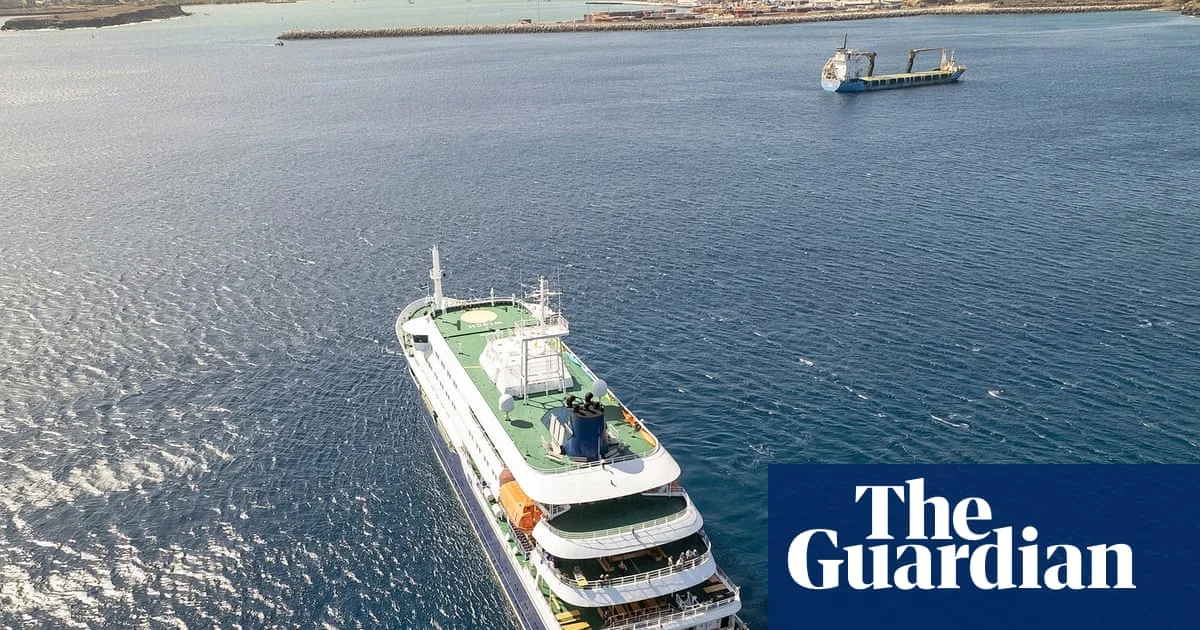
A deadly hantavirus outbreak that has wreaked havoc aboard a luxury cruise ship and left three people dead is believed to have originated in an Argentinian town known as 'the end of the world.' Officials and experts in Argentina have been scrambling to determine where infected passengers visited before boarding the Dutch-flagged MV Hondius in Ushuaia, Tierra del Fuego, located at the southernmost tip of South America, earning it the nickname 'El Fin del Mundo' (The End of the World).
Origin of the Outbreak
The Argentine government's leading hypothesis is that a Dutch couple who died contracted the virus during a bird-watching outing at a garbage dump in Ushuaia, according to two investigators who spoke on condition of anonymity. The province of Tierra del Fuego, where the vessel docked for weeks before departing, has never seen a case of hantavirus. Before boarding, the Dutch couple went sightseeing in Ushuaia and travelled elsewhere in Argentina and Chile, the World Health Organization said.
Ushuaia: A Popular Tourist Destination
The town of Ushuaia is the primary departure point for voyages to Antarctica, making it a popular adventure tourism destination. Holidaymakers can enjoy breathtaking cruises along the Beagle Channel, hiking in Tierra del Fuego National Park, skiing at Cerro Castor, and unique wildlife spotting, including penguins and sea lions. Authorities are also tracing the Dutch tourists' footsteps through the forested hillsides of Patagonia in southern Argentina, where some infections are clustered.
Timeline of Deaths
The WHO reported the first death on board, a 70-year-old Dutch man, occurred on April 11. His 69-year-old wife, also Dutch, died on April 26. The third passenger, a German woman, died on May 2. The virus can incubate for between one and eight weeks, making it difficult for health authorities to know whether the passengers contracted the virus before leaving Argentina for Antarctica on April 1; during a scheduled stop to a remote South Atlantic island; or aboard the ship.
Climate Change and Hantavirus Spread
The health emergency aboard the cruise, currently moored off the coast of Cape Verde, comes as Argentina sees a surge of hantavirus cases that many local public health researchers attribute to the recently accelerating effects of climate change. Argentina is consistently ranked by the WHO as having the highest incidence of the rare, rodent-borne disease in Latin America. Higher temperatures expand the virus's range because, as it gets warmer and ecosystems change, rodents that carry the hantavirus can thrive in more places, experts say. People typically contract the virus from exposure to rodent droppings, urine or saliva.
'Argentina has become more tropical because of climate change, and that has brought disruptions, like dengue and yellow fever, but also new tropical plants that produce seeds for mice to proliferate,' said Hugo Pizzi, a prominent Argentine infectious disease specialist. 'There is no doubt that as time goes by, the hantavirus is spreading more and more.'
Current Situation
The Argentine Health Ministry on Tuesday reported 101 hantavirus infections since June 2025, roughly double the caseload recorded over the same period the previous year. A hantavirus found in South America, called the Andes virus, can cause a severe and often fatal lung disease called hantavirus pulmonary syndrome. The disease led to death in nearly a third of cases in the last year, Argentina's Health Ministry said, up from an average mortality rate of 15% in the five years before that.
Hantavirus usually spreads by inhaling contaminated rodent droppings and can spread person-to-person, though that is rare, according to the WHO, whose top epidemic expert said the risk to the public is low. The Andes strain of hantavirus is known to spread from human to human. Argentina on Wednesday said it was sending genetic material from the Andes virus and testing equipment to help Spain, Senegal, South Africa, the Netherlands and the United Kingdom detect it.
Geographic Shift
Although hantavirus cases once were limited to the southern reaches of Patagonia, now 83% of cases are found in Argentina's far north, according to the Health Ministry. The ministry issued an alert in January about several fatal outbreaks, including in the most populous province of Buenos Aires.
Ship's Journey and Evacuations
The cruise departed Cape Verde last night with nearly 150 people on board and headed to Spain's Canary Islands. Meanwhile, three patients were evacuated from the ship on Wednesday, with footage showing health workers in protective gear evacuating three patients. Two arrived at Amsterdam's airport yesterday evening and were taken to separate hospitals. Three people have died, and one body remained on the ship, the WHO said. Of eight recorded cases, five were confirmed by laboratory testing.
Health officials said passengers and crew members still on the ship were without symptoms. Their journey to the Canary Islands will take three or four days, Spain's health ministry said, adding that their arrival 'won't represent any risk for the public.' Still, the Canary Islands regional president, Fernando Clavijo, said he worried about the risk to the public and demanded a meeting with Prime Minister Pedro Sánchez.