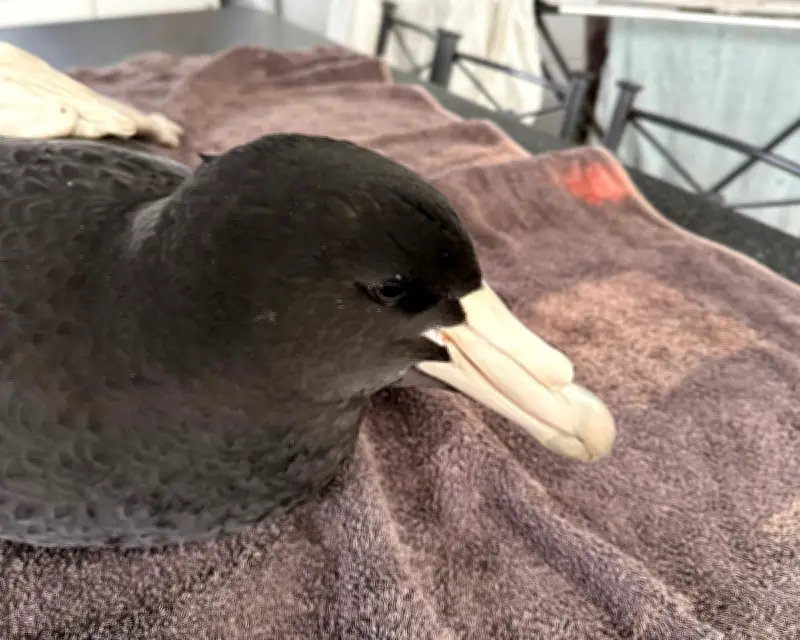
Two wild birds found sick on beaches in Western Australia have tested positive for the H5N1 strain of avian influenza, marking the first time the virus has reached Australia. The cases have prompted heightened surveillance and concern among wildlife experts and government agencies.
First Cases of H5N1 in Australia
On Monday, it was confirmed that a giant petrel had tested positive for H5N1, two days after a brown skua was also confirmed with the virus. Both birds were discovered a few kilometres apart on Western Australia's southern coastline and have since died. Until now, Australia was the only continent that had not been reached by the virus, which has killed millions of birds and mammals worldwide since 2021.
Australia's chief veterinary officer, Dr Beth Cookson, stated that there is no evidence the infections have spread to other birds. However, the cases have put experts and government agencies on high alert.
Unusual Landfall Raises Concerns
Brown skuas and giant petrels are pelagic species that rarely venture onto land, typically foraging at sea. Their presence on beaches is a sign of illness. Dr Lauren Roman, a seabird researcher at the University of Tasmania's Institute for Marine and Antarctic Studies, noted that biosecurity efforts had focused on the northern hemisphere, where the disease first emerged. "We had been warned about the arrival of migratory shorebirds and seabirds and that the virus could come in with them," she said.
Both species breed in Antarctica during the summer and migrate north during winter. They are scavengers, which is thought to be a possible route of infection. Simon Gorta, a researcher at the University of New South Wales, explained that skuas have been implicated in the spread of the disease, but it is not inherently their fault.
Potential for Wider Outbreak
Nearly 60 reports of sick and dead birds in Western Australia were made to a national hotline over the weekend. Dale Wright, acting director of conservation science at BirdLife Australia, warned that other infected birds could arrive on Australian shores. If a sick bird dies on land, it could be scavenged by gulls and other birds, potentially spreading the disease further.
Scientists recently revealed that more than 13,000 seal pups died from H5N1 between October last year and January, along with penguins and petrels. Experts fear devastating consequences for Australian wildlife and the poultry industry if the virus establishes a foothold.
Members of the public who find sick or dead birds or marine mammals are advised not to handle them, but to take photos or videos and call the Emergency Animal Disease Hotline on 1800 675 888.